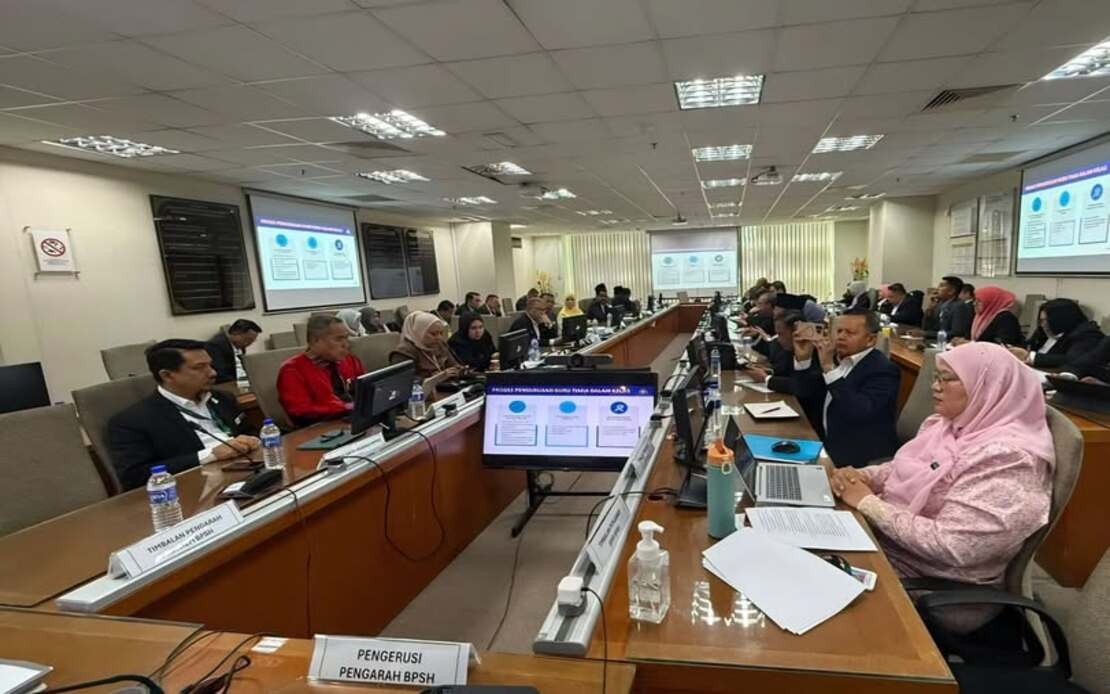
Malaysia's newly introduced School Pupil Protection Policy represents an attempt to create a comprehensive safety ecosystem for schoolchildren rather than placing the entire burden of protection on classroom educators, according to Education Minister Fadhlina Sidek. Speaking on the policy's implementation, Fadhlina clarified that the framework is designed to outline clear responsibilities for multiple stakeholders involved in safeguarding students' physical and emotional wellbeing, moving away from a model where teachers alone bear accountability for student safety.
The policy establishes structured protocols that guide how various parties should respond when concerns about pupil safety emerge. Rather than expecting teachers to investigate matters independently or accumulate conclusive evidence before raising alarms, the framework encourages immediate reporting to school administrators upon receiving complaints or developing reasonable suspicions. This approach recognises that teachers occupy a frontline position in identifying at-risk students but acknowledges that response and investigation require specialists with appropriate training and legal authority.
Fadhlina emphasised that teachers are not expected to remain passive observers of potential threats to student welfare. Instead, the policy redefines their role as responsible reporters within a larger institutional apparatus. The threshold for reporting has been deliberately lowered to ensure that even preliminary concerns trigger appropriate responses, preventing cases from slipping through administrative cracks due to incomplete information. By removing the expectation that teachers must independently verify incidents before escalating them, the policy aims to accelerate intervention and reduce harm.
The Ministry of Education recognises that clarifying these roles requires sustained engagement beyond simply distributing policy documents. Accordingly, the ministry has scheduled intensive briefing sessions and workshops with key stakeholders to ensure educators fully understand their responsibilities and the limits of their authority. These sessions have already involved collaboration with the National Union of the Teaching Profession, the Human Rights Commission of Malaysia, the United Nations Children's Fund, and various civil society organisations working on child protection issues. This multi-stakeholder approach reflects acknowledgment that policy implementation requires buy-in from diverse constituencies.
The protective ecosystem outlined in the policy extends far beyond individual schools. Once a report is filed, the coordination mechanism involves the Ministry of Education, State Education Departments, District Education Offices, and external agencies including the Royal Malaysia Police and Social Welfare Department. This distributed network ensures that different types of concerns receive appropriate specialist attention—whether they involve potential abuse, neglect, mental health crises, or other threats to wellbeing. By routing cases through coordinated channels rather than leaving teachers to manage situations alone, the framework aims to prevent students from enduring repeated trauma through mishandled or fragmented responses.
A critical advantage of this systemic approach lies in its capacity to match response intensity to incident severity. Not every concern requires police involvement, nor should every case be treated identically. The coordination mechanism allows trained administrators and specialists to assess each situation's nature and gravity before determining whether referral to law enforcement, welfare agencies, or counselling services is warranted. This proportionality helps prevent both under-response to serious threats and over-criminalisation of situations better addressed through support services.
Fadhlina acknowledged that anxiety among educators about their legal exposure and professional standing under the new policy reflects legitimate concerns about institutional support. Teachers understandably worry about potential liability, false accusations, or becoming scapegoats for systemic failures. To address these concerns, the ministry has committed to providing legal assistance where appropriate and ensuring that the policy's intent is clarifying responsibilities rather than finding fault with educators. This assurance represents recognition that teacher cooperation is essential to the policy's success and that educators require confidence in institutional protection before they will confidently report concerns.
The minister also recognised that a single policy document cannot address every possible scenario teachers might encounter. Classroom situations involving potential child safety issues often present ambiguously, with conflicting information and unclear best practices. Recognising this reality, the ministry has committed to ongoing engagement sessions that go beyond initial policy rollout. These continuing conversations should help teachers develop confidence in their judgment, understand where institutional support begins, and feel equipped to make reporting decisions even when circumstances are murky. This iterative approach acknowledges that policy implementation is a process rather than a discrete event.
For Malaysia's education system and regional peers grappling with similar child protection challenges, this policy reflects evolving international standards emphasising coordinated responses over individual professional accountability. Countries across Southeast Asia have increasingly recognised that child safety requires institutional infrastructure rather than depending on individual teachers' expertise in recognising and responding to abuse or welfare concerns. By distributing responsibility across schools, police, social services, and child protection specialists, Malaysia's approach aligns with evidence-based practices developed through decades of child welfare experience globally.
The policy also reflects growing recognition that teacher education programmes cannot be expected to comprehensively prepare educators for complex child protection decisions. While teachers require awareness training, the detailed assessment and investigation of child welfare concerns require specialists with dedicated training and legal authority. This realistic acknowledgment of professional boundaries reduces the risk that teachers will either miss warning signs due to inadequate expertise or inappropriately intervene in matters requiring professional investigation. Instead, teachers serve as informed observers who communicate concerns to appropriate authorities.
Implementation challenges remain substantial. Teachers in Malaysian schools operate under considerable time pressures and often lack administrative support, potentially complicating their ability to report concerns even when they recognise them. Building trust between educators and enforcement agencies requires overcoming historical tensions and establishing clear protocols demonstrating that good-faith reports will be taken seriously rather than triggering blame-focused investigations. State Education Departments and District Education Offices will need adequate resources to coordinate cases effectively, ensuring that reports trigger timely responses rather than disappearing into bureaucratic channels.
For parents and student advocacy groups monitoring these developments, the policy's success ultimately depends on whether it translates from administrative framework into practical protection for vulnerable students. Strong policies on paper mean little if teachers remain too fearful or unsupported to report concerns, if coordination mechanisms fail to function smoothly across agencies, or if external specialists lack resources to investigate reports effectively. The ministry's commitment to ongoing engagement and support systems suggests awareness of these implementation complexities, though sustained commitment and resource allocation will determine whether the policy achieves its protective goals in Malaysian classrooms.

