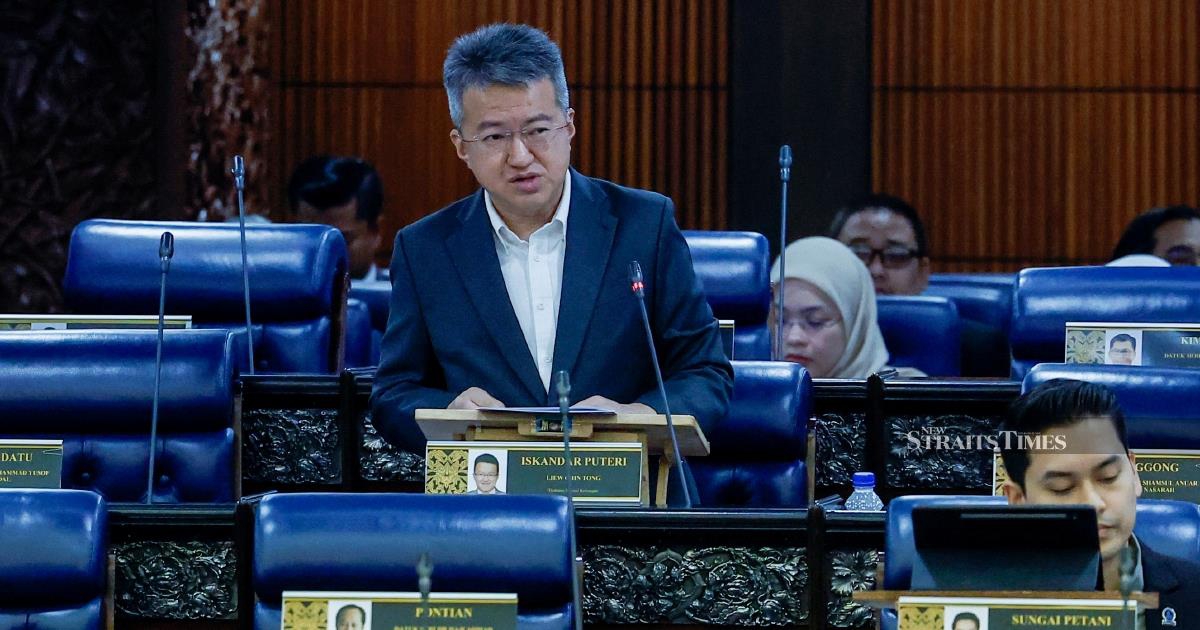
Parliament has enacted new legislation designed to prevent a repeat of the controversial RM5 billion withdrawal from Kumpulan Wang Amanah Negara (KWAN) that occurred in 2021, establishing stricter parliamentary oversight mechanisms for the sovereign wealth fund. The freshly passed Bill addresses significant shortcomings in the existing regulatory framework that previously permitted such a large-scale drawdown without legislative scrutiny, a gap that reformers and financial watchdogs had flagged as problematic for public fund management.
The 2021 withdrawal served as a watershed moment in Malaysian public finance governance, exposing vulnerabilities in how the nation's investment reserves could be accessed. At that time, institutional safeguards were insufficient to block the transaction, despite mounting concerns from transparency advocates about the appropriateness of mobilising such substantial reserves without parliamentary debate. The incident revealed that KWAN's structural governance arrangements lacked mandatory democratic accountability mechanisms that most financial institutions consider essential, particularly when dealing with national assets.
Under the newly enacted legislation, no withdrawal from KWAN can proceed without securing explicit parliamentary approval through a Dewan Rakyat resolution. This represents a fundamental shift in how the fund operates, transforming it from an institution with considerable autonomy into one subject to legislative oversight at every significant financial decision point. The requirement for legislative authorisation establishes a formal checkpoint that must be satisfied before any future liquidity needs or asset reallocation can be authorised, whether such needs arise from national development priorities or economic emergencies.
The tighter control structure responds to broader regional and global trends in sovereign wealth fund governance, where institutional transparency and parliamentary accountability have become increasingly standard practice. Many comparable Asian investment vehicles now operate under similar restrictions, requiring legislative approval for major transactions. Malaysia's reform brings KWAN's governance standards into alignment with international best practices and responds to domestic calls for stronger guardrails around public asset management.
For Malaysian investors and citizens, the legislative change provides reassurance that the country's strategic reserve mechanisms operate under democratic scrutiny. The 2021 episode had generated considerable public discussion about who ultimately controls national savings and whether such large reserves can be deployed without public representatives having an opportunity to weigh in on deployment decisions. The new framework directly addresses these concerns by institutionalising parliamentary involvement.
The implementation of mandatory parliamentary review creates practical implications for how government ministries and agencies may request fund access in future circumstances. Officials seeking to withdraw KWAN resources must now prepare legislative proposals that withstand parliamentary examination, effectively raising the threshold for such applications. This requirement forces proponents of any withdrawal to build a compelling policy case and anticipate parliamentary questions, potentially filtering out less justified requests.
Regional observers monitoring KWAN's development note that the reform strengthens Malaysia's institutional architecture for managing sovereign assets during volatile economic periods. Southeast Asian nations have increasingly recognised that rigid reserve policies can create difficulties during genuine crises, yet maintaining some form of parliamentary gate-keeping prevents the politicisation of fund access. The legislation attempts to balance these competing concerns by preserving flexibility while establishing democratic accountability.
The passage of this Bill also reflects evolving Malaysian political consensus around fiscal accountability and institutional checks on executive power. Regardless of which political coalition holds governmental authority, there appears to be agreement that national investment funds warrant higher oversight standards than general budgetary allocations. This cross-party consensus suggests the legislation will likely endure beyond any single administration's tenure.
For financial markets, the clarified withdrawal procedures may provide greater predictability about KWAN's liquidity position and investment strategies. When institutional rules remain ambiguous, investors worry about sudden asset mobilisations that could disrupt market operations or signal underlying economic stress. Explicit parliamentary approval requirements create transparency, allowing market participants to understand when and why major fund movements might occur.
The legislative reform also carries implications for Malaysia's broader development financing architecture. With KWAN now subject to stricter withdrawal controls, policymakers seeking to finance major infrastructure or economic programmes must either request Dewan Rakyat approval for KWAN drawdowns or identify alternative funding sources. This encourages more deliberate capital allocation discussions and potentially shifts financing patterns toward conventional budgetary processes or development banks.
Moving forward, the legislation establishes a precedent for how Malaysia treats its institutional investment vehicles. Any future sovereign wealth or strategic fund initiatives will likely incorporate similar parliamentary approval mechanisms from their inception, normalising democratic oversight of public asset management. This represents a significant maturation of Malaysian institutional practice, particularly in an environment where protecting public resources from arbitrary access commands bipartisan support.
The Bill's passage concludes a chapter in Malaysian financial governance that began with the problematic 2021 withdrawal and extends the principle of parliamentary accountability to an institution that previously operated with substantial autonomy. As KWAN continues serving its core investment mandate, future generations of lawmakers and policymakers will govern the fund within this newly established framework of democratic accountability and institutional transparency.

