Malaysia's domestic worker recruitment sector has moved to strengthen protections for both parties through a newly launched insurance initiative developed by the Malaysian Association of Employment Agencies (PAPA) in collaboration with GMAT Sdn Bhd and Allianz Malaysia. The scheme represents a significant response to longstanding vulnerabilities that have left employers and workers exposed to financial hardship once standard recruitment guarantees expire.
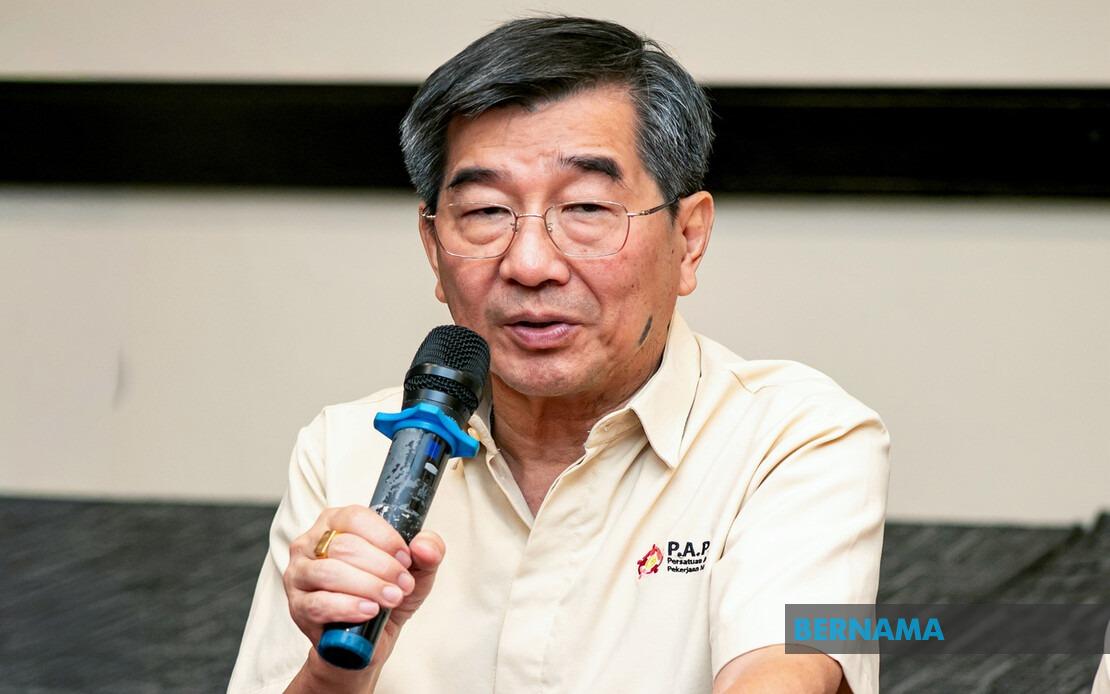
PAPA president Datuk Foo Yong Hooi outlined the rationale behind the programme, emphasising that the domestic worker employment landscape had historically operated with limited risk management tools. Employers typically receive guarantee periods ranging from three to six months following worker placement, after which they shoulder complete financial responsibility should complications arise. This structural weakness has created considerable uncertainty in a sector employing hundreds of thousands of workers across Malaysian households and small businesses.
The new policy addresses several previously uninsured scenarios that frequently generate disputes and unexpected costs. Employers will receive RM5,000 in compensation if a domestic worker absconds during the covered period, helping recover expenses related to recruitment, processing, and placement fees. This feature directly tackles one of the most prevalent challenges facing employment agencies and households, where workers departing without notice creates immediate operational disruption and financial loss.
The abscondment benefit operates under a tiered framework, with maximum protection concentrated in the critical first year of employment when turnover risks peak. From year two onwards, this specific benefit ceases while other protections remain active. This design reflects industry experience showing that worker retention stabilises substantially beyond the initial twelve months, allowing insurers to adjust coverage while maintaining broader protective mechanisms.
Beyond abscondment, the scheme introduces hospitalisation and surgical coverage for domestic workers themselves, marking a departure from traditional employer-focused policies. This addresses a critical gap where informal workers historically lacked adequate medical protection under Social Security Organisation (PERKESO) schemes, which typically cover only workplace-related accidents. The new policy extends to general illness requiring hospitalisation, acknowledging that domestic workers face health risks regardless of work connection.
Weekly compensation provisions allow workers to receive income replacement for up to twelve weeks when medically certified as unable to work, providing crucial financial stability during recovery periods. The policy additionally covers limited assistance for lost essential documents such as passports, a practical benefit reflecting common complications in the domestic worker sector. These provisions collectively represent substantially broader coverage than an earlier abscondment-focused policy introduced two decades ago, which was ultimately discontinued due to fraudulent claim patterns.
Datuk Foo highlighted that pre-existing medical conditions frequently emerge after employment commencement, creating unexpected financial burdens for employers responsible for worker welfare. The new scheme ameliorates this challenge by providing designated coverage for medical events, reducing disputes about responsibility and treatment obligations. This structured approach differs markedly from informal arrangements where medical costs generate conflict and potential legal exposure.
Initially presented to PAPA membership, the insurance programme remains available to all employers engaging domestic workers, broadening its potential impact across the employment spectrum. GMAT Sdn Bhd chief executive officer M. Marimuthu indicated that online purchasing facilities streamline access, while hospitalisation expense reimbursement through private hospital networks provides workers with treatment flexibility subject to defined policy limits.
For Malaysian domestic workers and employers, this initiative carries significant practical implications. Workers gain explicit illness and accident coverage previously unavailable through formal channels, enhancing security during vulnerable periods. Employers reduce exposure to unexpected medical and placement costs that have historically created tensions in employment relationships. The scheme's availability to non-PAPA members signals broader industry recognition that comprehensive risk management benefits the entire sector.
The initiative also reflects evolving regional standards regarding informal sector protections. As Southeast Asian economies increasingly scrutinise employment conditions and worker welfare, Malaysia's approach demonstrates how targeted insurance mechanisms can bridge gaps between formal social security systems and informal employment realities. The scheme's structure offers a model potentially adaptable across comparable sectors and neighbouring markets with similar domestic worker populations.
Implementation success will depend on uptake rates among employers and effective claims administration by GMAT and Allianz. Given historical fraud concerns with previous abscondment policies, robust verification procedures and transparent claims processes become essential for programme credibility. Industry observers will monitor whether the tiered benefit structure and broader coverage successfully balance insurer sustainability with adequate protection for vulnerable workers.
The programme's long-term viability may influence how Malaysia addresses other informal employment protection gaps. As workforce demographics shift and worker expectations evolve, insurance-based solutions provide flexible mechanisms for extending security beyond traditional statutory frameworks, potentially offering templates for domestic workers throughout Southeast Asia navigating similar protection gaps.

