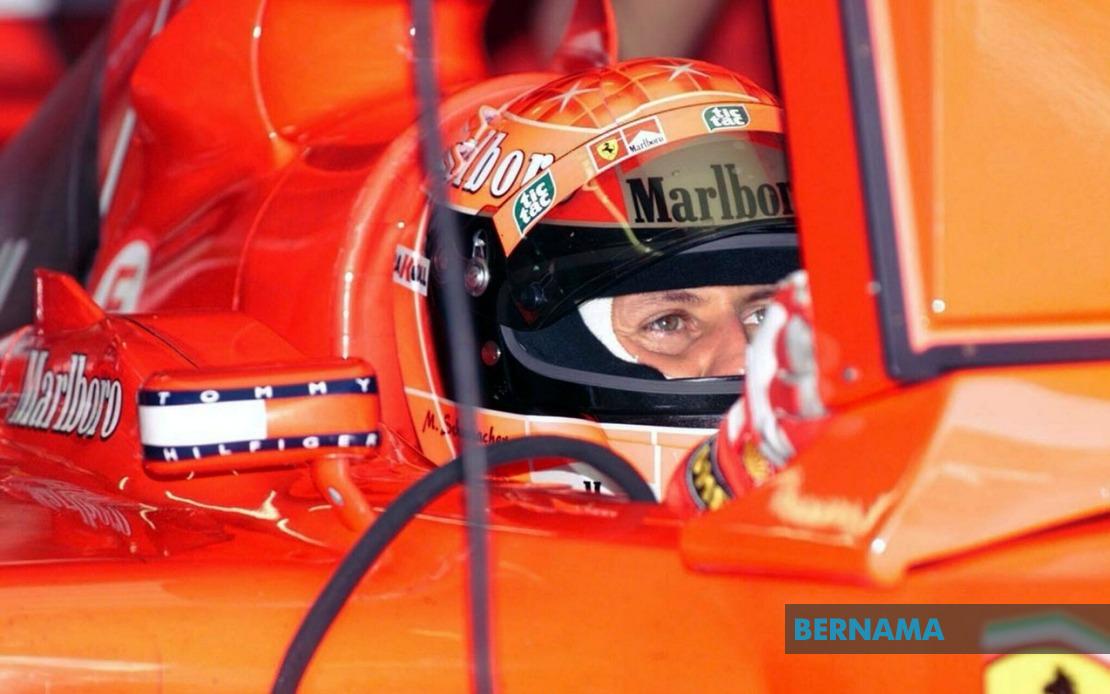
Netflix will premiere a documentary about Michael Schumacher, the German Formula One legend, on October 2, marking a significant moment in sports storytelling as the streaming platform brings fresh perspective to one of motorsport's most celebrated yet complicated figures. The film has been developed in collaboration with Schumacher's wife Corinna, whose participation underscores the family's selective engagement with public narratives about the racing icon.
The documentary centres on the 1994 season, when the then 25-year-old Schumacher captured his first world championship title—the beginning of a record-tying run that would eventually see him claim seven world crowns. This particular campaign proved transformative for Schumacher's career, establishing the foundation for his unprecedented dominance in the sport and launching his ascent from promising talent to global motorsport royalty. The narrative arc charts his progression from being perceived as an outsider within the elite racing fraternity to becoming world champion, a trajectory that captivated audiences far beyond traditional Formula One enthusiasts.
The 1994 season remains one of the most contentious and emotionally turbulent years in Formula One history, a context the documentary necessarily explores through multiple dimensions. Schumacher's Benetton team faced persistent allegations of technical irregularities and potential rule violations, controversies that cast shadows over his maiden championship even as he demonstrated exceptional driving skill. These cheating claims have remained a point of historical contention, with debates continuing decades later about whether technological advantages compromised the sporting legitimacy of his achievement.
Yet the season transcended sporting controversy through profound tragedy. The death of Roland Ratzenberger during qualifying sessions and the fatal accident involving three-time world champion Ayrton Senna during the race itself shook Formula One to its core, forcing the sport to confront safety deficiencies that had been systematically ignored. These losses fundamentally altered the championship's emotional significance, transforming Schumacher's triumph into a more complex legacy intertwined with motorsport's deadliest weekend in a decade. The documentary's treatment of these events will likely provide emotional weight and historical gravity to what might otherwise be framed as a straightforward sporting success story.
The production assembles an impressive roster of figures who witnessed or participated in these events directly. Corinna Schumacher's involvement signals the family's desire to shape how the 1994 season is understood, while former Benetton team principal Flavio Briatore can offer perspective on the technical controversies surrounding the car. Bernie Ecclestone, the former Formula One commercial chief who orchestrated the sport's transformation into a global phenomenon, provides historical context from leadership perspective. David Coulthard, who competed against Schumacher that season, and Willi Weber, who managed Schumacher's career during this critical period, contribute personal insights from those who competed alongside or advised the young champion.
The documentary also addresses the emergence of "Schumi-mania" in Germany, a cultural phenomenon that transcended motorsport. Schumacher's success catalysed unprecedented enthusiasm for Formula One within German-speaking markets, transforming the sport from a niche international competition into mainstream entertainment in Central Europe. This domestic phenomenon had lasting commercial implications for Formula One's global expansion strategy and influenced how the sport subsequently marketed itself in key European territories.
The championship-deciding race in Adelaide, Australia proved extraordinarily controversial. Schumacher's collision with Damon Hill, the defending champion from Britain, during the final race secured the title by a single point but generated accusations that the manoeuvre constituted deliberate gamesmanship. Hill and his Williams team protested vehemently, arguing that Schumacher had employed unsporting tactics to clinch victory. This moment encapsulated debates about competitive ruthlessness versus sportsmanship that would characterise discussions of Schumacher's career for decades.
For Malaysian and Southeast Asian audiences, this documentary offers more than motorsport nostalgia. Formula One holds significant cultural resonance across the region, particularly given Malaysia's hosting of the Malaysian Grand Prix since 1999 and the sport's growing fanbase throughout ASEAN nations. The examination of 1994 provides historical context for understanding contemporary Formula One politics, driver rivalries and the sport's evolving relationship with safety protocols and technical regulations—issues that continue shaping current competitions.
Schumacher himself remains largely absent from public life. Now 57 years old, he has not made public appearances since sustaining a severe head injury during a skiing accident in 2013. The extent of his recovery and current condition remain closely guarded family matters, making this documentary potentially one of the most substantial public insights into his perspective since his accident. The production's reliance on interviews with those who knew him during the 1994 season reflects these limitations while simultaneously offering an alternative narrative structure centred on the people who witnessed his emergence.
The October 2 release date positions the documentary within a broader Netflix strategy of leveraging sports content to attract and retain subscribers globally. Formula One has become increasingly prominent in streaming platforms' content portfolios, with Drive to Survive having established documentary storytelling about the sport as commercially viable entertainment. This Schumacher project represents an opportunity to explore one specific moment in motorsport history with depth and nuance, potentially resonating with international audiences who were not even born when the 1994 season concluded.
The film's examination of 1994 ultimately invites reconsideration of Schumacher's legacy. Rather than focusing on his seven world titles or record-breaking achievements, the documentary positions his first championship as the pivotal moment when a talented young driver transformed into a dominant force, all while navigating unprecedented technical controversy and profound collective tragedy. This narrative approach offers audiences a more textured understanding of how sporting success, ethical ambiguity and personal resilience intersect within the high-pressure world of professional motorsport.

