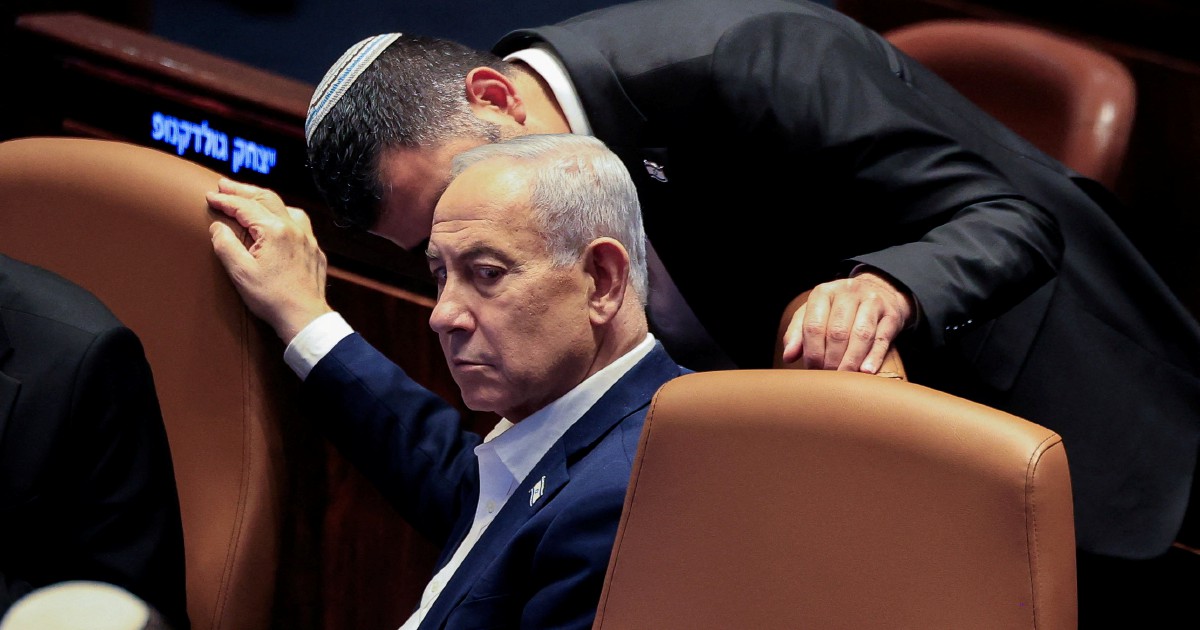
Israeli Prime Minister Benjamin Netanyahu's office delivered a stinging rebuke to New York Mayor Zohran Mamdani on Sunday, after the municipal leader suggested he was contemplating the arrest of the Israeli premier during an upcoming gathering at the United Nations. The statement from Netanyahu's office underscores mounting diplomatic tensions surrounding the prime minister's international engagements and reflects deeper divisions over how cities should respond to Israeli government policies, particularly concerning ongoing regional conflicts.
Mamdani's comments regarding the possibility of arresting Netanyahu during a UN summit have thrust New York's municipal leadership into the centre of a contentious debate about sovereign immunity, international law, and the responsibilities of host nations. The remarks carry particular weight given New York's status as home to the UN headquarters, a location where questions of diplomatic protocol and international obligations intersect with local governance and political pressure from constituency groups.
For Malaysian readers and observers across Southeast Asia, this episode illustrates the profound geopolitical fractures that now characterise international relations, where local politicians increasingly invoke arrest warrants and legal accountability mechanisms in response to foreign leaders' policies. The International Criminal Court, based in The Hague, has issued arrest warrants for various Israeli military and political figures, creating a complex legal landscape that some municipal leaders view as justification for domestic action.
The Netanyahu government's aggressive response reflects Israeli concerns about the weaponisation of legal procedures against its leadership on the international stage. These anxieties have intensified as various national courts and international bodies have expanded their jurisdictional claims over foreign officials, creating unpredictable environments for diplomatic movement. For a leader already dealing with domestic political challenges and military operations in multiple theatres, such statements from officials in historically friendly nations carry strategic implications.
New York has historically maintained carefully calibrated diplomatic relationships with Israeli governments while simultaneously hosting large Palestinian diaspora communities and pro-Palestine activist networks. Mamdani's comments reveal the internal tensions within American cities, where municipal leaders must navigate between constituents demanding accountability for perceived Israeli actions and the practical realities of hosting international diplomatic functions that require orderly conduct and predictable security.
The timing of these remarks during preparations for a UN summit adds another layer of complexity. The UN General Assembly meeting traditionally convenes in September, bringing world leaders to New York and creating ceremonial and security obligations for the host city. Municipal authorities must balance free speech and political expression with their responsibilities to facilitate international diplomacy, a balance that has become increasingly contentious in recent years.
From a Southeast Asian perspective, this incident demonstrates how Middle Eastern conflicts increasingly generate ripple effects through global metropolitan centres, particularly those hosting international institutions. Malaysian stakeholders watching these developments understand that regional players cannot fully insulate themselves from geopolitical turbulence originating in distant regions. The precedent being set regarding arrest mechanisms and municipal jurisdiction over foreign leaders could eventually influence how nations in Asia approach visiting dignitaries and international conferences.
The broader context includes mounting pressure on Israeli leaders from various activist movements, legal advocates, and political figures who argue that recent military operations constitute violations of international humanitarian law. Whether one accepts or rejects these characterisations, the reality remains that Israeli officials now navigate an international environment where legal jeopardy accompanies official travel in ways that were previously less common. Netanyahu's office statement therefore represents not merely a diplomatic complaint but a reflection of strategic vulnerability in international forums.
For Israel, such incidents compound existing diplomatic challenges. The country already faces considerable isolation in certain international venues and has worked to build relationships with nations willing to maintain normal diplomatic engagement. When officials in traditionally allied cities publicly discuss arresting Israeli leaders, it signals a breakdown in the informal agreements that typically govern international relations and diplomatic immunity conventions.
Mamdani's position within New York's political landscape deserves consideration as well. His emergence as a public figure willing to challenge Israeli leadership reflects generational shifts in American politics, particularly among younger officeholders and constituencies with different historical frameworks regarding the Israeli-Palestinian question. These political realignments are reshaping how traditional Western allies approach Middle Eastern diplomacy.
The incident also highlights the tension between universal jurisdiction principles and diplomatic convention. While international law theoretically permits prosecution of individuals for crimes against humanity regardless of official status, the practical implementation of such jurisdiction through municipal authorities in host cities creates problems for the functioning of international institutions. The United Nations requires stable, predictable diplomatic conditions to operate effectively.
Moving forward, this confrontation may influence how governments and cities prepare for international summits, potentially leading to more restrictive diplomatic protocols or enhanced security arrangements for visiting leaders. It also signals that Israeli officials should expect increased legal exposure in certain jurisdictions, a consideration that affects not only Netanyahu but his successors and other officials in future administrations.
The episode ultimately demonstrates how contemporary geopolitical divisions have permeated local governance structures worldwide. In an interconnected global system, municipal leaders increasingly see themselves as stakeholders in international conflicts and justice mechanisms, blurring traditional boundaries between local and international politics in ways that create friction and uncertainty for diplomatic engagement.

