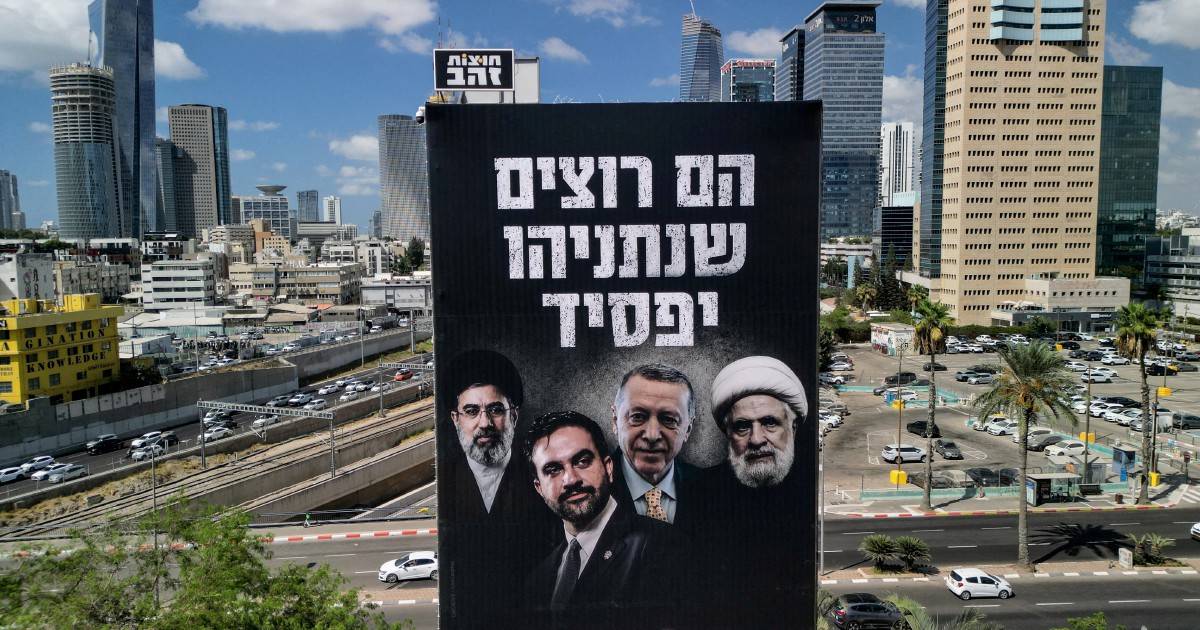
Prime Minister Benjamin Netanyahu's Likud party held internal elections on Monday in Tel Aviv to determine its candidate list for Israel's October 27 general election, a pivotal ballot that threatens to diminish the ruling right-wing coalition's parliamentary dominance. The selection process reflected growing anxieties within the party hierarchy about the government's electoral prospects, as multiple political fronts have conspired to erode Netanyahu's previously commanding political position.
The timing of the candidate selection underscores the escalating domestic pressures confronting Israel's longest-serving prime minister. Beyond the traditional challenges of assembling a unified electoral slate, Netanyahu finds himself navigating a fundamentally altered political environment characterised by fractious coalition dynamics, ongoing security concerns, and persistent public debate over judicial reforms that have polarised Israeli society. These intersecting crises have reshaped voter preferences and elevated the visibility of rival political formations, creating genuine uncertainty about whether Netanyahu can secure the legislative majority necessary to form a stable governing coalition.
Likud's internal democratic process, wherein party members directly vote on candidate rankings, typically generates considerable media attention and serves as an early indicator of grassroots sentiment within the party base. This year's selections carry heightened significance because they will directly determine which politicians front the party's campaigns in contested districts and marginal constituencies that may ultimately decide the election's outcome. The careful calibration of the candidate list—balancing ideological factions, geographic representation, and individual political viability—reflects leadership calculations about which combination of candidates best positions Likud for electoral success.
Neither formal statements from Netanyahu nor internal party communications have articulated a comprehensive strategy for recovering lost ground, suggesting that Likud strategists remain focused on day-to-day tactical positioning rather than articulating a forward-looking vision. This reactive posture stands in stark contrast to earlier periods of Netanyahu's political tenure, when his government appeared to operate from a position of relative strength and ideological clarity. Contemporary observers note that the compressed timeline between candidate selection and the actual election provides limited opportunity for sustained messaging campaigns or significant shifts in public opinion.
The right-wing party's weakened position reflects several converging factors affecting Israeli electoral politics. Security challenges, economic management questions, and the divisive judicial reform agenda have all contributed to erosion of Likud's support among key demographic cohorts including younger voters, secular urbanites, and middle-class professionals who previously formed the party's core electoral base. Simultaneously, alternative right-wing parties and centrist formations have positioned themselves as credible alternatives, fragmenting the conservative vote in ways that could prevent any single faction from commanding an outright majority.
Regional developments have also influenced the domestic Israeli political calculus. Heightened tensions and security concerns create complex imperatives for voters, who must simultaneously evaluate government performance on security matters while considering broader questions about governance, judicial independence, and democratic norms. These competing considerations have produced volatility in polling data and reduced predictability about which coalition combinations might emerge after the election results are counted.
For neighbouring countries and the broader Middle Eastern region, the outcome of Israel's October election carries significant implications regarding future security policy, diplomatic positioning, and the potential trajectory of various ongoing disputes. The electoral result could substantially reshape Israel's approach to regional negotiations, defence spending priorities, and relationships with international partners. Malaysia and other Southeast Asian nations maintain diplomatic and commercial relationships with Israel, making developments in Israeli politics relevant to broader regional equilibrium and international commerce.
The Likud candidate selection process also reflects internal party dynamics that have simmered for years. Competing factions within the right-wing movement possess distinct views on settlement policy, engagement with Palestinian authorities, military spending priorities, and the optimal balance between security concerns and civil liberties. These internal divisions, normally submerged during periods of electoral strength, now command greater attention as party activists debate which ideological emphasis will prove most electorally compelling.
Though Likud retains organisational advantages and the incumbent party typically benefits from name recognition and institutional resources, these traditional advantages appear insufficient to guarantee success under current circumstances. Netanyahu's personal political brand, which once conveyed competence and decisive leadership to core constituencies, now generates ambivalent or negative reactions among broader segments of the electorate. This fundamental shift in perceptions represents perhaps the most significant challenge confronting the party as it seeks to assemble a winning coalition.
The October 27 election will ultimately determine whether Netanyahu can maintain his position as Israel's dominant political figure or whether the accumulation of pressures and electoral headwinds proves decisive in redirecting the country's political trajectory. The candidate selection completed this week establishes the lineup that will carry the Likud banner into that contest, but the competitive intensity surrounding the ballot suggests that no predetermined outcome can be assumed. Political observers across the Middle East and internationally are monitoring developments closely, recognizing that Israeli electoral outcomes frequently reshape regional dynamics and international relationships in consequential ways.

