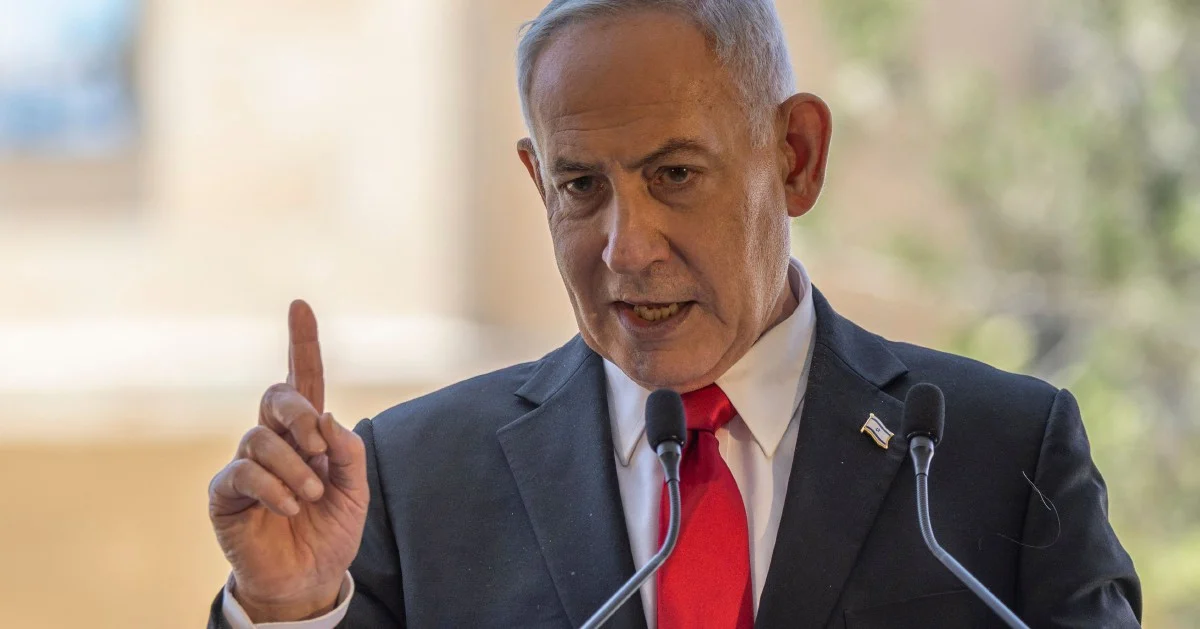
With the Israeli parliament scheduled to dissolve within days and national elections set for approximately four months away, Prime Minister Benjamin Netanyahu's administration has intensified efforts to advance a batch of contentious legislative measures, prompting vigorous objections from opposition political movements.
The timing of this legislative acceleration underscores a familiar pattern in parliamentary democracies, where governing coalitions attempt to enact their policy agenda during windows of opportunity before losing executive control. For Netanyahu's government, the urgency reflects both political vulnerability and ideological priorities that may face obstruction under a different administration. The compression of legislative activity into this compressed timeframe has transformed the final sitting of parliament into a high-stakes contest between the ruling coalition and its critics.
Opposition figures have characterized the bills as attempts to entrench government power and reshape institutional frameworks during a period when parliamentary scrutiny may be diminished. Critics argue that rushing legislation without adequate debate undermines democratic deliberation and public consultation, particularly on measures with long-term constitutional or legal implications. The opposition's resistance extends beyond mere procedural objections, touching on substantive concerns about the direction of Israeli governance and the balance of power between executive and judicial authorities.
The nature of these bills reflects deeper ideological divisions within Israeli society. Some measures reportedly address governance structures, while others touch on policy areas that have proven divisive in recent political campaigns. For international observers and regional analysts, the flurry of legislation signals the intensity of domestic political competition and the stakes involved in the forthcoming electoral contest. The ability to pass certain bills now may shape which side possesses structural advantages in government formation after elections conclude.
Parliamentary dissolution typically triggers a transitional period where incoming governments inherit existing legal and institutional frameworks established by predecessors. Netanyahu's push to pass bills before this transition reflects an understanding that electoral outcomes remain uncertain and that locking in certain policy changes now may constrain future governments' flexibility. This legislative strategy, while common globally, has proven particularly controversial in the Israeli context given ongoing debates about judicial independence, minority rights, and the proper scope of executive authority.
The opposition's fierce pushback demonstrates how high-stakes these measures have become in Israeli politics. Rather than accepting legislative initiatives as routine governance, critics have mobilized against what they perceive as attempts to fundamentally alter institutional balance. Public discourse around these bills has extended beyond parliament into media, civil society organizations, and international forums, indicating their significance beyond technical legislative matters.
Regional implications deserve consideration as well. The stability of Israeli governance structures affects not only domestic politics but also Israel's regional relationships and security posture. Legislation affecting institutional arrangements therefore carries weight extending beyond internal Israeli concerns. For Southeast Asian observers monitoring Middle Eastern affairs, understanding these domestic political dynamics provides insight into how Israeli governmental capacity and internal cohesion may influence regional developments.
The four-month timeline before elections represents a relatively brief period, yet sufficient for a determined parliamentary majority to advance significant legislation. The speed at which the government is attempting to move suggests either that coalition members perceive genuine opportunity or face pressure from constituent groups demanding certain policy outcomes before electoral uncertainty arrives. The opposition's response, in turn, indicates that these bills address matters their constituencies regard as substantive rather than procedural.
The parliamentary dissolution process itself carries symbolic weight beyond its legal mechanics. For coalition partners and backbench members supporting Netanyahu's government, this moment represents a final opportunity to deliver on electoral promises before facing voters. For opposition members, it presents a chance to block measures they regard as harmful while simultaneously building campaign narratives about governmental overreach and democratic erosion.
As the legislative session moves toward its conclusion, observers are watching both which bills ultimately pass and how parliamentary majorities hold together under pressure. The voting patterns on contentious measures may offer hints about potential coalition configurations after elections, since legislators' positions on these bills signal ideological commitments that shape future governing possibilities. The intensity surrounding this legislative push thus reflects not merely immediate policy concerns but also competition to shape the political terrain for the electoral contest ahead.
For Malaysia and other Southeast Asian nations with their own experiences of coalition politics and parliamentary transitions, the Israeli example offers instructive parallels about how governing parties manage institutional relationships during periods of political uncertainty. The tensions between executive initiative and legislative oversight, between majoritarian governance and minority protections, emerge across different political systems and cultural contexts. Netanyahu's government's approach to these final legislative opportunities therefore provides a window into how different democracies navigate similar constitutional and political challenges when power remains contested.

