Nepal's former finance minister Bishnu Prasad Paudel was taken into custody late Monday evening, facing charges of money laundering in what authorities describe as part of a broader anti-corruption initiative. The arrest, confirmed by local police, signals the administration's determination to investigate alleged financial irregularities during preceding administrations, particularly those spanning recent years when Paudel held significant control over national fiscal policy.
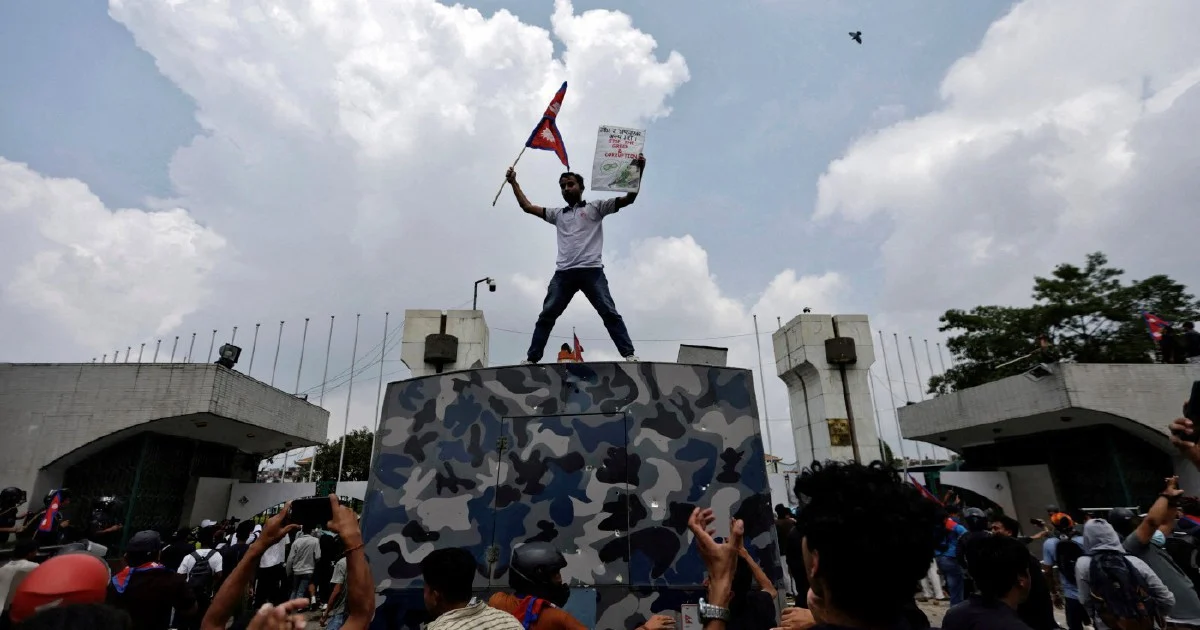
The move reflects a notable shift in Nepal's political landscape, where younger constituencies have emerged as a decisive electoral force demanding accountability from the political establishment. This generational pressure has compelled the current government to pursue high-profile cases against former officials, creating a climate where senior bureaucrats and ministers from previous regimes face intensified scrutiny. The timing and prominence of Paudel's arrest underscore this shift in priorities within Nepal's governance structures.
Paudel's tenure as finance minister placed him at the centre of Nepal's economic policy-making during a period marked by significant fiscal challenges and infrastructural development initiatives. His portfolio encompassed crucial decisions regarding foreign borrowing, domestic revenue collection, and public expenditure allocation. The allegations surrounding his detention touch upon these core responsibilities, suggesting that investigators are examining whether he misused his position or facilitated financial flows through irregular channels.
Money laundering investigations in Nepal typically involve tracing suspected illicit funds through the financial system, an undertaking complicated by the country's banking infrastructure and the prevalence of informal financial channels. Proving such cases requires establishing clear links between suspicious transactions and unlawful origins, a process that frequently extends over months or years. The authorities' ability to bring such charges against a former finance minister reflects either substantial preliminary evidence or deliberate political calculation regarding the investigation's public perception.
This arrest arrives amid broader regional discussions about financial accountability in South Asia. Neighbouring countries including Bangladesh, Pakistan, and India have similarly pursued corruption cases against former officials, creating a pattern of post-administration legal action. However, critics often question whether such prosecutions represent genuine anti-corruption efforts or selective political prosecution designed to weaken opposition movements and consolidate executive authority.
For Malaysia and other Southeast Asian economies, Nepal's case offers instructive lessons regarding institutional independence and the rule of law. While confronting corruption represents a legitimate governance objective, the manner in which authorities conduct investigations and prosecute cases significantly influences investor confidence and institutional credibility. Democracies throughout the region have grappled with balancing accountability with the maintenance of transparent, predictable legal frameworks that protect both public interests and individual rights.
The ramifications extend to Nepal's economic trajectory and international standing. Foreign investors monitor how nations treat former officials and whether legal proceedings appear impartial or politically motivated. Previous episodes of politically-charged prosecutions elsewhere in South Asia have occasionally dampened foreign direct investment and complicated diplomatic relationships, lessons Nepal's policymakers would do well to consider as investigations proceed.
Nepal's financial sector has historically faced challenges related to informal transactions and limited transparency in certain segments, making comprehensive money laundering investigations complex. The country's banking system, though modernising, still contends with cash-based transactions and cross-border financial flows that complicate regulatory oversight. These structural factors provide both genuine investigative challenges and potential cover for illicit financial activities that authorities must distinguish carefully.
Paudel's detention also carries implications for political stability within Nepal, where factional divisions within coalition governments have periodically destabilised administrations. Former allies may now fear similar treatment, creating incentives either to cooperate with investigations or to consolidate opposing blocs. Such dynamics can either strengthen institutional accountability or devolve into cycles of retaliatory prosecutions depending on how impartially the justice system operates.
The investigation's trajectory will reveal much about Nepal's commitment to genuine institutional reform versus political vengeance. Should proceedings demonstrate adherence to due process, transparent evidence presentation, and independent judicial scrutiny, the case could establish important precedents for holding officials accountable. Conversely, if investigations appear selective or evidence proves weak yet prosecutions continue, such patterns would signal troubling tendencies within Nepal's governance architecture that warrant international attention and concern among business communities throughout the region.