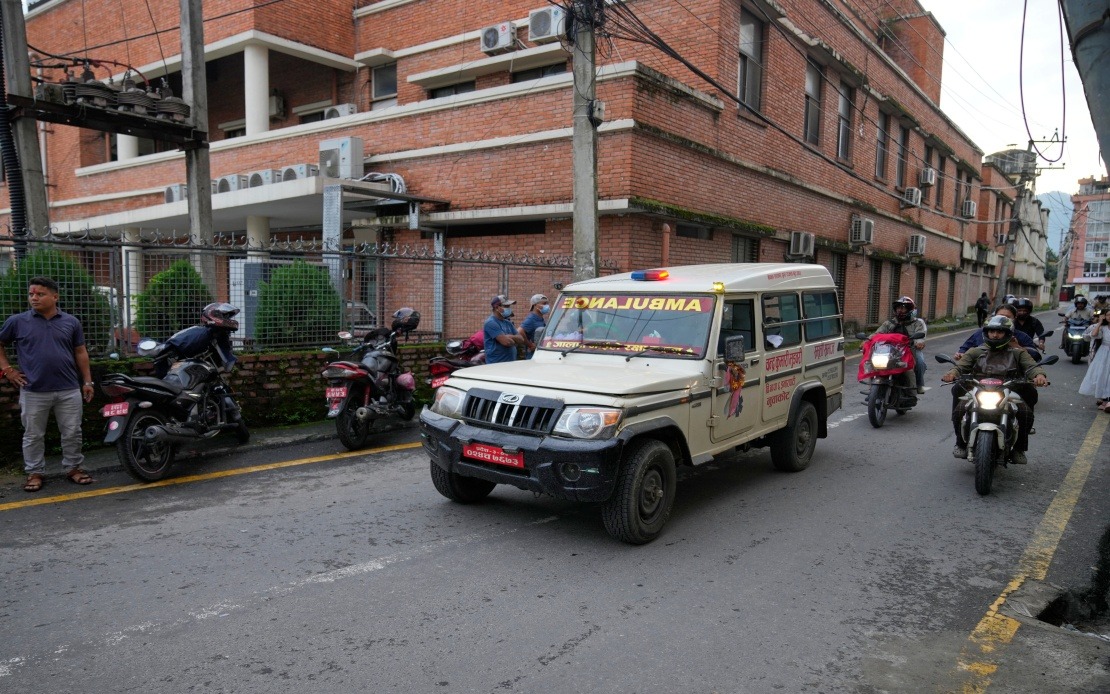
A catastrophic natural disaster unfolded in Nepal this week when the rupture of a Himalayan glacier triggered severe flooding in the Bhote Koshi and Trishuli river valleys, trapping hundreds of foreign tourists and workers in a region struggling to mount an effective response. By Friday evening, Nepalese rescue authorities had successfully extracted 121 international nationals from the disaster zone, though the achievement offers little comfort given the massive scale of the calamity.
The rescued foreigners represent a diverse cross-section of global nationalities, according to figures released by Nepal's tourism authority. The contingent includes 85 Indians, 16 Chinese nationals, nine South Koreans, and smaller numbers from developed nations including two Americans, two Russians, and two Italians. Additional individuals rescued hailed from Belgium, Bulgaria, Portugal, Spain, and Switzerland, reflecting the region's popularity as a trekking and pilgrimage destination. This international dimension underscores how natural disasters in Asia's mountainous regions can have immediate humanitarian consequences that ripple across borders and national boundaries.
The death toll from the flooding has climbed to approximately 550 people, making this one of the region's deadliest natural disasters in recent memory. The catastrophe has affected both Nepal and neighbouring China, with the glacial collapse triggering a cascade of destruction across multiple river systems. Downstream communities bore the brunt of the initial surge, leaving authorities to grapple with identifying victims and managing the overwhelming logistics of disaster recovery in real time.
Nepalese officials are confronting unprecedented challenges in managing the aftermath. Hospital facilities in major towns including Chitwan and Pokhara have become overwhelmed, creating a crisis within the crisis as healthcare infrastructure buckles under the strain. Authorities face critical shortages in proper facilities to store recovered bodies, a grim indication of the scale of fatalities. Search and rescue teams continue to probe downstream areas, though hopes of finding additional survivors diminish with each passing hour.
Prime Minister Balendra Shah convened an emergency Cabinet meeting on Friday to assess the situation and coordinate relief operations. In a significant gesture of solidarity, Shah and his Cabinet ministers announced they would each donate one month's salary to the Prime Minister's Natural Disaster Relief Fund, directing resources toward immediate humanitarian assistance. This decision reflects the gravity with which Nepal's political leadership views the emergency, though such measures, while symbolically important, cannot substitute for the massive logistical and financial resources required to respond adequately to a disaster of this magnitude.
India has emerged as a critical partner in the relief effort, particularly given the substantial Indian nationals caught in the disaster zone. New Delhi has already dispatched two shipments of humanitarian aid totalling 47.5 tonnes, with a third aircraft scheduled to depart on Friday carrying additional relief materials. This rapid mobilisation demonstrates the importance India places on protecting its citizens and supporting a neighbouring nation in crisis.
The scale of missing Indian nationals presents a particular concern. According to Randhir Jaiswal, spokesman for India's Ministry of External Affairs, approximately 320 Indians have lost contact with their families or authorities. However, reassuring news emerged regarding workers on the Trishuli hydropower project, with 63 Indians employed there confirmed safe. An additional 21 rescued individuals have already been transported to India for medical treatment and further assistance. The situation is further complicated by an estimated 100 people of Indian origin holding passports from other nations who remain unaccounted for, many of whom may have been participating in pilgrimage activities in China's Xizang region at the time of the disaster.
India's diplomatic efforts have extended to information gathering, with approximately 400 Indian nationals in the Chinese region confirmed to be safe, easing concerns about the scale of casualties among Indian citizens. This careful accounting underscores how international disasters require coordinated diplomatic engagement to track and protect citizens across borders.
Regional solidarity has manifested through statements of support from neighbouring governments. Pakistan's Prime Minister Shehbaz Sharif telephoned his Nepalese counterpart to express condolences and announced that Pakistan would dispatch emergency relief assistance to Nepal. This gesture, while largely symbolic, reflects the shared understanding across South Asia that natural disasters transcend political boundaries and demand collective humanitarian responses.
For Malaysian readers, this disaster carries particular significance as a reminder of the vulnerability of the Hindu Kush-Himalayan region to climate-related catastrophes. Glacial collapses and flash flooding have become increasingly common as global temperatures rise, threatening not only the millions who live in these regions but also the international tourists and pilgrims who visit them annually. The rapid mobility of modern travel means that disasters in distant mountain regions can immediately affect citizens and nationals across Asia within hours.
The incident also highlights the critical importance of cross-border cooperation and diplomatic channels during natural disasters. The coordination between Nepal, India, and China in response efforts, despite existing geopolitical tensions, demonstrates that shared humanitarian imperatives can temporarily override other considerations. For Southeast Asian nations, this serves as a case study in how regional frameworks and disaster preparedness mechanisms become invaluable when crisis strikes.
As rescue operations continue and relief efforts intensify, the full dimensions of this tragedy remain unclear. The challenge now extends beyond immediate rescue and relief to the longer-term reconstruction and rehabilitation required to restore normalcy to affected communities. For Nepal's government and international partners, the coming weeks and months will test their capacity to manage one of the most complex humanitarian emergencies the region has faced in years.

