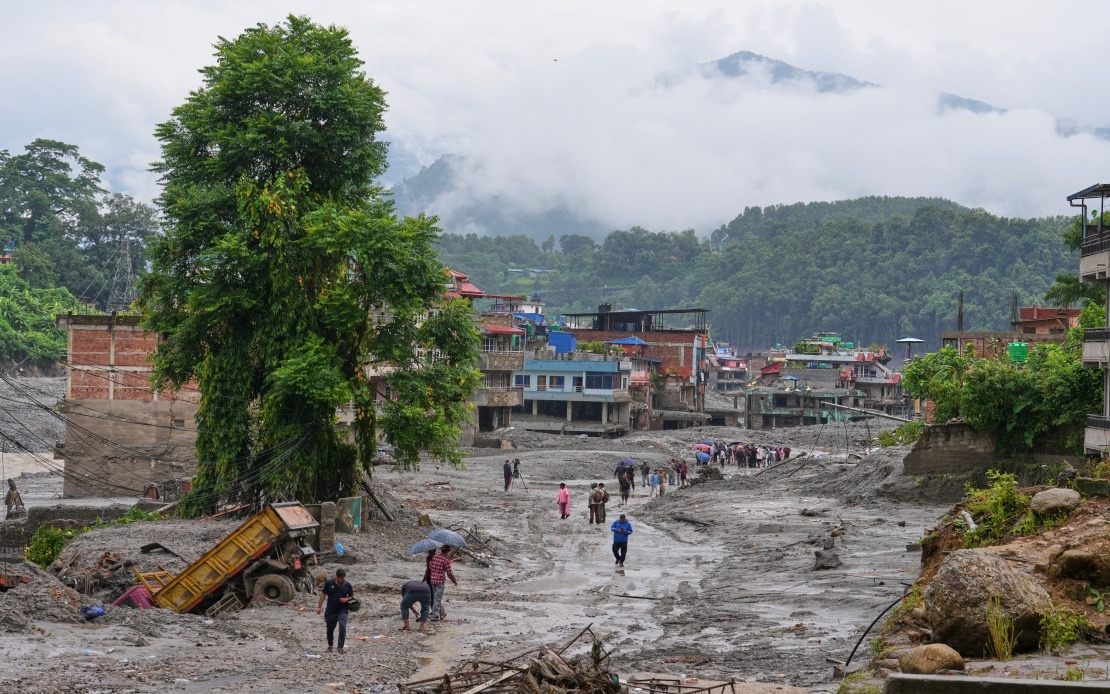
Nepal faces a catastrophic humanitarian crisis following devastating mudslides that have claimed at least 675 lives across multiple districts, according to figures released by the country's National Disaster Risk Reduction and Management Authority as of Saturday evening. The death toll represents one of the country's worst natural disasters in recent years, with rescue operations continuing intensively across affected areas. The scale of the unfolding tragedy has prompted urgent appeals for assistance from international organisations and neighbouring countries, highlighting the vulnerability of mountainous terrain to seasonal weather patterns that increasingly characterise South Asian monsoon seasons.
The search and rescue operation has become increasingly complex given the challenging topography and difficult access to affected communities in the worst-hit districts. With nearly 2,500 people classified as missing as of Saturday evening, authorities face mounting pressure to locate survivors in the immediate aftermath of the disaster. The monsoon season, which typically runs from June through September, regularly triggers landslides and mudflows across Nepal's hilly and mountainous regions, but the scale of this particular event suggests either unusual weather intensity or changing environmental conditions that warrant investigation.
Tourist communities have been disproportionately affected by the disaster, with Nepal's Department of Tourism reporting that 753 visitors had lost contact by late Saturday, comprising 589 foreign nationals and 164 others. This significant loss of tourists underscores the reality that many of Nepal's popular trekking routes and tourist destinations traverse geologically unstable terrain. The involvement of foreign visitors has likely prompted diplomatic engagement, with embassies and governments scrambling to account for their citizens and coordinate with Nepali authorities on rescue and recovery efforts.
The three most severely impacted districts—Rasuwa, Nuwakot, and Dhading—have become the focal point of emergency response efforts. These districts, situated north and east of Kathmandu, are known for their rugged mountain landscapes and seasonal vulnerability to landslides. The Kathmandu District Administrative Office has mobilised local resources and appealed to businesses, associations, and civil society organisations throughout the capital to contribute emergency supplies to support displaced survivors and affected families in these outlying regions.
The humanitarian response reveals the interconnected nature of disaster management in Nepal's densely populated valleys. Unlike urban centres, rural mountain communities often lack adequate infrastructure for medical evacuation, food storage, and shelter alternatives. Donated relief supplies from Kathmandu and surrounding urban areas represent a critical lifeline for isolated populations cut off by damaged roads and continued landslide activity. The urgency of the appeal suggests that initial supplies may be running dangerously low even as rescue operations continue.
For Malaysia and other Southeast Asian nations, Nepal's mudslide disaster serves as a sobering reminder of climate-related vulnerabilities across the region. South Asia's monsoon patterns affect weather systems throughout Asia, and similar landslide risks exist in Malaysian highlands, particularly in Peninsular Malaysia and East Malaysia. The disaster underscores the importance of robust early warning systems, community preparedness programmes, and regional cooperation on environmental monitoring and disaster mitigation.
The casualty figures released by Nepali authorities may yet rise substantially as search teams access more remote areas and as missing persons registries are processed. In previous major landslide events in Nepal, initial death counts have increased significantly during the first week following impact as communications with isolated communities are re-established and mass graves are discovered. The current figure of 675 confirmed deaths therefore represents a baseline rather than a final accounting of the disaster's toll.
The involvement of significant numbers of foreign tourists in this disaster has international dimensions that extend beyond humanitarian concerns. Tourism represents a crucial revenue source for Nepal's economy, and major casualties among visitors could have lasting effects on the sector's recovery and confidence. Insurance companies, travel operators, and diplomatic missions are likely coordinating response efforts, adding complexity to an already overwhelming emergency situation faced by Nepali authorities with limited resources.
Climate scientists have increasingly documented changes in precipitation patterns and landslide frequency across the Hindu Kush-Himalayan region, suggesting that disasters of this magnitude may become more frequent. Nepal's National Disaster Risk Reduction and Management Authority operates within significant resource constraints, and the current emergency will likely expose gaps in preparedness, response capabilities, and recovery infrastructure. International technical and financial assistance will prove essential during both the immediate response phase and the subsequent longer-term rebuilding process.
The disaster's timing, occurring during the latter part of the monsoon season, means additional rainfall could trigger secondary mudslides and further obstruct rescue operations. Search teams must therefore work under persistent time pressure, balancing the need to recover survivors quickly with the inherent dangers of operating in active landslide zones. Regional meteorological services monitoring weather patterns will play an important role in coordinating operations and managing risks to rescue workers themselves.

