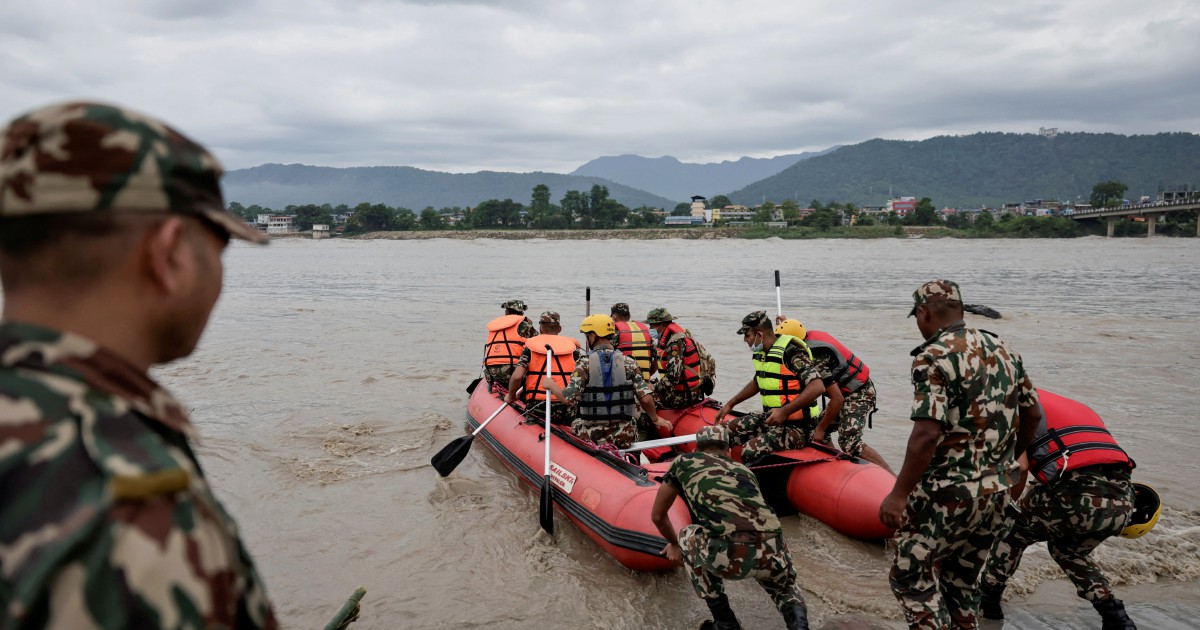
Nepal is confronting what officials describe as an unprecedented natural calamity, with devastating floods having claimed hundreds of lives and leaving thousands unaccounted for. Prime Minister Balendra Shah has characterized the unfolding crisis as both "unimaginable and heartbreaking," reflecting the extraordinary challenge facing South Asia's mountainous nation as rescue teams race against time to locate survivors and assess the full human and infrastructural toll.
The scale of destruction has overwhelmed local authorities, who continue to grapple with incomplete information about casualties and the extent of damage across affected regions. The sudden onset of flooding has created a communication vacuum in many areas, complicating efforts by officials to coordinate response operations and deliver aid to vulnerable populations. This information deficit underscores a persistent vulnerability in Nepal's disaster management infrastructure, despite previous experiences with major floods and earthquakes that have tested the nation's preparedness.
For Malaysia and other Southeast Asian nations, Nepal's crisis serves as a sobering reminder of the climate-related risks that affect the entire Asian region. With increasingly intense monsoon patterns and unpredictable rainfall events, countries across South and Southeast Asia face growing exposure to flash floods and landslides. The disaster highlights the urgent need for cross-border cooperation in disaster management and early warning systems that could prevent comparable tragedies in the region.
Rescue operations have mobilized extensively, though responders face significant logistical obstacles in reaching remote communities where damage assessments have yet to be completed. Roads washed away by floodwaters have severed connections between villages and urban centres, isolating populations from emergency services and humanitarian supplies. The mountainous terrain that defines Nepal's geography, while culturally and naturally significant, dramatically complicates search and recovery efforts when natural disasters strike.
Thousands of individuals remain unaccounted for, and the true mortality figure may not be known for weeks as rescue teams access previously unreachable settlements. Families separated by floodwaters face agonizing uncertainty about the fate of relatives in affected areas. The psychological toll of such a disaster ripples through communities, compounding the physical devastation already inflicted on homes, livelihoods, and critical infrastructure.
The humanitarian implications for Nepal's economy are substantial. Agricultural areas, which form the backbone of rural livelihoods, face potential destruction of crops and livestock. Infrastructure damage to roads, bridges, and water supply systems will require significant reconstruction investment at a time when the nation's fiscal resources are already stretched. International development partners will likely need to mobilize emergency funding to support immediate relief and medium-term recovery efforts.
Nepal's experience with major disasters has demonstrated both the resilience of its population and the structural limitations of response capabilities. Previous earthquakes and floods have shown that while communities demonstrate remarkable capacity to help one another, centralized coordination and resource distribution remain challenging. This disaster provides an opportunity for the government to strengthen institutional mechanisms for disaster response, particularly in early warning systems and evacuation protocols.
For regional observers, the Nepali crisis underscores broader climate adaptation priorities facing South and Southeast Asia. Rising temperatures and altered precipitation patterns are intensifying extreme weather events, creating compounding risks in nations that depend on monsoon agriculture and hydroelectric power. Malaysian planners and policymakers can draw lessons from Nepal's experience in evaluating their own flood preparedness, particularly as urban expansion and deforestation increase vulnerability in low-lying areas.
The international community has begun mobilizing assistance, though the remoteness of many affected areas presents logistical hurdles for aid delivery. Regional neighbours and global partners are coordinating to provide emergency relief, recognizing that Nepal's capacity to respond independently to a disaster of this magnitude is limited. The coordination challenges facing responders in Nepal reflect similar vulnerabilities that Malaysia and other ASEAN nations must address in their own disaster management frameworks.
As rescue operations continue and casualty figures stabilize, attention will shift toward understanding how such a catastrophe could have such a severe impact. This process should examine not only the meteorological factors that triggered the floods but also the underlying vulnerabilities in infrastructure, early warning systems, and disaster preparedness that amplified the human cost. Nepal's tragedy carries urgent lessons for the entire Asian region about the necessity of investing in climate resilience and disaster management capacity before the next inevitable crisis arrives.

