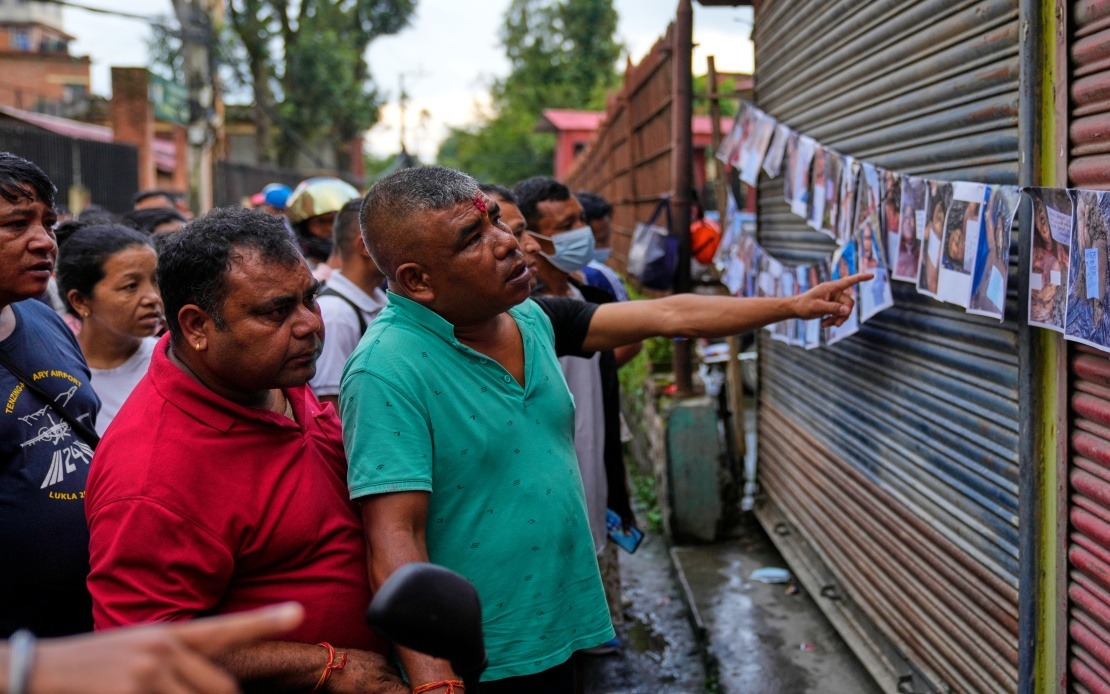
Rescue operations in Nepal's flood-ravaged Rasuwa district have intensified into their third consecutive day, as the humanitarian crisis continues to unfold across the country's northern border region. The catastrophic flooding, which began on Wednesday morning following the sudden collapse of a Himalayan glacier, has claimed over 550 lives and left hundreds still unaccounted for. For Malaysia, the disaster has raised serious concerns about the welfare of dozens of citizens caught in the affected areas, prompting urgent coordination efforts between Kuala Lumpur and Kathmandu.
By Friday afternoon, Malaysian authorities had confirmed that two of 57 citizens initially reported as missing had been located and accounted for, leaving 55 individuals whose whereabouts remained unknown. Datuk Syed Mohamad Hasrin Tengku Hussin, the Foreign Ministry's Deputy Secretary-General for Bilateral Affairs, emphasised that these figures were preliminary and subject to ongoing verification as information from Nepalese authorities and other agencies continued to flow in. The confirmation process has proven challenging given the scale of the disaster and the difficulties faced by local authorities in establishing communications across the devastated region.
Nepal's tourism authorities released a comprehensive roster on Thursday evening listing 537 foreign nationals from more than 30 countries reported missing following the Rasuwa district floods. The list, published by the Department of Tourism under the Ministry of Culture, Tourism, and Civil Aviation, included 51 Malaysians and contained crucial details such as names, ages, nationalities, and the travel agencies coordinating their trips. This documentation has become an essential tool for Malaysian authorities attempting to cross-reference names with their own records and identify which citizens may have been in the region when the disaster struck.
The flooding itself was triggered by a catastrophic collapse of a glacier in the Himalayan range, which sent torrents of water and debris rushing down the Bhote Koshi and Trishuli river systems. The initial surge devastated communities in Rasuwa district along the Bhotekoshi River before downstream sections of the Trishuli River system experienced secondary flooding. The deluge swept away vehicles, buildings, bridges, and sections of road infrastructure while isolating certain communities from assistance and cutting critical supply lines. The scale of destruction has made both rescue operations and casualty identification significantly more difficult.
Disturbing reports from The Kathmandu Post indicated that human remains were being discovered in districts far downstream from the initial impact zone in Rasuwa, complicating identification efforts and overwhelming local medical facilities. Morgue capacity in several affected districts has reached critical levels as the volume of recovered bodies far exceeds available storage space. Nepali authorities have faced mounting pressure to establish temporary facilities and coordinate the transportation of remains to regions with greater capacity. These logistical challenges underscore the unprecedented scale of the disaster and the strain it has placed on Nepal's disaster management infrastructure.
International rescue operations have already yielded results, with 121 foreign nationals successfully extracted from the flood zone as of Friday. However, none of those rescued have been identified as Malaysian nationals, suggesting that Malaysian citizens caught in the disaster either remain in remote areas awaiting rescue or have suffered fatal outcomes. The absence of Malaysians among rescued foreigners has intensified concerns within Malaysia's diplomatic and security apparatus about the actual situation on the ground.
Malaysia's response has moved beyond information gathering and into active coordination with the Nepalese government regarding humanitarian assistance. The National Security Council has been in direct contact with Nepali officials to explore appropriate forms of support, with Prime Minister Datuk Seri Anwar Ibrahim confirming that Malaysia stands ready to provide either financial assistance or technical expertise through the deployment of rescue personnel. The Malaysian Special Search and Rescue Team (SMART), which has been involved in international disaster response operations previously, has been placed on standby pending approval from Kathmandu.
The Foreign Ministry has maintained sustained efforts to establish the precise status of Malaysian citizens in the affected areas, liaising continuously with travel agencies, insurance companies, and other organisations that may have registered Malaysians in Rasuwa at the time of the disaster. This multi-layered approach to verification reflects the complexity of the situation, particularly given the communications blackouts affecting remote areas and the challenges posed by the monsoon season weather patterns that may impede rescue operations.
For the wider Malaysian public and the families of those missing, the unfolding crisis represents a sobering reminder of the hazards associated with adventure tourism in mountainous regions vulnerable to sudden geological events. The concentration of Malaysian tourists in Rasuwa district suggests that organised tour groups were traversing the region at the time of the glacial collapse, meaning that rescue efforts are being coordinated across multiple agencies and jurisdictions with varying levels of coordination capability. The coming days will be critical in determining whether the death toll among Malaysian nationals will be added to the already staggering figures, or whether those currently unaccounted for can still be located alive in temporary shelters or remote communities.

