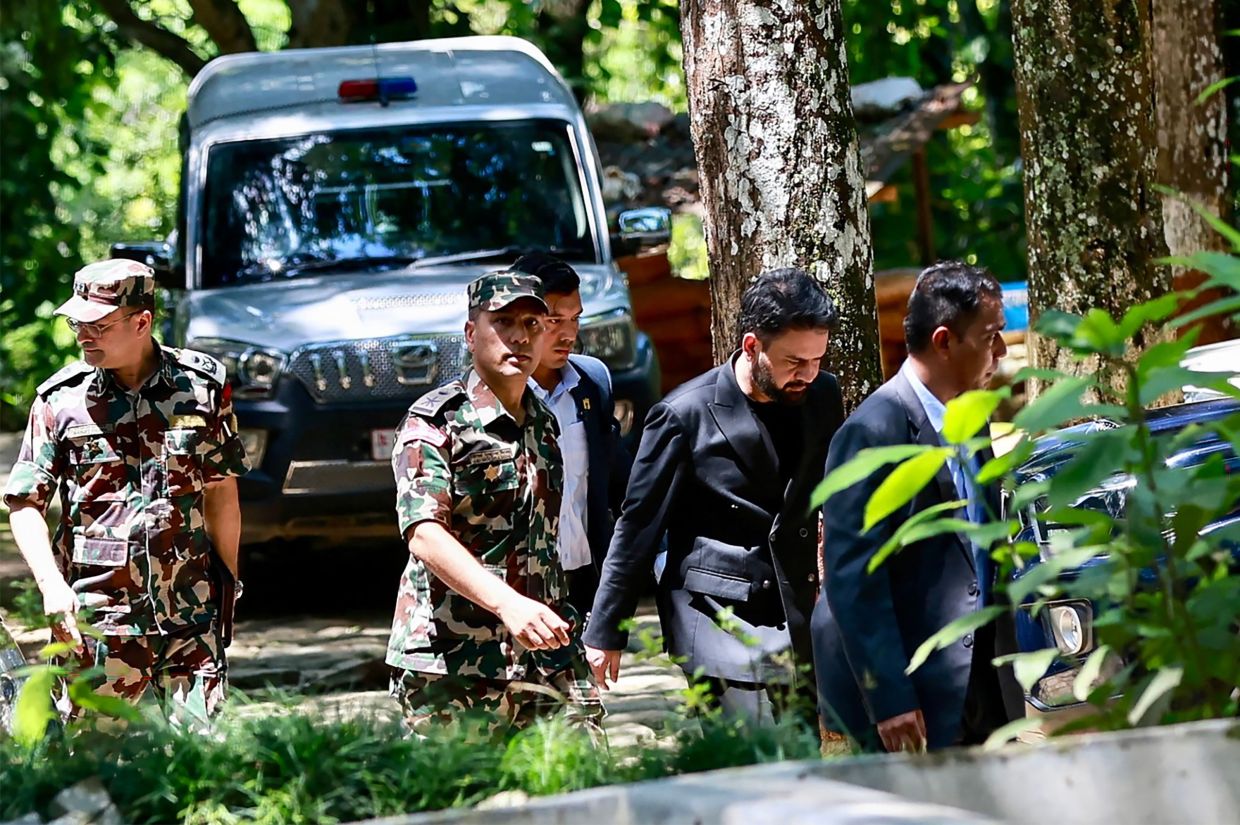
Nepal faces an existential challenge following a devastating glacial flooding event that has killed hundreds and displaced entire communities, according to Prime Minister Balendra Shah, who characterised the unfolding humanitarian crisis as "unimaginable and heartbreaking" in comments released late Sunday. The catastrophe strikes the Himalayan nation at a precarious political and economic juncture, testing the resolve of a government that came to power barely five months ago on promises of reform and national renewal.
The disaster originated in the Bhote Koshi River in Rasuwa district, where a massive surge of glacial meltwater, combined with rock and debris, swept through villages and towns on Wednesday, August 26, leaving a trail of destruction across the Nepal-Tibet border region. Official casualty figures have reached at least 797 confirmed deaths, though this count encompasses victims on both the Nepali side and in the adjacent Chinese territory of Tibet. The true human toll may be considerably higher, given the remote and mountainous terrain where many affected communities remain difficult to access.
Among the missing are approximately 3,048 people, a troubling figure that includes significant numbers of tourists and religious pilgrims who had travelled to Tibet's Mount Kailash, a sacred mountain destination that draws visitors from across South Asia. The loss of foreign nationals compounds the diplomatic dimensions of the crisis and raises international scrutiny on Nepal's disaster response capabilities. The combination of extreme weather, treacherous mountain passages, and ongoing geological hazards has severely hampered rescue and recovery operations, leaving authorities unable to quickly establish comprehensive casualty assessments or locate the missing.
Prime Minister Shah, a 36-year-old former rapper who entered politics under the nickname "Balen", inherited a nation already stretched by economic constraints and infrastructural deficits. His government faces the monumental task of reconstructing devastated villages, restoring critical infrastructure, and coordinating one of the largest disaster relief operations in recent Nepali history. The administration must simultaneously manage competing demands for emergency response, casualty management, and long-term reconstruction planning, all with severely limited budgetary capacity.
Nepal's underlying economic fragility presents an acute challenge to disaster recovery efforts. The country depends heavily on foreign remittances and tourism revenue, sectors that have faced headwinds in recent years. Channelling resources toward reconstruction while maintaining essential government functions will require difficult budget reallocation and likely international aid coordination. The government has already begun appeals to the international community for humanitarian assistance and financial support.
The timing of the disaster carries political implications for Shah's nascent administration. His party achieved a dominant electoral victory in March following widespread public anger over corruption under the previous government. That earlier administration had fallen amid mass anti-corruption protests on September 8-9 of last year, an anniversary that approaches even as the nation confronts this natural catastrophe. The government's handling of the flooding crisis will significantly influence public confidence in Shah's leadership and the broader reform agenda that brought him to power.
Rasuwa district, where the Bhote Koshi River disaster occurred, sits in Nepal's upper elevation zones, characterised by glaciated terrain and steep valleys. This geography, while providing natural resources and tourism potential, also concentrates risk from climate-related hazards including glacial lake outburst floods (GLOFs), which have increased in frequency across the Himalayan region in recent decades. The August 26 event exemplifies the growing climate vulnerability facing high-altitude communities throughout South Asia.
Nepal's disaster management infrastructure, historically underfunded and under-equipped, must now mobilise across difficult terrain with winter weather approaching. Communication breakdowns in remote areas have compounded the challenge of assembling accurate data on missing persons and structural damage. Authorities acknowledge that assessments remain incomplete and that the full extent of the catastrophe may not be known for weeks, as rescue teams access previously unreachable communities.
International response has begun to mobilise, though geographical constraints limit the pace of aid delivery. Neighbouring countries, including India, have offered preliminary support, and multilateral agencies are coordinating emergency response frameworks. Regional cooperation will be essential, given that the disaster affects both Nepali and Tibetan communities, necessitating coordination between Kathmandu and Chinese authorities.
Shah's public messaging emphasises national unity and collective resilience, framing recovery as achievable through coordinated effort despite immediate setbacks. His appeals to social cohesion resonate with the reform mandate his government received but also underscore the stakes of effective crisis management. A prolonged, inefficient response could erode public confidence in the administration before it has established stable governance foundations.
The flooding crisis also highlights Nepal's urgent need for climate adaptation infrastructure, early warning systems, and resilient development planning in high-risk zones. International climate finance mechanisms and regional cooperation frameworks will become critical for building long-term disaster preparedness across the Himalayan region, where similar events threaten vulnerable populations throughout Nepal, Bhutan, India, and Tibet.

