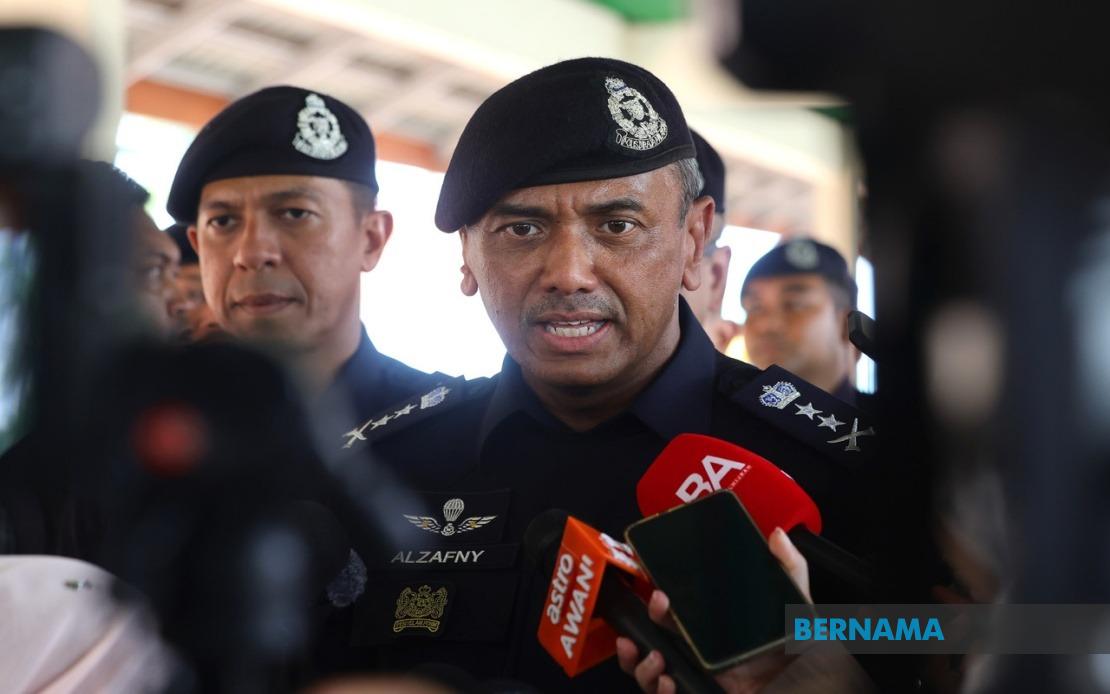
The nomination phase of Negeri Sembilan's 16th state election concluded smoothly on July 18, with law enforcement agencies reporting no significant security concerns or disturbances at any of the eight registration centres operating throughout the state. State police chief Datuk Alzafny Ahmad confirmed the orderly progression of events, underscoring that all participating political parties and their supporters demonstrated compliance with police directives and maintained discipline during the crucial nomination period that ran from morning through midday.
Police deployment figures reveal the magnitude of preparation undertaken to facilitate the election process. A total of 2,373 officers and personnel were strategically stationed across nomination centres to establish a security perimeter, manage vehicle and foot traffic, and ensure a controlled environment conducive to the registration of candidates. This substantial police presence served dual purposes: preventing potential confrontations between rival party supporters whilst simultaneously maintaining the orderly flow of nomination activities without unnecessary delays or administrative bottlenecks.
Supporter turnout varied considerably across the state's nomination zones. Jempol nomination centre drew the highest attendance, with approximately 2,500 individuals representing the contesting parties. In contrast, Kuala Pilah recorded the lowest participation, attracting roughly 1,000 supporters. The remaining six centres registered figures falling comfortably within the 1,000 to 2,500 range, suggesting relatively balanced geographic distribution of campaign enthusiasm across Negeri Sembilan's electoral landscape.
Beyond logistical management, Datuk Alzafny used the occasion to issue a clear directive addressing the conduct expected from candidates throughout the forthcoming campaign period. His guidance specifically cautioned politicians against introducing controversial discourse touching upon the three R's—religion, royalty, and race—areas historically prone to triggering communal sensitivities in Malaysia's multicultural political environment. This preemptive messaging reflects law enforcement's proactive approach to preventing inflammatory rhetoric that could provoke public anxiety or undermine social cohesion.
The police chief further elaborated on the boundaries expected during campaign activities, urging all contesting parties and their representatives to emphasise their respective strengths and policy platforms rather than engaging in mudslinging tactics. Statements containing elements of provocation, incitement, slander, or calculated attempts to generate racial animosity would contravene the understood parameters governing electoral conduct. Such restrictions form part of Malaysia's broader electoral framework designed to ensure campaigns remain substantive rather than destructive to community relations.
Practical reminders also featured prominently in Datuk Alzafny's address to candidates. He underscored that safety regulations remained in effect throughout campaign activities, specifically highlighting the requirement that motorcycle riders comply with helmet laws whilst navigating through villages and residential areas. This seemingly routine observation carries symbolic weight, signalling that electoral competition operates within a broader societal rule of law that transcends partisan considerations.
Coordination between law enforcement and the Election Commission has been institutionalised through the establishment of dedicated monitoring teams specifically tasked with overseeing compliance throughout the campaign phase. These joint mechanisms represent a systematic approach to election administration, moving beyond ad hoc security responses to embed oversight into the electoral infrastructure itself. Such arrangements enable real-time intervention should violations emerge during the campaign period.
The Electoral Commission has established a clear timeline for the remaining phases of Negeri Sembilan's electoral process. Early voting will be conducted on July 28, providing opportunities for designated voter categories to cast ballots ahead of the main polling day. The general election itself is scheduled for August 1, offering registered voters across the state the opportunity to select their representatives. This compressed calendar means the campaign phase spans merely two weeks, concentrating political activity within a defined window.
For Malaysian observers and regional analysts, Negeri Sembilan's nomination proceedings reflect a mature, well-coordinated approach to election administration. The absence of security incidents despite the partisan tensions inherent in electoral competition suggests effective police planning and genuine acceptance of democratic norms among participating parties. The emphasis on monitoring campaign content and ensuring compliance with conduct standards indicates Malaysia's ongoing refinement of electoral governance mechanisms.
The state election assumes particular significance within Malaysia's current political landscape, as various coalitions continue repositioning themselves in response to shifting national dynamics. Negeri Sembilan's results will provide insight into voter preferences amid this flux, with implications potentially extending beyond state boundaries. Early voting mechanisms introduced for this election represent incremental democratisation, accommodating voters unable to participate on the main polling day.
The orderly progression of nomination activities also underscores the stability that underpins Malaysia's electoral system despite periodic political turbulence. When procedural aspects function without disruption, the focus naturally shifts toward substantive campaign issues—policy platforms, candidate credentials, and governance visions that should legitimately occupy electoral discourse. Police success in maintaining order creates the conditions enabling such substantive engagement.

