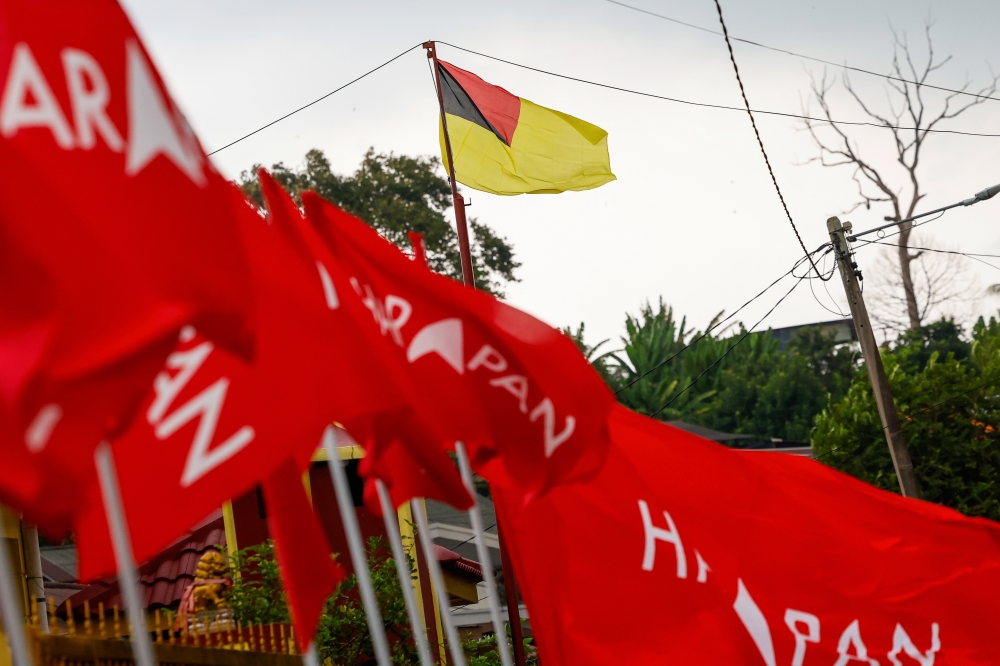
The Negeri Sembilan contingent of the Royal Malaysia Police has initiated two separate investigation papers in response to property damage incidents tied to election conduct, marking the authorities' commitment to maintaining order during the politically sensitive campaign period. The move comes as electoral activities continue to generate tension in the state, with police responding swiftly to allegations of mischief that extend beyond typical campaign rhetoric into the realm of criminal conduct affecting residential and commercial property.
Property destruction during election campaigns represents a persistent challenge for Malaysian law enforcement agencies, particularly in states where political competition remains intense. Such incidents, while sometimes dismissed as isolated acts of supporters' enthusiasm, undermine public confidence in the electoral process and create an environment where civil discourse deteriorates. The Negeri Sembilan police's decision to open formal investigation papers signals that authorities are taking these matters seriously rather than relegating them to the category of minor infractions that receive perfunctory attention.
The specific nature of the property damage cases remains significant for understanding the scale and pattern of election-related misconduct in the state. When multiple investigation papers are opened rather than consolidated under a single case file, it typically indicates that the incidents are geographically dispersed or involve different categories of offences. This suggests a broader pattern rather than an isolated incident, which would naturally prompt police to dedicate greater investigative resources and pursue multiple leads simultaneously.
Election-period misconduct has become increasingly scrutinised across Southeast Asia, where governments and independent observers recognise that the integrity of democratic processes depends not merely on voting procedures but also on the conduct of all parties leading up to election day. Malaysia's experience reflects broader regional concerns about maintaining electoral credibility while respecting the right to campaign vigorously. The police investigations serve as a reminder that freedom of political expression, however essential, does not extend to destruction of property or other criminal acts, regardless of which party's supporters may be implicated.
From a local governance perspective, the incidents highlight vulnerabilities in election management at the state level. Negeri Sembilan, like other Malaysian states, faces the dual challenge of facilitating robust political competition while protecting citizens and their property from the fallout of that competition. The property damage cases may prompt state authorities to implement enhanced monitoring systems or establish clearer protocols for responding to election-related disturbances before they escalate into criminal matters that require formal police investigation.
The investigative approach adopted by Negeri Sembilan police reflects standard Malaysian law enforcement procedures for handling election-related complaints. Police typically classify such offences under various sections of the Penal Code, depending on the specific acts involved. Property damage could fall under provisions addressing criminal intimidation, mischief causing loss or damage, or in more serious cases, vandalism or destruction motivated by political affiliation. The classification ultimately affects both the severity of potential penalties and the nature of the investigative procedures employed.
Political analysts observing Malaysian electoral dynamics note that property-related election misconduct often correlates with periods of heightened political intensity or when particular constituencies witness competitive contests between evenly matched candidates or parties. The incidents in Negeri Sembilan may therefore serve as a barometer indicating where political sentiment runs particularly deep and where election observers should anticipate closer scrutiny of campaign conduct. Understanding these geographic and political patterns helps stakeholders identify areas requiring preventive interventions before tensions boil over into unlawful activity.
The police investigations also carry implications for how political parties are held accountable during campaign periods. While individual perpetrators bear responsibility for criminal acts, political organisations face growing pressure to demonstrate that they do not implicitly encourage or tolerate supporters' misconduct. Malaysian political parties, particularly those contesting vigorously in state-level contests, must balance maintaining supporter enthusiasm with enforcing internal standards that discourage illegal campaign tactics. Failure to do so risks reputational damage that can extend beyond the immediate election cycle.
From an institutional perspective, the Negeri Sembilan police's proactive stance in opening investigation papers demonstrates that Malaysian law enforcement agencies are responding to concerns about election-period lawlessness. This approach differs markedly from treating election misconduct as an inevitable nuisance that authorities largely tolerate. By formally documenting and investigating allegations, police create an evidentiary record that serves multiple purposes: establishing accountability for specific individuals, creating a deterrent effect for would-be offenders, and providing data that can inform future election management strategies.
The implications of these investigations extend beyond Negeri Sembilan itself, resonating across Malaysia's broader electoral landscape. Other state police contingents monitoring developments will likely adopt similar investigative postures when confronted with election-related property damage. This emerging consistency in enforcement creates a more uniform standard nationwide and signals to political actors across the country that authorities take election conduct violations seriously, irrespective of which party's supporters may be involved.
As the investigations proceed, several outcomes are possible. Police may identify and charge individuals suspected of property destruction, leading to court proceedings that establish precedents for how Malaysian courts treat election-related criminal conduct. Alternatively, investigations might uncover coordination between individuals that suggests organised rather than spontaneous misconduct, which would carry more serious implications for the implicated organisations. Regardless of specific outcomes, the investigation process itself reinforces the principle that elections, while occasions for vigorous political competition, must remain bounded by the law.

