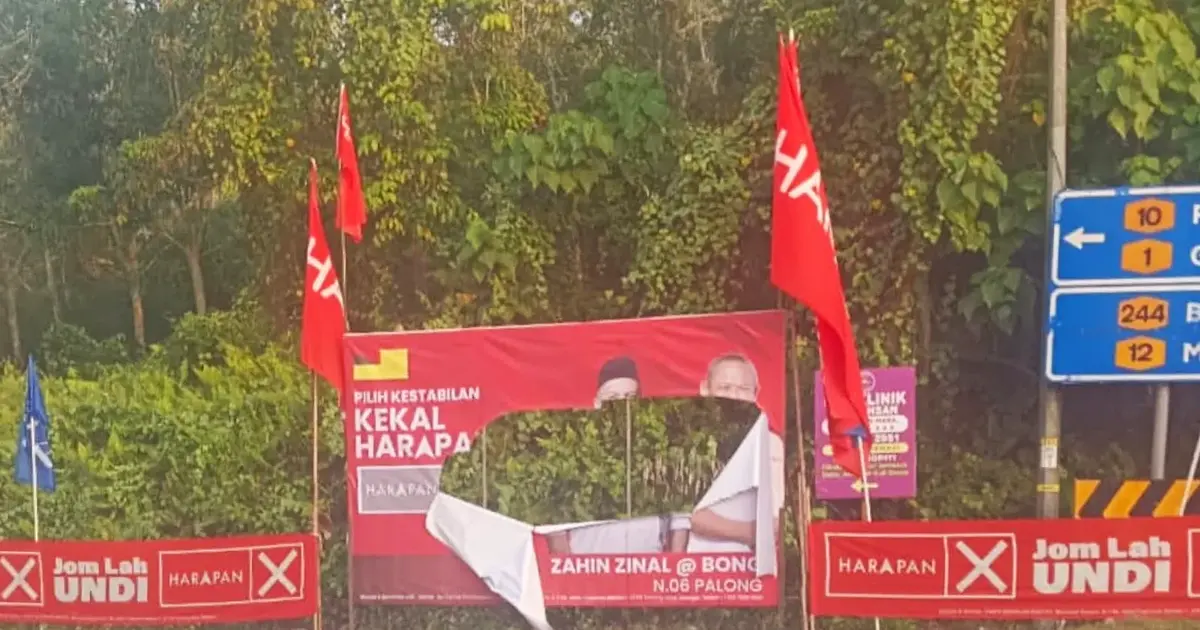
Police in Negeri Sembilan have initiated 14 separate investigations into offences connected to election activities, marking an escalation in law enforcement attention to campaign-related misconduct in the state. The police action reflects growing concerns about the maintenance of electoral integrity and public order as campaign periods intensify across the country.
Among the incidents under investigation are cases in which political party flags have been deliberately set ablaze, an act that goes beyond mere vandalism and speaks to heightened tensions surrounding the electoral process. Such inflammatory behaviour—both literally and figuratively—raises questions about the civility of campaign discourse and the respect for political symbols that different communities hold dear. The deliberate burning of flags associated with political parties constitutes a serious breach that authorities have determined warrants formal investigation and potential criminal charges.
Beyond flag-burning incidents, police are examining multiple cases of campaign materials that have been damaged or defaced. Campaign banners, which serve as the visual backbone of candidate outreach efforts, have been subject to destruction across various locations in Negeri Sembilan. These materials represent substantial financial investments by political parties and candidates, and their systematic removal or damage can disrupt campaign schedules and messaging strategies. The pattern of such vandalism suggests that some individuals view election campaigns as opportunities to undermine rival political aspirations through destructive means.
Billboards advertising candidates and party platforms have also fallen victim to vandalism, further complicating the campaign landscape. Outdoor advertising infrastructure represents a critical channel through which political organisations communicate their positions and accomplishments to voters. When such infrastructure is deliberately targeted, it not only damages property but potentially distorts the information environment in which voters must make their electoral choices. The prevalence of billboard vandalism across Negeri Sembilan indicates a coordinated or at least widespread disregard for the regulatory frameworks governing campaign conduct.
The opening of 14 separate investigation files underscores the manpower and resources that Negeri Sembilan's police force is dedicating to election-related matters. Each file suggests a distinct incident or cluster of related offences, indicating that these are not isolated incidents but rather part of a broader pattern of election-period disruption. The decision to formalise these investigations through individual probe papers demonstrates official recognition that such behaviour requires systematic scrutiny and potential prosecution under relevant laws.
Election-related offences in Malaysia are typically prosecuted under various provisions, including regulations governing political assembly, property damage, and public order. The escalation to formal investigation status means that police will be gathering evidence, interviewing witnesses, and building cases that could result in charges against individuals identified as responsible. This procedural step signals that authorities view these matters seriously and are not dismissing them as mere campaign-trail roughhousing.
For Malaysian voters and political observers, the prevalence of such offences raises fundamental questions about democratic conduct and the boundaries of acceptable political expression. While vigorous debate and competitive campaigning are hallmarks of democratic systems, the crossing into destructive or violent behaviour undermines the shared civic commitments necessary for stable electoral processes. The incidents in Negeri Sembilan serve as a reminder that maintaining democratic standards requires not only institutional mechanisms but also cultural norms that prohibit certain forms of political competition.
The timing of these investigations is significant within the broader Malaysian political calendar. Election periods typically see heightened emotions and intensified partisan activity, creating conditions in which some individuals may resort to illegal or unethical conduct. By actively investigating and pursuing offenders, police send a message that such behaviour carries consequences, potentially deterring similar incidents elsewhere or in future campaigns. However, enforcement patterns also merit scrutiny to ensure that investigations are applied impartially across all political parties and constituencies.
For Negeri Sembilan specifically, these investigations reflect the state's role as both a political battleground and a testing ground for Malaysia's electoral system. As a state with a mixed political landscape and competitive electoral dynamics, Negeri Sembilan often experiences the kinds of grassroots campaign intensity that can occasionally boil over into misconduct. The 14 investigations suggest that local authorities are taking proactive steps to manage these dynamics and preserve electoral legitimacy.
The broader implications for Southeast Asia are noteworthy as well. Regional democracies continue to grapple with balancing freedom of expression and assembly with the need to maintain orderly electoral processes. The approach taken by Negeri Sembilan police—formal investigation and potential prosecution—represents a law-enforcement-centric model that contrasts with other approaches that might emphasise dialogue, mediation, or administrative remedies. Each strategy carries different implications for democratic culture and the relationship between political actors and state institutions.
Moving forward, the outcomes of these 14 investigations will likely influence how election-related offences are treated in future campaigns across Malaysia. Convictions and acquittals will establish precedents regarding the seriousness with which courts view vandalism and flag-burning in political contexts. Additionally, media coverage of these investigations may influence voter perceptions of campaign conduct and party discipline, potentially rewarding or punishing organisations associated with such behaviour through electoral outcomes.

