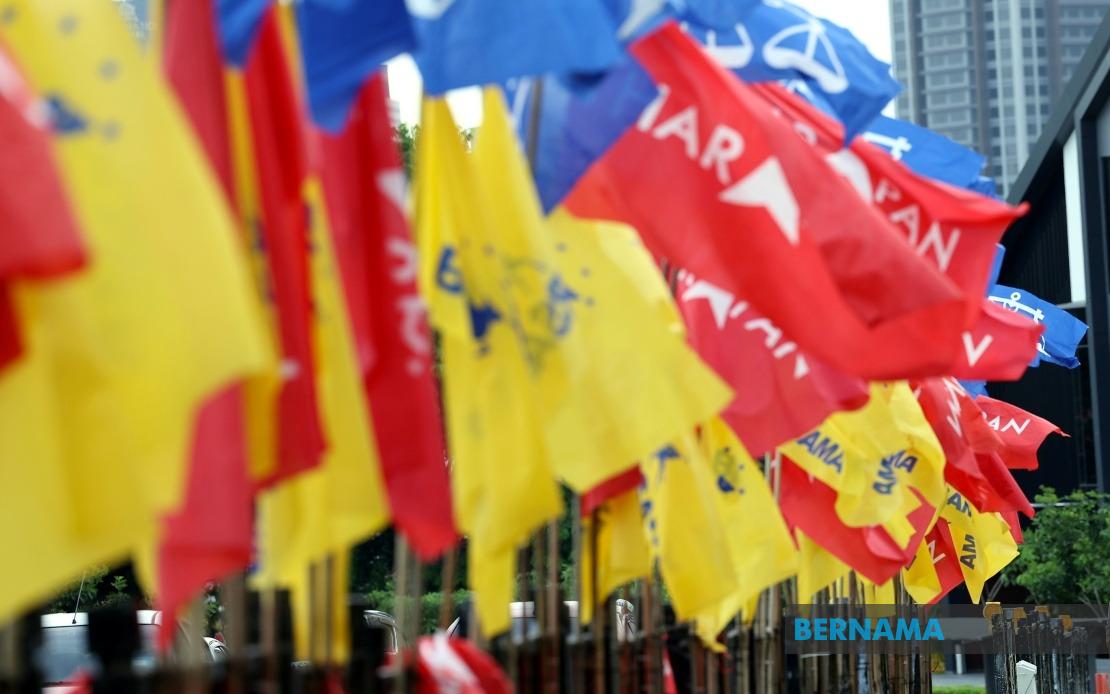
Police in Negeri Sembilan have given the green light to 19 permit applications for ceramah and political campaign activities submitted since mid-July, all of which met the required regulatory standards for the state's upcoming legislative assembly election. Datuk Alzafny Ahmad, the state police chief, confirmed the approvals came after each application satisfied the stipulated conditions, marking a straightforward approval process in the lead-up to voting day.
While the permits have been granted, Alzafny made clear that the police will maintain active oversight of all political programmes and gatherings throughout the campaign period. The authorities intend to ensure that every event operates within the legal framework and presents no threat to community safety or public order. This supervisory approach reflects the standard protocol adopted during election periods across Malaysia, where law enforcement balances the democratic right to campaign with the imperative to maintain stability.
The security landscape across Negeri Sembilan has remained calm and orderly since the dissolution of the 36-seat state legislature on June 5, according to police assessments. Only a single police report linked to election-related matters has been lodged so far, and investigators have not yet initiated any formal probes into alleged election offences. This low-incident profile suggests that the campaign environment has been largely incident-free, a positive indicator as the state heads toward the August 1 polling date.
Police have signalled their determination to sustain and even strengthen their vigilance, monitoring capabilities, and enforcement operations throughout the remainder of the electoral cycle. Alzafny emphasised that any breaches of election law or regulations would be confronted with decisive action, administered with fairness and professional integrity. The message underscores the police's commitment to a level playing field and their resolve to prevent infractions from undermining the electoral process.
For Malaysian voters and observers, this enforcement stance carries practical implications. The police's willingness to prosecute violations—whether related to campaign financing, illegal gatherings, or conduct breaches—helps sustain confidence in the integrity of the democratic exercise. In a region where election-related tensions can occasionally surface, a police force that combines permissiveness toward legitimate campaigning with firm action against genuine transgressions sets the conditions for peaceful transitions of power.
The approval of 19 permits also reflects active participation by political parties and candidates utilising grassroots engagement tools, particularly ceramah, which remain a cornerstone of electioneering in Malaysia. These public forums allow contenders to articulate their platforms, engage constituents, and build support directly. The volume of permits approved indicates robust campaign activity across the state, suggesting that multiple parties and aspirants are mounting serious electoral efforts.
Police extended their call to the public to uphold the law, respect democratic protocols, and extend full cooperation to law enforcement personnel stationed throughout the electoral period. This appeal acknowledges that election security is a shared responsibility, requiring public participation and awareness alongside official efforts. Voters and residents who report concerns or violations to authorities contribute meaningfully to maintaining the conditions necessary for free and fair polling.
The 16th Negeri Sembilan State Election unfolds against Malaysia's broader democratic calendar, where state contests provide important indicators of voter sentiment and political dynamics between general elections. The conduct and security profile of this election may offer insights into emerging trends within the state's political landscape and offer lessons applicable to future electoral exercises elsewhere in the federation. A smooth, orderly campaign period strengthens the credibility of the eventual outcome.
With early voting set for July 28 and main polling day on August 1, the police framework is now substantially in place. The permit approvals represent one layer of this institutional readiness. Training, deployment of personnel, coordination protocols, and contingency planning have presumably progressed in parallel, creating a comprehensive security posture. The challenge ahead lies in executing this plan consistently over the coming weeks.
For Southeast Asian observers, Negeri Sembilan's election preparations exemplify how a mature electoral system manages the inherent tensions between permitting political freedom and preserving public order. The balance struck by approving campaign permits while maintaining robust monitoring demonstrates governance competence. As the region navigates various electoral cycles, with democratic institutions under occasional strain, Malaysia's example of combining openness with accountability offers a relevant reference point for neighbouring democracies.
The police's explicit refusal to tolerate violations, coupled with their acknowledgement of a currently stable environment, projects both confidence and vigilance. This dual posture—neither complacency nor heavy-handedness—reflects best practice in election security management. As Negeri Sembilan moves into the final intensive phase of campaigning, the approved permits and police preparedness set the conditions for the state's democratic exercise to proceed as intended.

