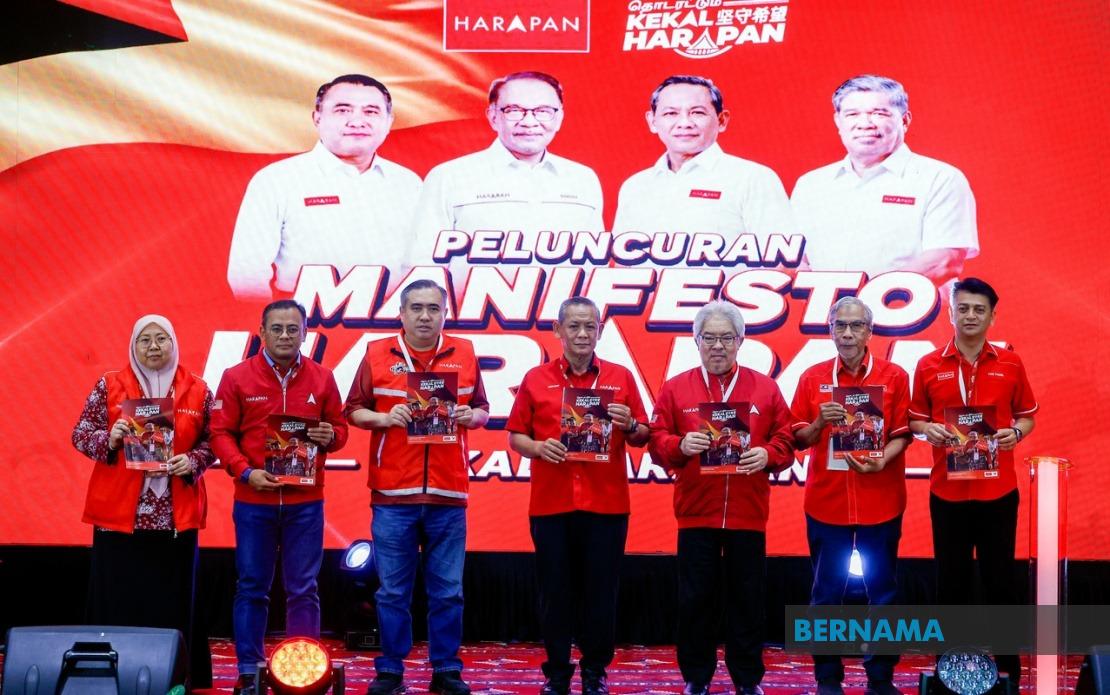
Pakatan Harapan's coalition leadership in Negeri Sembilan is presenting the upcoming state election as a referendum on proven governance rather than aspirational campaign rhetoric. Datuk Seri Aminuddin Harun, the state's Menteri Besar and PH coalition chairman, unveiled the manifesto themed 'Negeri Sembilan Kekal Harapan' (Negeri Sembilan Stays With Harapan) at a press conference in Seremban on July 20, framing the 10 key commitments as extensions of the coalition's eight-year tenure in the state.
The strategic reframing of an election manifesto around consolidation rather than expansion reflects a particular confidence in PH's administrative record and may signal the coalition's assessment that incremental improvement resonates more effectively with voters than transformative promises. In Malaysian electoral politics, where manifesto commitments often face public scrutiny and voter disappointment, Aminuddin's emphasis on strengthening and enhancing existing programmes rather than launching entirely new initiatives represents a calculated approach to managing expectations.
The coalition's eight years in office have established a baseline of programmes and policies across Negeri Sembilan's governance landscape. Rather than proposing wholesale policy shifts, PH appears to be positioning the next electoral cycle as an opportunity to deepen the impact of these initiatives. This continuity strategy becomes particularly important in the context of Malaysian state politics, where administrative competence and visible results often determine voter behaviour more reliably than aspirational visions of future development.
Aminuddin articulated a clear distinction between the coalition's first mandate and the prospective second term. During the initial period, PH concentrated on establishing new programmes and setting policy direction. The subsequent five-year cycle, according to the Menteri Besar's framing, would involve maturation of these systems, enhanced implementation capacity, and measurable outcomes. This progression narrative acknowledges that governance improvements require time and institutional development beyond what a single electoral term can achieve.
The emphasis on building a sustainable foundation for Negeri Sembilan that extends benefits to future generations introduces an intergenerational dimension to PH's electoral pitch. Rather than focusing narrowly on immediate gratification or short-term deliverables, the manifesto appeals to voters' longer-term interests in state economic stability and institutional quality. This framing may particularly resonate with younger voters and families evaluating educational and economic opportunities across Malaysia's various states.
Negeri Sembilan's position in Malaysia's political landscape makes this election significant beyond the state itself. As a traditionally competitive state where both major political coalitions have held power, electoral outcomes here often signal broader trends in Malaysian voter sentiment. The PH coalition's decision to emphasise consolidation and enhanced delivery rather than dramatic policy promises suggests confidence in the coalition's regional resilience and awareness that Negeri Sembilan voters reward administrative effectiveness.
The manifesto's ten key commitments remain the substantive foundation of PH's electoral appeal in the state. Without the complete list detailed in the announcement, the precise policy areas receiving emphasis remain partially obscured. However, Aminuddin's language suggests these commitments likely span areas where the coalition has already established active programmes—potentially including education, healthcare, infrastructure, and economic development initiatives that have progressed through the coalition's first mandate.
Pakatan Harapan's approach in Negeri Sembilan also reflects lessons learned from previous Malaysian elections where ambitious manifestos created voter disillusionment when implementation faced budgetary, bureaucratic, or political obstacles. By prioritising the refinement and strengthening of existing commitments, the coalition reduces vulnerability to criticism that new promises remain unfulfilled. This defensive strategy acknowledges the political costs of overpromising in the intensely competitive Malaysian electoral environment.
The timing of the manifesto launch and Aminuddin's positioning as a dual candidate—contesting the Linggi state seat while leading the coalition—provides personal stakes in the electoral outcome that reinforce his credibility when discussing implementation capacity. His continued participation as a frontline candidate suggests the coalition views the Negeri Sembilan contest as winnable and worth senior leadership investment during the campaign phase.
For Malaysian voters evaluating coalitions and state governments across the peninsula, Negeri Sembilan's election offers a test case in how political parties manage the transition from initial mandates to consolidation phases. Aminuddin's emphasis on deepening existing programmes rather than launching new initiatives provides a template for understanding how competitive state coalitions navigate the tension between satisfying voter demands for change and maintaining administrative focus on effective governance. The electoral results will indicate whether Negeri Sembilan voters reward this pragmatic approach or whether they remain more responsive to promises of transformative change.

