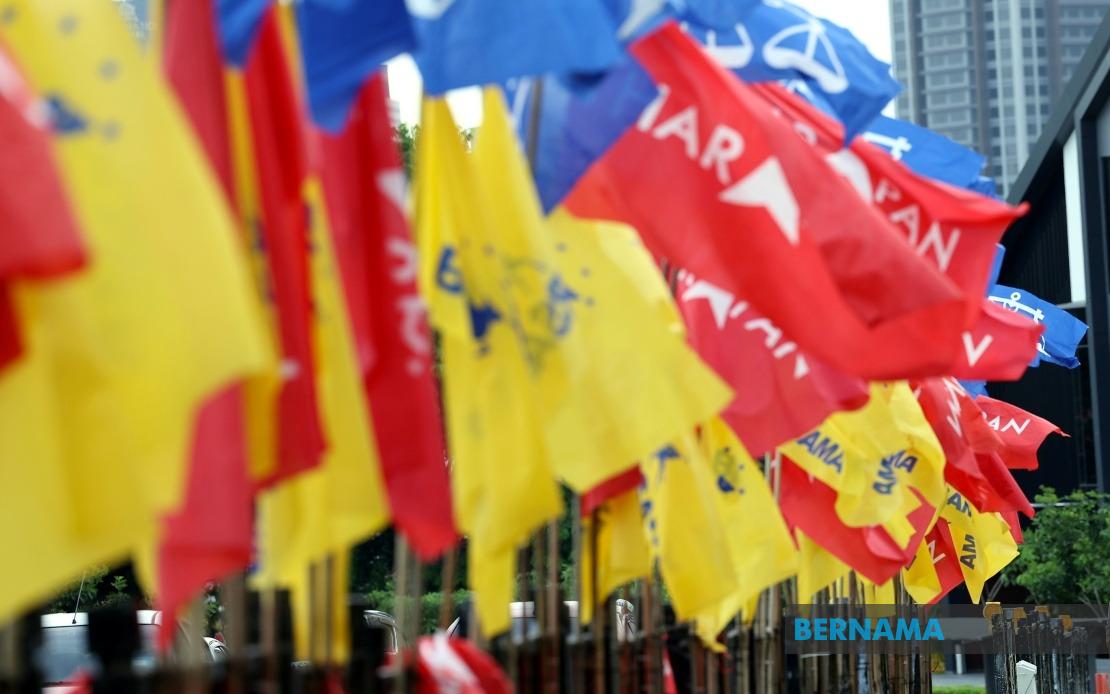
The Negeri Sembilan Palace has issued a clear directive to all political parties participating in the upcoming state election to refrain from referencing or involving the royal institution in their campaign messaging and public activities. In a formal statement, Datuk Azizi Mohamad Ali, who serves as Comptroller of the Negeri Sembilan Royal Household, stressed that the palace maintains an unwavering commitment to political impartiality and refuses to endorse any party or political endeavour.
The timing of this declaration reflects growing concern within Malaysia's constitutional monarchy about the potential misuse of royal imagery and institutional credibility during electoral contests. Political campaigns in Malaysian states have periodically attracted scrutiny when candidates or parties attempt to invoke royal support or align themselves with the institution, a practice that undermines the monarchy's foundational role as a symbol transcending party divisions. The palace's intervention seeks to establish clear boundaries before campaigning intensifies in the coming weeks.
According to Azizi, the monarchy's essential function extends beyond ceremonial duties to encompass safeguarding Negeri Sembilan's social cohesion, political stability, and collective prosperity. When political actors misappropriate royal symbolism or falsely suggest backing from the palace, they risk eroding public confidence in institutions that should remain above partisan contestation. The comptroller's statement therefore reasserts a constitutional principle that underpins Malaysia's stability: the separation between the crown and party politics.
The palace categorically denied any association with political parties, explicitly warning that statements, images, videos, or other materials falsely linking the institution, His Royal Highness the Ruler, or members of the royal family to any party are fabrications. This clarification suggests that such misattribution may already have occurred or that the palace anticipates attempts to exploit royal imagery during the 16th Negeri Sembilan state election. By issuing this preemptive statement, the institution aims to delegitimise any such claims before they gain traction among voters.
All candidates seeking office in the election have been advised to exercise particular restraint regarding three sensitive domains: religious matters, royal institution, and racial issues, collectively known as the 3R framework. This guidance reflects Malaysia's constitutional and cultural awareness that certain topics carry heightened risks of social division. Campaigns conducted with prudence, ethical standards, and legal compliance are essential to preserving the state's harmony and preventing the inflammatory rhetoric that occasionally characterises competitive electoral periods.
The palace's appeal extends to the broader public as well, urging citizens to exercise critical discernment and avoid amplifying unverified claims circulating on social media or through informal networks. Misinformation regarding royal support for particular candidates can spread rapidly, particularly during the intensity of an election campaign. By directing the public to seek information exclusively through official palace channels, the comptroller encourages voters to consult reliable sources rather than viral content or hearsay that may distort the institution's actual positions.
Negeri Sembilan's political landscape carries particular significance within Malaysia's federal structure. As one of the nation's constituent states with its own legislative assembly and executive council, state elections there influence broader regional dynamics and occasionally provide insight into shifting voter preferences across the country. The palace's intervention thus carries weight extending beyond Negeri Sembilan's borders, signalling to political actors nationwide the monarchy's determination to maintain institutional integrity during electoral processes.
The state legislative assembly was formally dissolved on June 5, formally triggering the electoral calendar and initiating the campaign period. Early voting has been scheduled for July 28, with the main polling day set for August 1. This compressed timeline intensifies pressure on candidates and parties to mobilise supporters rapidly, creating additional risk that in their haste they might resort to problematic tactics, including misappropriating royal symbolism or inflammatory rhetoric concerning protected domains.
The palace's proactive communication strategy demonstrates awareness that institutional neutrality requires consistent, transparent assertion during electoral cycles. Rather than waiting for complaints or incidents to emerge, the comptroller has established expectations upfront, thereby creating grounds for accountability should parties subsequently violate these principles. This approach aligns with similar warnings issued by royal institutions in other Malaysian states during their respective election campaigns, reflecting an institution-wide commitment to safeguarding constitutional values.
For Malaysian voters and observers, the palace's statement underscores a fundamental feature of the nation's constitutional framework: the monarchy operates as a stabilising force transcending the ideological and organisational divisions that characterise party politics. By rejecting attempts to instrumentalise its prestige for electoral advantage, the Negeri Sembilan institution reinforces the principle that sustained democratic governance depends upon certain institutions remaining insulated from competitive partisan struggles. This distinction, maintained conscientiously across successive election cycles, has historically contributed to Malaysia's relative political stability compared to democracies where institutional boundaries prove more permeable.
The palace's emphasis on official communication channels also highlights the information environment within which modern elections unfold. Digital platforms enable rapid dissemination of claims, visual content, and fabrications that state institutions struggled to counter even a decade ago. By establishing clear protocols for authentic information, the palace seeks to maintain public trust in official statements whilst discouraging reliance on unverified sources claiming to represent institutional positions. This emphasis on communication discipline will likely influence how candidates and parties conduct their campaigns across traditional and digital media throughout the election period.

