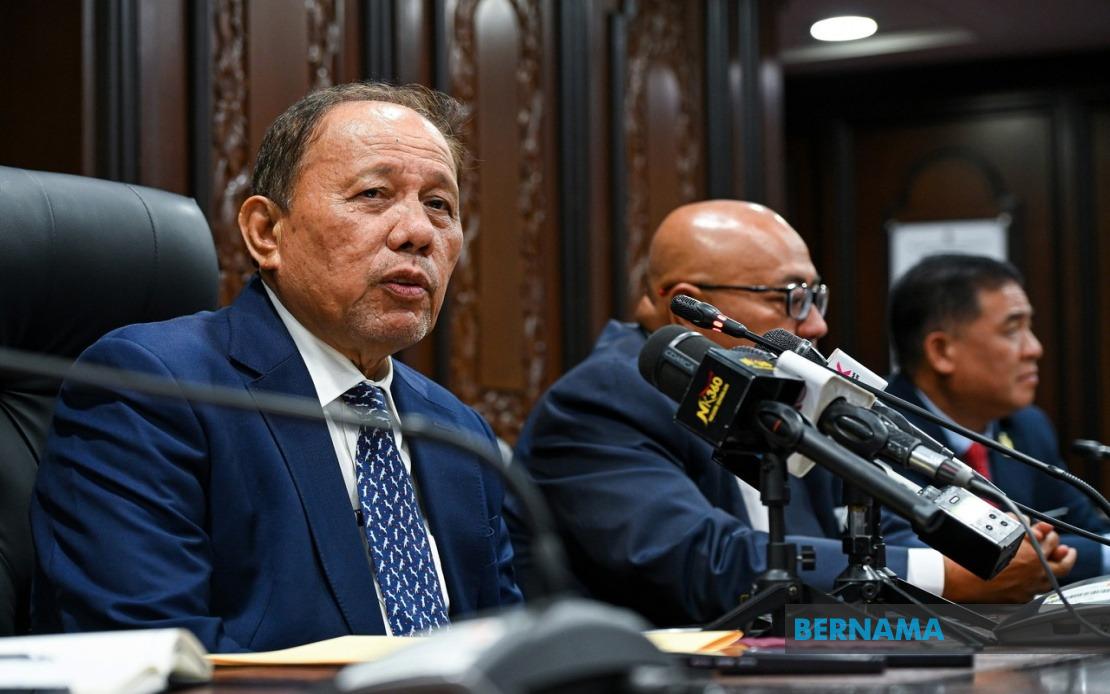
The Negeri Sembilan state government has committed to freezing residential assessment tax rates for the next five years, a decision that signals its prioritisation of housing affordability amid mounting cost-of-living pressures affecting Malaysian households. Menteri Besar Datuk Ismail Lasim unveiled the initiative during the first State Executive Council meeting following the recent state election, positioning the measure as a direct response to public concerns about escalating residential expenses.
This moratorium represents a significant reprieve for homeowners in Negeri Sembilan, as local authorities had been in the process of reviewing assessment tax structures with implementation originally slated for January or July. The freeze maintains the existing tax framework without adjustment, effectively insulating residents from inflation-driven increases that typically accompany municipal fee reviews. The decision underscores growing political sensitivity around residential costs, particularly as property ownership and maintenance expenses increasingly strain middle-income families throughout Southeast Asia.
The move fulfils a key manifesto commitment made by Barisan Nasional during the 16th Negeri Sembilan State Election, demonstrating the incoming administration's intent to deliver on campaign promises during its initial phase of governance. Assessment tax, while a relatively modest charge compared to property purchase prices or mortgage obligations, accumulates over time and affects household budgets cumulatively with other municipal levies. By securing a five-year reprieve, the state government provides residents with budgeting certainty and reduces the administrative burden of tax adjustments for property owners.
Ismail emphasised that this decision reflects the administration's broader philosophy of easing financial pressures on ordinary citizens, though he did not elaborate on alternative revenue mechanisms that the state might pursue to offset delayed collection increases. This raises questions about municipal sustainability and how local authorities will manage service delivery and infrastructure maintenance without enhanced funding streams—a challenge increasingly familiar to local governments across Malaysia grappling with constrained finances.
The Menteri Besar also outlined the parliamentary agenda for the upcoming first special session of the 16th Negeri Sembilan State Legislative Assembly, scheduled for August 18. The sitting will encompass ceremonial proceedings including the swearing-in of all state assemblymen and the selection of key legislative leadership positions. Both the Speaker and Deputy Speaker appointments carry symbolic and practical significance in determining the assembly's procedural direction and legislative efficiency.
Ismail revealed that the Deputy Speaker position has already been identified from among sitting state assemblymen, with an announcement forthcoming within a week. The Speaker position, which constitutionally must be filled by a non-member of the legislative assembly—typically a respected figure drawn from civil society, academia, or business—remains under deliberation despite a candidate having been identified. This deliberate approach suggests careful consideration of who will preside over legislative proceedings during a period potentially marked by coalition management and policy implementation.
Beyond fiscal announcements, Ismail articulated expectations for his executive team, emphasising that Exco members must demonstrate unwavering dedication, integrity, and professionalism across their respective portfolios. This framing suggests the administration intends to operate with heightened accountability standards and clear departmental responsibilities. His emphasis on coordinated teamwork while maintaining individual portfolio leadership reflects modern governance best practices, yet also hints at potential coordination challenges that new administrations often encounter during transition periods.
The first special session will also feature tabling of an additional budget to address immediate state financial priorities that have accumulated or emerged during the transition period. This supplementary allocation provides the government flexibility to respond to urgent infrastructure, welfare, or administrative needs without awaiting the regular budget cycle. Such interim funding mechanisms are common following electoral transitions but typically indicate either unforeseen pressures or projects delayed pending new administration approval.
For Malaysian observers, Negeri Sembilan's assessment tax freeze offers relevant insights into post-election governance patterns. The decision balances electoral promises with practical administration, though it remains uncertain how the state will sustain municipal services and infrastructure development without enhanced revenues from property taxation. The freeze's five-year duration extends beyond typical election cycles, suggesting confidence in sustained political support but also potential constraints on future administrations' fiscal flexibility.
The broader context involves mounting cost-of-living pressures affecting Malaysian households, particularly regarding housing-related expenses. Assessment tax, while not the largest residential expense, symbolises government commitment to preventing cumulative fee increases that compound housing affordability challenges. However, deferring revenue increases may prove problematic for local authorities tasked with maintaining roads, water systems, waste management, and other essential services in residential areas.

