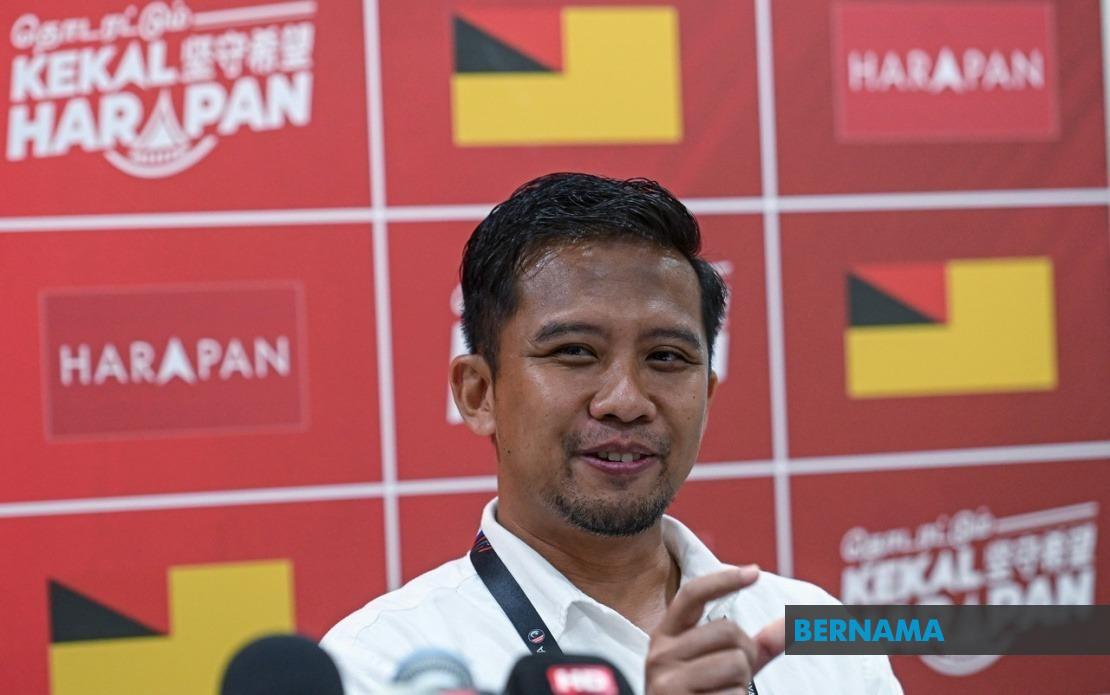
The campaign for the 16th Negeri Sembilan State Election has entered a decisive final phase as candidates race to secure voter support in the closing stretch. With only four days remaining before polling day on August 1, the 103 contenders vying for the 36 state assembly seats are deploying every available tool and tactic to gain traction across their constituencies. The intensity of grassroots engagement has notably escalated, with candidates recognising that the final week often proves pivotal in determining electoral outcomes in Malaysian state contests.
Candidates are leveraging an increasingly diversified campaign arsenal that blends time-tested methods with modern digital outreach. Beyond conventional ceramah sessions and door-to-door canvassing, which remain cornerstones of Malaysian electoral campaigns, contenders are now experimenting with community participation in local events and activities. This shift reflects a broader understanding among political strategists that voters increasingly seek authentic, personal connections with their representatives rather than purely formal political messaging. The approach mirrors trends seen across Southeast Asia, where successful campaigns increasingly emphasise candidate accessibility and demonstrated concern for community wellbeing.
In the Rantau constituency, Pakatan Harapan candidate Dr Azizul Hakim Mahdi exemplifies this emerging campaign philosophy by stepping outside his established professional identity as a physician. During a recent community engagement, he demonstrated automotive maintenance skills by changing motorcycle engine oil alongside residents, deliberately positioning himself as someone familiar with diverse economic realities beyond the medical profession. This calculated informality serves a dual purpose: it signals to voters that their representative understands blue-collar livelihoods and respects vocational careers, while simultaneously humanising a candidate who might otherwise appear distant or overly professionalised.
Dr Azizul Hakim's messaging explicitly connects automotive sector work to economic opportunity and entrepreneurship, framing motorcycle servicing not merely as technical labour but as a viable pathway for young Malaysians seeking independence. Such framing carries particular resonance in Negeri Sembilan and surrounding states, where vocational employment and small-scale entrepreneurship remain significant employment categories. By legitimising these career paths, the candidate addresses underlying anxieties among younger voters concerning economic mobility and job security—concerns that have gained prominence across Malaysia in recent years.
The candidate further amplified his reach among younger demographics through carefully crafted social media messaging. His campaign slogan—"If you are sick, look for a doctor. If you are facing difficulties, look for YB. But if you are sick and facing difficulties, look for Dr Hakim"—employs wordplay and humour to create memorable messaging while subtly positioning him as a uniquely qualified representative capable of addressing both personal and collective challenges. This linguistic strategy proves effective in digital spaces where voters, particularly younger cohorts, engage primarily through platforms rewarding brevity and wit.
When not engaged in technical demonstrations, Dr Azizul Hakim has strategically participated in recreational activities with constituents, including football matches at community parks. These interactions provide informal settings where voters encounter their representative in relaxed circumstances, potentially reducing the psychological distance between elected officials and electorate. Such activities generate social media content showing candidates as approachable and community-minded, content that constituencies often share organically through personal networks—a form of grassroots amplification far more credible than formal advertising.
In the Labu constituency, Pakatan Harapan's Datuk Ahmad Faez Abdul Rahman employs comparable tactics, engaging voters through bowling competitions and night market walkarounds. His participation in the Bandar Enstek Veteran Bowling Championship at a commercial venue demonstrates awareness that contemporary campaign engagement increasingly occurs in spaces where citizens gather for leisure and commerce rather than explicitly political purposes. Following recreational participation, his transition to night market canvassing extends his reach into trading communities—a demographic particularly sensitive to economic policy decisions regarding business licensing, market infrastructure, and commodity pricing.
Barisan Nasional's campaign presence similarly reflects this diversification. In the Kota constituency, candidate Suhaimi Aini participated in traditional rice paddy fishing activities alongside UMNO Youth leadership. This engagement with agricultural constituencies and younger party members simultaneously targets rural voters concerned with agricultural sustainability and signals intergenerational engagement within the coalition. The choice of paddies specifically—a decreasingly common livelihood in increasingly urbanised Negeri Sembilan—carries symbolic weight, suggesting attention to communities experiencing economic transition and potential marginalisation.
The campaign's intensification occurs as early voting commences for military and police personnel and their eligible families. Approximately 22,339 service members and their spouses will cast ballots before general polling day, representing a significant bloc whose electoral preferences may differ from civilian populations. Military and security personnel often demonstrate distinct voting patterns influenced by pension considerations, service benefits, and institutional cultures. Their early participation means campaigns must address their specific concerns regarding defence and police budgets, service conditions, and institutional autonomy—issues that may not dominate civilian campaign discourse.
The staggered voting schedule, with early voting commencing at 8 am and closing times varying by location and voter numbers, creates logistical complexity that campaigns must navigate. Ensuring maximum turnout among sympathetic constituencies requires coordinated transport, reminder systems, and personalised outreach—resources that well-organised parties can mobilise more effectively. The early voting window also provides campaigns with early indicators of electoral momentum, potentially influencing final-week messaging and resource allocation.
With 103 candidates competing across 36 seats, the election presents a crowded field where candidate differentiation proves essential. The proliferation of contenders means many constituencies feature three or more serious candidates, fracturing the vote and making personality-driven campaigning particularly consequential. In such environments, a candidate's perceived connection to community concerns and demonstrated approachability can prove decisive, particularly among swing voters who remain genuinely undecided in the final campaign days. The unconventional campaign activities documented across constituencies suggest campaign strategists believe personal authenticity and visible community engagement now outweigh purely policy-focused messaging in determining electoral outcomes.
The final four days will likely see further intensification of this grassroots engagement as campaigns exhaust their remaining time and resources. Expect additional community participation events, accelerated social media posting, and concentrated door-to-door activity in identified swing precincts. Candidates will increasingly focus on converting undecided voters while consolidating support among their base. The effectiveness of these final-phase efforts may prove determinative in several constituencies, particularly those where polling predictions suggest genuinely competitive races. By August 1, voters in Negeri Sembilan will have encountered their representatives in settings far removed from traditional political venues, a circumstance that may ultimately influence their electoral choices.

