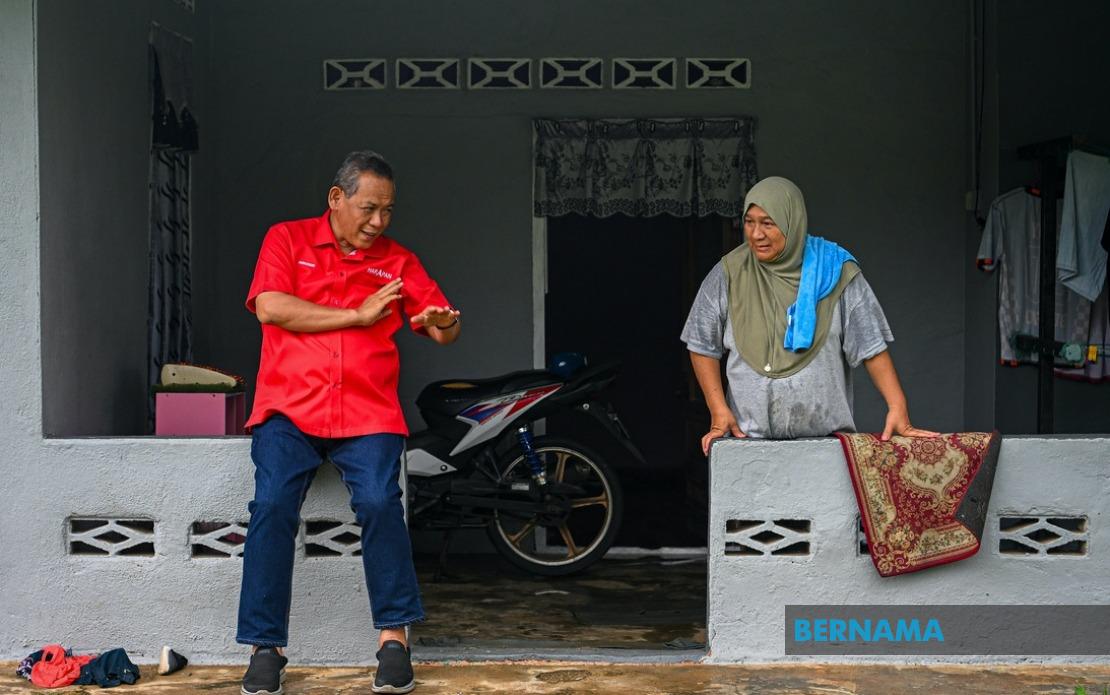
Pakatan Harapan is preparing for the Negeri Sembilan state election with a campaign strategy centred on the administrative credentials and public standing of Menteri Besar Datuk Seri Aminuddin Harun. The coalition believes that highlighting nearly two terms of scandal-free governance and service-focused leadership will persuade voters to renew their mandate at the ballot box on August 1. This emphasis on clean politics and institutional stability represents PH's core messaging as campaigning intensifies in the state.
According to PH's election director Datuk Seri Amirudin Shari, the coalition's message about accountable governance has struck a chord with voters during the initial days of the campaign. Feedback collected from party workers and grassroots activists across Negeri Sembilan indicates that Aminuddin's tenure as menteri besar continues to find favour among the electorate. The absence of major corruption cases or administrative scandals linked to the PH government appears to be a significant advantage as the coalition seeks to consolidate its position and secure additional support.
Amirudin, who also serves as Menteri Besar of Selangor and represents the Gombak parliamentary constituency, expressed satisfaction with the response encountered during initial campaign activities. He noted that while large rallies may not fully capture the groundswell of support, systematic feedback from party networks at the grassroots level provides evidence of voter receptiveness. The PH director's optimism reflects his conviction that early campaign momentum will translate into electoral gains when polling commences.
Beyond Aminuddin's personal credibility as both menteri besar and Port Dickson Member of Parliament, PH attributes its competitive positioning to an effectively mobilised grassroots machinery. The coalition has invested significantly in organisational capacity at the village and neighbourhood level, recognising that state elections in Malaysia are often decided by the strength of ground-level coordination and voter engagement. This structural advantage, combined with Aminuddin's reputation, forms the foundation of PH's defensive strategy in seats it currently holds while attempting to capture contested constituencies.
Prime Minister Datuk Seri Anwar Ibrahim's leadership and the broader achievements of the federal government constitute an additional asset for PH's campaign. Amirudin indicated that Anwar's active participation in canvassing and his standing with the public would provide tangible momentum to PH candidates. The PH director drew a parallel with the recent Johor state election, where federal leadership and national government performance appeared to bolster confidence in coalition candidates. Should similar dynamics emerge in Negeri Sembilan, this external factor could reinforce the benefits accruing from Aminuddin's established local legitimacy.
The coalition's manifesto, to be unveiled during the campaign, is designed to blend the continuation of ongoing development initiatives with fresh policy proposals aimed at sustaining economic progress and strengthening household livelihoods across Negeri Sembilan. This dual approach seeks to satisfy both voters who value continuity and stability and those demanding new momentum and additional improvements. The content and presentation of this manifesto may significantly influence voter perception in the final weeks before polling day.
Context from the previous state election provides a baseline for assessing PH's prospects in the coming contest. In the 2023 election, PH secured 17 seats, establishing it as the largest bloc in the 36-seat assembly. Barisan Nasional captured 14 seats, while Perikatan Nasional secured five. Retaining this majority while expanding its presence would strengthen PH's control over the state government and provide Aminuddin with a stronger mandate for his governance agenda. Any loss of seats would complicate the coalition's position and potentially alter the political calculus for the next two and a half years of the assembly's term.
The electoral contest will encompass nearly 890,000 registered voters across Negeri Sembilan, comprising regular voters and designated early voters from military and police personnel. This substantial electorate presents both opportunities and challenges for all contending coalitions. Mobilising such numbers requires disciplined organisation, clear messaging, and effective resource allocation—areas where established parties typically possess structural advantages. The size of the electoral roll also means that campaigns cannot rely on sporadic high-profile events alone but must sustain consistent engagement across diverse communities and constituencies.
Logistical arrangements for the election reflect standard procedures implemented in Malaysian state-level contests. The Negeri Sembilan State Legislative Assembly was dissolved on June 5, initiating the formal election timeline. Early voting occurred on July 28, allowing military and police personnel to participate ahead of the general polling day on August 1. This phased approach helps ensure maximum participation across different voter categories while spreading administrative load across election commissions and polling officials.
From a broader Southeast Asian perspective, the Negeri Sembilan election represents one of several regional electoral contests where political coalitions are defending incumbency against revitalised opposition groupings. The emphasis on governance quality and freedom from corruption reflects a pattern evident across the region, where voters increasingly demand tangible outcomes, institutional competence, and transparent leadership. PH's strategy in Negeri Sembilan aligns with this broader voter orientation, positioning clean administration and steady progress as persuasive campaign themes.
The outcome in Negeri Sembilan may carry implications extending beyond the state's borders. As a component of PH's broader Malaysian presence, the state election provides a testing ground for the coalition's messaging and organisational approach. Success would validate the strategy centring on governance credentials and continuity, while challenges would raise questions about whether this approach sufficiently addresses voter demands for tangible change and additional development initiatives. Other state governments and political operators across Malaysia will monitor the results closely for lessons applicable to their own constituencies and electoral timelines.

