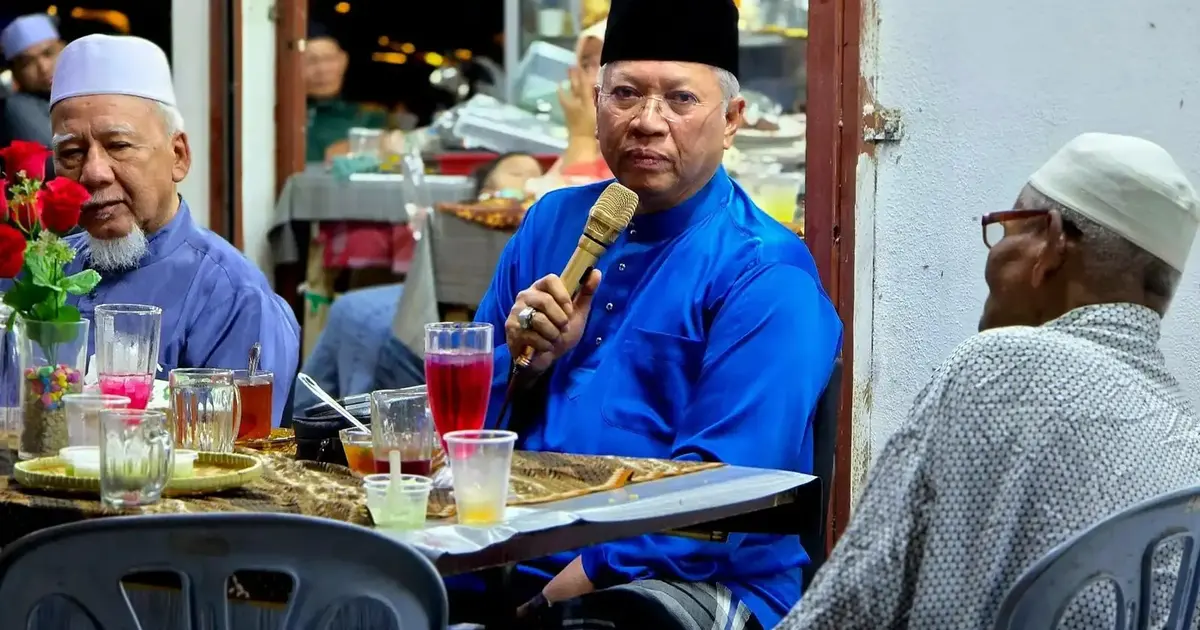
Coalition tensions have surfaced within Perikatan Nasional as PAS rejects what it describes as excessive seat allocation demands from Bersatu ahead of the Negeri Sembilan state election. The dispute underscores deepening fractures in the Malay-Muslim alliance that has governed Malaysia since 2021, with seat distribution disputes increasingly becoming a flashpoint between component parties.
According to PAS information chief Annuar Musa, Bersatu has sought 15 state assembly seats in the upcoming Negeri Sembilan election—a request he characterises as impossible to fulfil within coalition negotiations. The demand highlights the ongoing struggle for political supremacy between the two parties, each vying to strengthen its representation in state legislatures where Perikatan Nasional maintains influence. Annuar's public rejection signals that PAS sees little room for compromise on this particular allocation.
The context surrounding this dispute reveals deeper concerns about political mathematics in Negeri Sembilan. The state has 36 state assembly seats available, and seat distribution within Perikatan Nasional typically reflects each component party's negotiating strength, historical performance, and perceived electoral viability. Bersatu's request for 15 seats would represent a substantial portion of available constituencies, likely at the expense of PAS and other coalition partners.
Bersatu's aggressive positioning reflects the party's strategy to entrench itself as a major political force following its earlier departure from and subsequent return to Perikatan Nasional. The party's leadership has consistently pursued aggressive seat allocations in state elections to expand its grassroots base and institutional influence. This approach has generated friction not only with PAS but also with other Perikatan Nasional component parties navigating similar electoral negotiations.
From a Malaysian political perspective, the conflict illustrates the inherent instability of the Perikatan Nasional coalition itself. Unlike the Barisan Nasional, which developed institutional mechanisms for seat negotiations over decades, Perikatan Nasional remains a relatively younger political alliance without established protocols for managing inter-party competition. Each state election becomes an occasion for renegotiation, creating uncertainty for coalition stability.
PAS's firm stance against Bersatu's demands suggests the Islamic party is unwilling to sacrifice its own electoral prospects to accommodate the smaller party's ambitions. PAS has demonstrated electoral strength in multiple state elections and views itself as the coalition's core Malay-Muslim party. This self-perception leads PAS leaders to resist what they consider unfair or disproportionate seat allocations to newer or smaller coalition partners.
The timing of this public dispute is significant, as Negeri Sembilan represents a strategic battleground where Perikatan Nasional previously contested effectively. The state remains a testing ground for coalition unity, with previous elections revealing both the strengths and vulnerabilities of the alliance. Any split in coalition ranks could theoretically benefit opposition parties seeking to capitalize on internal divisions.
For Negeri Sembilan voters, the coalition's internal disputes raise questions about whether Perikatan Nasional can effectively govern the state if elected. Political uncertainty at the coalition level often translates into governance challenges at the state level, where competing party interests can undermine policy coordination and administrative efficiency. Such friction may also deter floating voters seeking stable, united governance.
The broader implications for Malaysian politics extend beyond Negeri Sembilan. This dispute demonstrates that coalition management remains one of the most persistent challenges in Malaysian politics, particularly for multi-ethnic alliances attempting to balance ideological differences with electoral viability. As the next general election approaches, such internal tensions within Perikatan Nasional could prove consequential for national political outcomes.
Annuar's public criticism also reflects PAS's confidence in its own electoral position and willingness to contest Bersatu directly if negotiations fail. Such competitive posturing within coalition frameworks suggests that Perikatan Nasional's future cohesion cannot be assumed. Coalition partners increasingly view one another with caution rather than trust, a troubling dynamic for long-term political stability.
Looking forward, negotiations between Bersatu and PAS will likely involve compromise, though significant gaps remain visible. The resolution of this dispute will signal whether Perikatan Nasional can develop more mature institutional frameworks for managing inter-party competition, or whether future elections will witness similar public disputes that undermine coalition credibility. For Malaysian politics more broadly, the Negeri Sembilan situation exemplifies the ongoing struggle to build stable coalition structures capable of providing consistent governance.

