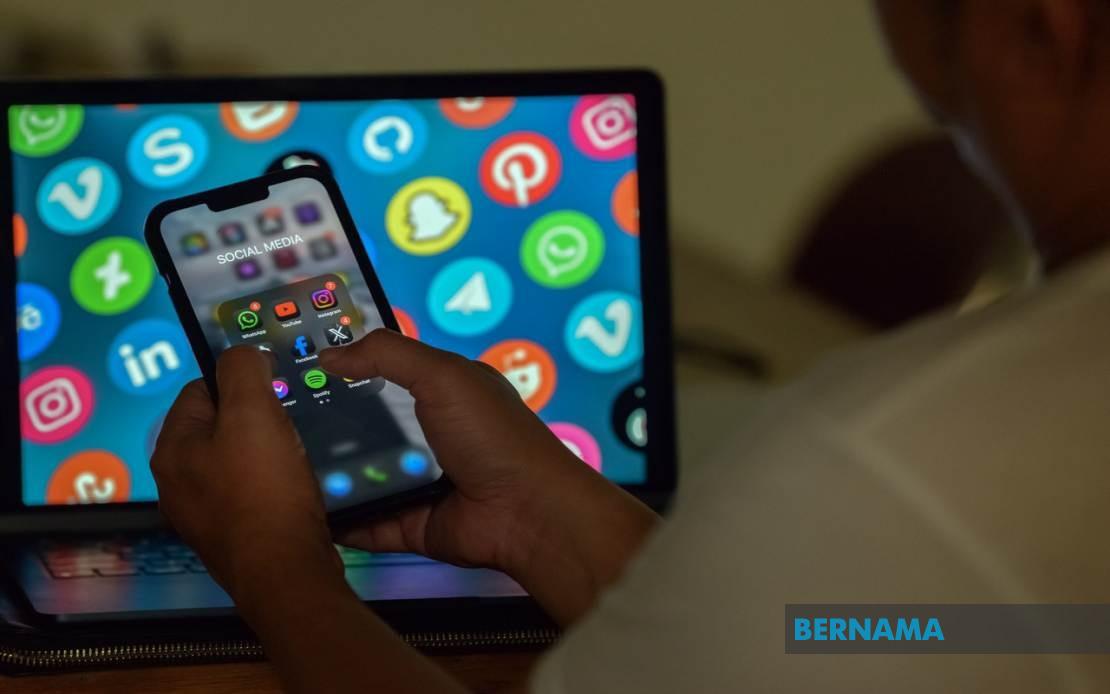
The Negeri Sembilan state election campaign has undergone a decisive transformation, with digital platforms emerging as the dominant venue for political engagement as candidates race towards the August 1 polling day. Across the coalition landscape—spanning Pakatan Harapan, Barisan Nasional and Perikatan Nasional—politicians are channelling resources into social media outreach to supplement traditional ground campaigning, reflecting a fundamental shift in how electoral contests are now being contested throughout Malaysia.
The strategic pivot towards online platforms reflects a recognition among campaign teams that traditional methods alone no longer suffice in reaching and persuading the state's 889,490 registered voters. While walkabouts and printed materials remain part of the electoral toolkit, the speed and reach afforded by digital platforms have made them indispensable for candidates seeking to build momentum and maintain visibility between face-to-face encounters. This hybrid approach allows campaigns to maintain constant contact with voters whilst simultaneously managing the logistical demands of ground-level organising.
Campaigners have demonstrated considerable sophistication in segmenting their audience according to generational preferences and digital behaviour. Older voters, typically categorised as Baby Boomers and Generation X, continue to congregate on Facebook and YouTube, platforms where candidates can deliver more formal messaging and policy documents. Middle-aged Millennials similarly gravitate towards these established networks, creating distinct online spaces where campaign communication reflects the communication norms of these age cohorts. This generational mapping has become central to campaign strategy, allowing political organisations to tailor content tonality and format to audience expectations.
Younger voters, particularly those from Generation Z, exhibit markedly different media consumption patterns, clustering instead around TikTok, Threads and Instagram. Recognising this demographic's influence on electoral outcomes, candidates have restructured content production to prioritise short-form video formats, trending audio samples and behind-the-scenes glimpses that align with platform norms. This generational divide in platform preference has essentially created parallel campaign universes operating simultaneously, each with distinct messaging protocols and aesthetic conventions.
The content strategy undergirding these social media campaigns reveals how significantly electoral communication has evolved. Rather than relying on lengthy speeches or formal policy presentations, candidates now leverage Point of View clips, infographics deconstructing their manifestos, real-time livestreams of campaign events and casual, unscripted videos designed to project accessibility and authenticity. This content ecosystem allows voters—particularly undecided constituents and younger electors—to engage with political messaging in formats they naturally consume during daily social media use, effectively lowering barriers to political engagement.
Pakatan Harapan's Linggi candidate, Datuk Seri Aminuddin Harun, exemplifies this digital-first approach through consistent documentation of his daily activities. The menteri besar has shared photographs and video content depicting morning prayers, breakfast interactions with residents and community visits conducted via motorcycle. Accompanying this visual diary is messaging emphasising continuity and integrity, framed around the broader Pakatan Harapan narrative of governmental effectiveness. This biographical campaigning—presenting the politician as an accessible, relatable figure embedded within community life—plays particularly well on platforms where audiences expect content reflecting genuine human moments rather than polished political theatre.
Other Pakatan Harapan candidates have adopted comparable strategies calibrated to their professional identities and constituency demographics. Ahmad Shahir Mohd Shah, the Paroi candidate commonly known as Ustaz Shahir, has structured his social media presence around prosperity messaging and constituency development narratives. Similarly, Dr Azizul Hakim Mahdi, the medical practitioner contesting Rantau, has leveraged his professional credentials by organising free health screenings for senior citizens and documenting these activities for social media distribution. This approach transforms campaign activity into visible public service, creating documentary evidence of a candidate's engagement with constituent needs.
Barisan Nasional candidates have mirrored this strategic emphasis on digital engagement without fundamentally departing from established communication patterns. Both Datuk Seri Mohamad Hasan contesting Rantau and Datuk Seri Jalaluddin Alias in Pertang have established social media presences showcasing campaign activity and voter interaction, maintaining alignment with broader coalition messaging whilst accommodating local constituency priorities. The consistency across opposing coalitions in embracing digital platforms underscores how comprehensively social media has permeated Malaysian electoral practice.
Perikatan Nasional's participation in this digital campaign ecology introduces additional complexity to the Negeri Sembilan contest. Candidates representing Bersatu, alongside contenders from Parti Orang Asli Malaysia, Parti Sosialis Malaysia, Barisan Jemaah Islamiah Se-Malaysia and independent candidates, have similarly established digital footprints to advance their respective platforms and election pledges. The multiplication of political voices competing for attention across social media platforms reflects the fragmented electoral landscape now characterising Malaysian state politics, where smaller parties and independent candidates can achieve visibility previously requiring mainstream media coverage.
The timeline towards the election creates urgency for digital campaign acceleration. Early voting commences on July 28, providing campaigns with a final promotional window to mobilise committed supporters and sway remaining undecided voters. This compressed timeframe has incentivised intensive social media activity during the week preceding early voting, as campaigns recognise that digital engagement may prove decisive in driving turnout among younger cohorts less reliably represented in traditional polling.
For Malaysian observers, the Negeri Sembilan campaign pattern offers insight into broader electoral trends reshaping political competition across the nation. The demonstrated effectiveness of generationally-segmented digital strategies suggests that future state and federal elections will increasingly hinge on candidates' capacity to operate fluently across multiple platform ecosystems simultaneously. The sophistication demonstrated by Negeri Sembilan campaigners in content production and audience targeting reflects professional maturation within Malaysian political marketing that transcends traditional partisan divides.
The campaign dynamics also highlight evolving voter preferences, particularly among younger demographics who increasingly expect political engagement through digital channels rather than conventional venues. As generation Z cohorts progress toward fuller electoral participation, political organisations incapable of sophisticated digital communication risk diminished relevance with expanding voter populations. The Negeri Sembilan election thus functions as a bellwether for broader transformations in how Malaysian democracy operates in an increasingly digitalised electoral environment.

