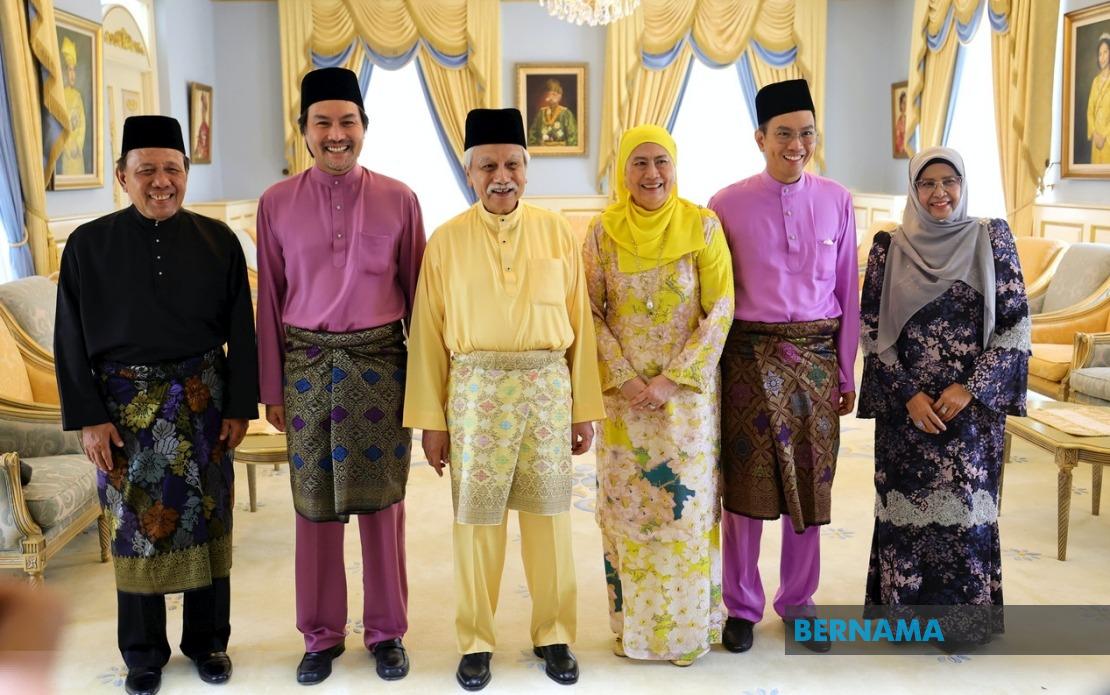
Negeri Sembilan's newly appointed Menteri Besar Datuk Ismail Lasim has signalled that the state's executive council will be formally announced within days, with Friday marked as the target date for finalising the cabinet composition. Taking office following the state election results that delivered a decisive two-thirds majority to the Barisan Nasional and Perikatan Nasional coalitions, Ismail faces the immediate task of assembling a governing team that reflects both the electoral outcome and coalition dynamics in the state.
The process is not merely administrative formality. Ismail's timeline requires navigating multiple layers of consultation and approval, beginning with discussions among Barisan Nasional's leadership echelon before presenting the proposed lineup to Tuanku Muhriz Tuanuk Munawir, the Yang Dipertuan Besar of Negeri Sembilan, for royal assent. This sequence of approvals underscores the constitutional role the state ruler plays in executive appointments and reflects Malaysia's Westminster-influenced governance structure where ceremonial heads retain significant ceremonial and consultative functions.
Crucially, Ismail has indicated that he will seek the perspective of UMNO president Datuk Seri Dr Ahmad Zahid Hamidi on the cabinet's composition, particularly regarding whether to include state representatives from Perikatan Nasional. This consultation point signals the complex coalition arithmetic underlying Negeri Sembilan's new government. While Barisan Nasional secured 18 of the 36 state assembly seats contested, Perikatan Nasional's seven seats provide additional parliamentary firepower and represent a separate political entity whose participation in the cabinet required careful negotiation rather than automatic inclusion.
The question of cabinet size remains undecided, though Ismail has expressed a preference for maintaining the traditional ten-member structure that has served the state administration previously. The rationale behind maintaining this configuration relates to administrative efficiency and operational bandwidth, considerations that become pertinent when balancing the number of portfolios against the depth of ministerial oversight possible. Expanding or contracting the executive council could signal different governance priorities or reflect the balance of power within the ruling coalition.
What complicates straightforward cabinet formation in Negeri Sembilan is the multi-party composition of the ruling coalition. Unlike states governed by a single dominant party, Negeri Sembilan's government must now reflect not only UMNO's plurality but also the interests of Barisan Nasional component parties MCA and MIC, as well as the Perikatan Nasional coalition. Each party's representation in the cabinet reflects broader political considerations about coalition stability, internal party morale, and the need to ensure that smaller parties feel their electoral contribution is acknowledged through ministerial positions.
Ismail's emphasis on people-centric governance during his inaugural press conference at Kuala Pilah reflects broader governance rhetoric emerging across Malaysian states and the federal level. His assertion that the populace's welfare constitutes the administration's primary pillar resonates with voter expectations that emerged during the campaign period. For Negeri Sembilan residents, this translates into concrete policy implications across healthcare, education, economic development, and infrastructure—areas where state government decisions directly impact quality of life.
The August 2 election delivered a conclusive result that simplified government formation compared to scenarios producing hung assemblies or narrow majorities. Barisan Nasional's 18 seats combined with Perikatan Nasional's seven seats produces 25 seats from a 36-seat chamber, providing a comfortable buffer beyond the 19 seats required for a simple majority. This two-thirds supermajority affords the government considerable latitude to pass legislation without reliance on opposition support and provides insurance against defections or internal party instability that might otherwise prove destabilising.
The electoral contest itself involved 103 candidates competing across 36 state seats, suggesting reasonably competitive contests in most constituencies and indicating that voters exercised meaningful choice rather than facing uncontested races. This electoral competitiveness potentially carries implications for how the new cabinet positions itself, as Menteri Besar Ismail may be cognisant that several constituencies produced close contests where opposition parties demonstrated residual voter support.
From a regional perspective, Negeri Sembilan's government formation occurring simultaneously with cabinet-building exercises in other Malaysian states creates a shifting political landscape across the peninsula. The state's experience with coalition governance between Barisan Nasional and Perikatan Nasional may provide instructive lessons for other states managing multi-coalition arrangements, particularly regarding portfolio allocation, decision-making protocols, and managing potential tensions between nominally allied but separately organised political entities.
Ismail's background as Juasseh Assemblyman suggests he brings constituency-level political experience to the menteri besar position, though this represents his first entry into state-level executive responsibility. The learning curve associated with assuming such a senior position while simultaneously establishing cabinet structures and government priorities underscores the compressed timeline within which Malaysia's state governments must operationalise after elections conclude.
Looking forward, the actual cabinet announcement when it materialises will reveal crucial information about coalition priorities. The inclusion or exclusion of Perikatan Nasional members from executive positions, the specific portfolio allocations, and the demographic composition of the cabinet will signal how Ismail intends to govern and which constituencies—geographic, demographic, or political—he prioritises during this initial phase of his administration.

