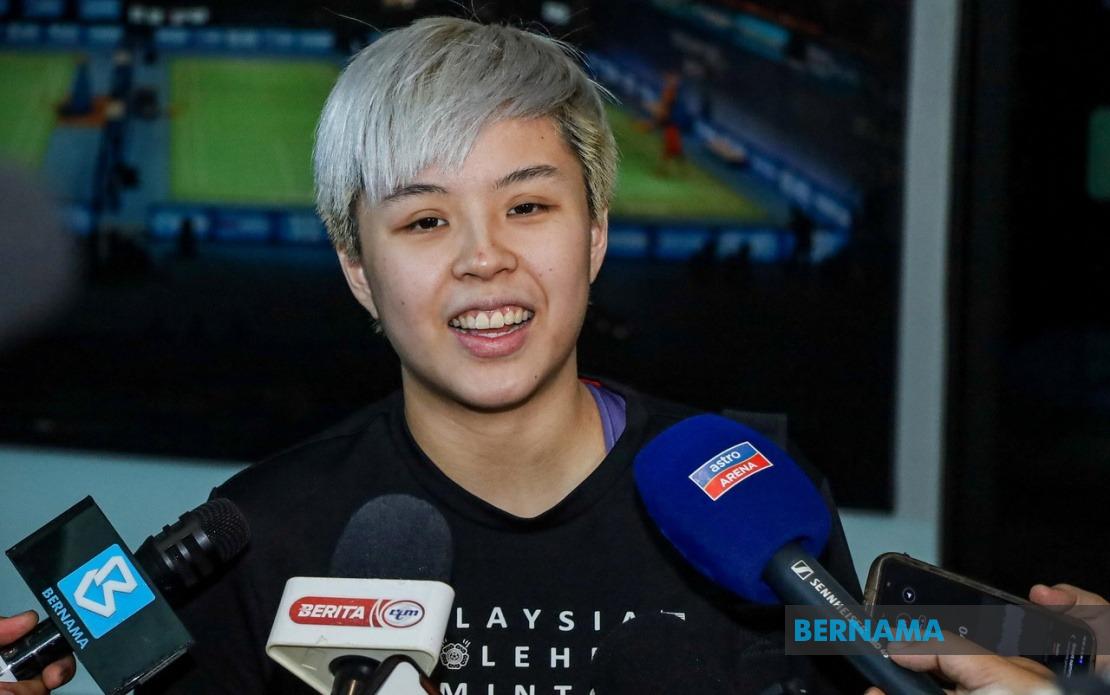
Toh Ee Wei, Malaysia's national mixed doubles badminton representative, has successfully completed anterior cruciate ligament (ACL) surgery on her left knee at a medical facility in Melbourne, Australia. The procedure took place on June 30, marking a significant milestone in her recovery journey following the injury she sustained during competitive play. The Badminton Association of Malaysia (BAM) confirmed the surgical outcome, indicating that the operation proceeded without complications and that the player can now move forward into the critical rehabilitation phase.
The injury that necessitated surgery occurred during the quarter-final round of the Singapore Open 2026, contested in May this year. The damage to her anterior cruciate ligament, one of the most important stabilizing structures in the knee joint, represented a serious setback for a player competing at the elite international level. Such injuries are particularly concerning in badminton, a sport demanding explosive lateral movements, rapid directional changes, and sustained court mobility. The timing of the injury during a major tournament underscored the unpredictable nature of sporting mishaps, even among highly conditioned professional athletes.
BAM has publicly committed to providing comprehensive support throughout Ee Wei's rehabilitation period. The association's statement emphasised that medical care and recovery programming will remain priorities during the months ahead. This institutional backing is crucial for elite athletes facing lengthy recovery timelines, as the financial and logistical demands of rehabilitation can be substantial. For Malaysian badminton players, such organizational support helps ensure that recovery protocols meet international standards rather than depending solely on individual resources.
In a personal message accompanying the official announcement, Ee Wei expressed gratitude for the encouragement received from supporters, family members, and colleagues within the badminton community. She acknowledged the relief that comes with successful surgical completion, recognising that proper execution of the operation represents the foundation upon which future recovery rests. Her statement conveyed realistic optimism about the road ahead, framing rehabilitation not merely as a return to previous capability but as an opportunity to emerge stronger and more resilient.
The player's commitment to the recovery process, as articulated in her public remarks, suggests a disciplined approach to rehabilitation. Badminton players undertaking ACL reconstruction typically face a recovery timeline extending nine to twelve months before returning to competitive play, requiring rigorous physiotherapy, strength conditioning, and gradual sport-specific training. Ee Wei's explicit pledge to give full commitment to this process indicates her understanding that the quality of rehabilitation efforts directly influences the success and durability of the surgical outcome.
The international context of Ee Wei's treatment reflects Malaysia's integration into global sports medicine networks. Her decision to undergo surgery in Melbourne positions her within Australia's renowned sports medicine infrastructure, where many Asian athletes seek treatment for career-threatening injuries. This geographic choice likely reflects considerations regarding surgical expertise, post-operative care facilities, and rehabilitation resources available in the Australian sports medicine sector.
For Malaysian badminton's mixed doubles program, Ee Wei's absence during recovery represents a notable gap in national competitive capacity. Mixed doubles represents one of badminton's most strategically complex disciplines, requiring carefully coordinated partnerships that develop over extended training periods. Her return to competition will necessitate not only physical restoration but also the rebuilding of chemistry with her partner and reintegration into the competitive rhythm at the elite international level.
The injury and its management also highlight the occupational hazards facing badminton professionals. Despite rigorous training regimens designed to build strength and flexibility, athletes remain vulnerable to acute traumatic injuries. The Singapore Open incident serves as a reminder that even incremental improvements in court safety, injury prevention conditioning, and sports medicine coverage remain relevant at the highest competitive levels.
Ee Wei's recovery also carries implications for Malaysian badminton's broader competitive calendar and strategic planning. National associations must balance the development of emerging talent against the return timelines of injured elite players, ensuring that both pipeline development and immediate competitive objectives receive appropriate attention. BAM's public support signals institutional commitment to supporting players through career disruptions, an important message for the next generation of Malaysian badminton competitors.
Looking forward, the coming months will prove critical as Ee Wei progresses through structured rehabilitation phases. Initial post-operative recovery will focus on regaining basic knee function, reducing inflammation, and beginning gentle mobility work. Subsequent phases will progressively introduce strength training, balance development, and sport-specific movements. Success in these sequential stages will ultimately determine both the timeline and the quality of her competitive return.
The successful completion of surgery removes one significant hurdle, but it represents merely the opening chapter of Ee Wei's recovery narrative. The genuine test of her resilience and the effectiveness of her support systems will unfold during the demanding months of rehabilitation ahead. Her return to competitive badminton will depend on both biological healing and her psychological capacity to rebuild confidence in her knee following a significant structural injury.

