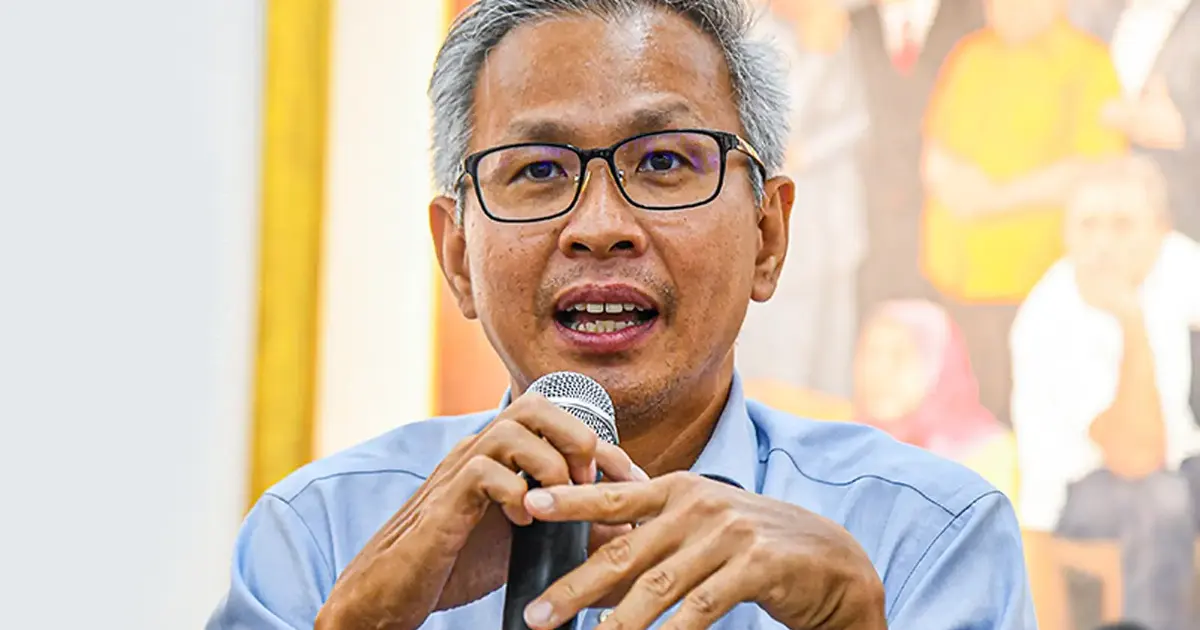
The legal battle surrounding Malaysia's largest financial scandal has entered a contentious new phase, with counsel for former Prime Minister Najib Razak filing objections to evidence submitted by Democratic Action Party (DAP) politician Tony Pua in the ongoing 1MDB civil trial. Muhammad Shafee Abdullah, leading Najib's defence team, has contested the admissibility of significant portions of Pua's witness statement, setting up a preliminary legal skirmish that could shape how the case proceeds and what testimony the court ultimately considers.
This development underscores the procedural complexity surrounding 1MDB litigation nearly a decade after revelations of the massive wealth fund scandal first triggered international investigations and domestic political upheaval. The 1Malaysia Development Berhad (1MDB) fund, established in 2009 as a vehicle for sovereign wealth development, became embroiled in allegations of wholesale theft and money laundering involving billions of ringgit. Pua, who has been a persistent parliamentary critic of 1MDB's management and has independently investigated the fund's activities, carries credibility as a witness precisely because of his documented scrutiny of the scheme, yet this same record may invite legal challenges about the nature and character of his evidence.
The admissibility objections raised by Shafee reflect a fundamental tension in evidence law: distinguishing between factual testimony and opinion, hearsay and direct knowledge, and properly founded assertions versus speculation. In complex financial cases, courts must carefully police the boundaries between what a witness actually observed or can authenticate and what they have merely heard or inferred. The defence strategy here appears designed to narrow the scope of evidence the court will entertain, potentially limiting how extensively Pua's documented investigations into 1MDB's labyrinthine fund flows and questionable transactions can be presented to the judge.
Tony Pua has emerged as one of Malaysia's most vocal parliamentarians regarding 1MDB accountability, conducting independent research into the fund's activities and publicly articulating concerns about governance failures and possible criminal misappropriation. His technical knowledge of finance and demonstrated ability to track complex transactions give his testimony potential evidentiary weight, but defence counsel will likely argue that portions of his statement venture into territory where he lacks direct personal knowledge or cross the line from factual recitation into argumentative interpretation. Such tactical legal maneuvering is standard in high-stakes litigation, particularly where massive sums and reputational stakes intersect.
The civil proceeding represents a parallel track to the criminal cases that have consumed considerable judicial and prosecutorial resources since 2018. While criminal trials focus on establishing guilt beyond reasonable doubt regarding specific offences, civil litigation typically operates under a lower evidentiary burden—the balance of probabilities—and encompasses broader scope for damages recovery and asset recovery actions. This distinction means that standards of evidence admission may differ between the criminal and civil proceedings, potentially allowing evidence into the civil case that would be excluded from criminal trials, or vice versa.
Malaysia's legal system, grounded in common law traditions inherited from British jurisprudence, maintains strict rules governing witness testimony and documentary evidence. The Malaysian Evidence Act 1950 establishes hierarchies of reliability and relevance that guide judges in determining what can be heard and weighed. Shafee's objections likely invoke these statutory provisions, arguing that certain portions of Pua's statement either lack the requisite foundation, constitute inadmissible hearsay, or represent conclusions rather than factual observations that properly fall within the witness's competence to provide.
For Malaysian observers monitoring this high-profile litigation, the admissibility dispute carries implications beyond legal technicality. The court's ruling on what evidence regarding 1MDB the judge may consider will partly determine how thoroughly the scandal's mechanics can be explored in judicial proceedings. If substantial portions of Pua's investigation and analysis are excluded, the civil case may provide a less comprehensive account of the fund's governance failures and alleged criminal misappropriation than public expectations might suggest. Conversely, if the court admits broad swathes of Pua's testimony, it signals judicial willingness to entertain the institutional and procedural understanding that independent investigators like Pua have developed.
The defence position also reflects Najib's broader litigation strategy: constraining the evidentiary universe to matters he can more directly contest or rebut through his own testimony and supporting evidence. By narrowing what the court hears about 1MDB's operations, defence counsel creates space to present alternative interpretations of financial flows, to distinguish Najib's personal culpability from institutional failures, or to cast doubt on the completeness of investigators' understanding of the fund's mechanisms. Each procedural victory in limiting admissibility represents a tactical advantage in shaping how the judge ultimately evaluates 1MDB's trajectory.
The unfolding civil case also operates within a broader context of Malaysia's post-2018 reckoning with governance and accountability. The change of government in 2018 brought renewed commitment to investigating 1MDB, yet the subsequent political turbulence—including Muhyiddin's administration and the return to Barisan Nasional influence—has complicated sustained institutional focus on the scandal. Civil proceedings therefore assume heightened importance as mechanisms for establishing accountability and enabling asset recovery, even when criminal prosecutions encounter procedural complications or protracted timelines.
Shafee's objections will likely be formally argued before the trial judge in coming weeks, with implications for how much of Pua's prepared statement ultimately features in the proceedings. The resolution of these preliminary evidentiary disputes, though procedurally arcane, will materially shape what truths about 1MDB's management and alleged looting emerge through official judicial channels and what remains documented primarily in parliamentary records, journalistic investigation, and public memory rather than authenticated court findings.

