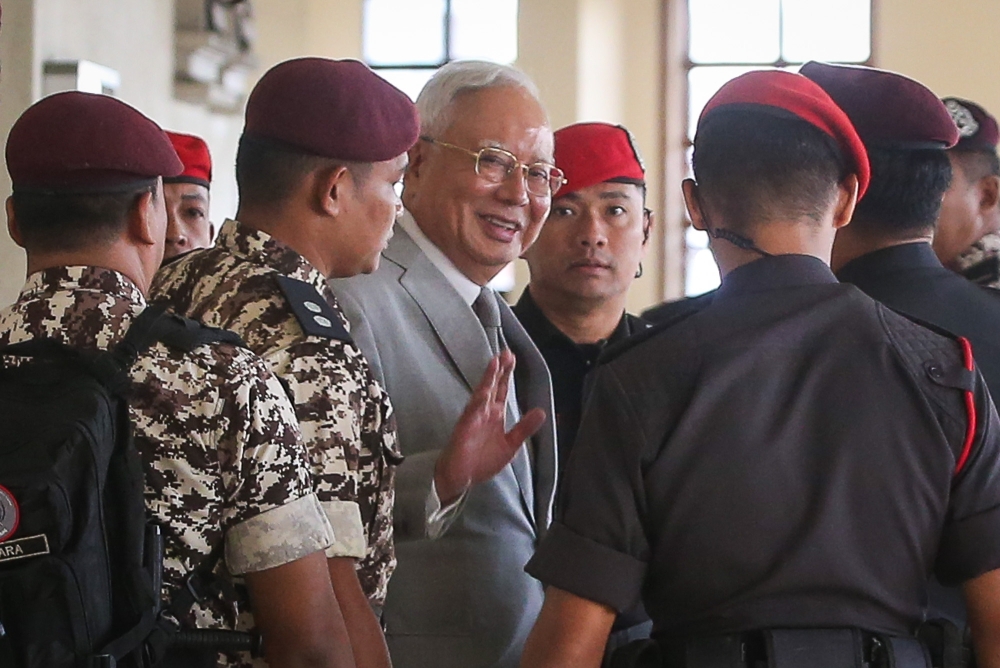
Former prime minister Datuk Seri Najib Razak is preparing to undergo a heart procedure at Serdang Hospital in Kuala Lumpur, with the medical intervention scheduled for the coming week. The announcement regarding his health matter comes as Malaysia's political landscape continues to navigate governance challenges and transitions following changes in administration.
The procedure represents a significant health development for the 71-year-old former leader, whose tenure as the country's sixth prime minister from 2009 to 2018 fundamentally shaped Malaysia's economic and political trajectory during a transformative decade. Serdang Hospital, one of Malaysia's leading tertiary medical centres located in the Klang Valley, will serve as the venue for this intervention, reflecting confidence in the institution's cardiac care capabilities and specialist expertise.
For Malaysian observers of political developments, the timing and nature of such personal health matters often intersect with public interest, particularly given Najib's continued prominence in the nation's political discourse. His legal battles and court appearances over recent years have maintained his visibility in the public arena, despite stepping down from his official governmental positions more than five years ago. The scheduled procedure underscores the reality that public figures, regardless of their current status, remain subject to the same health vulnerabilities and medical necessities as ordinary citizens.
The former premier has maintained an active media presence and engagement with his political base through various channels, including social media platforms where he regularly comments on national issues and government policies. His legal proceedings have been extensively documented, drawing significant attention from Malaysia's media landscape and contributing to ongoing public discourse about accountability, governance, and the judicial system. This forthcoming health intervention will necessarily require a period of recuperation and reduced public engagement.
Serdang Hospital's selection for this procedure reflects the confidence that Najib and his medical team have placed in the institution's cardiology department and surgical facilities. The hospital has established itself as a centre of excellence for cardiac interventions, equipped with cutting-edge diagnostic and therapeutic technologies. Such procedures, while increasingly routine in modern cardiology, remain significant medical events that warrant appropriate preparation and post-operative care protocols.
From a broader perspective, the announcement serves as a reminder of the human dimension underlying Malaysia's political structures and personalities. Regardless of political affiliations or assessments of past governance, health challenges affect individuals across all strata of society. The public nature of such announcements, particularly involving prominent figures, often reflects the interplay between private medical matters and public curiosity about political personalities.
The timing of the procedure announcement, made publicly in mid-July, allows for appropriate preparation and coordination with medical professionals. Serdang Hospital's cardiac care unit maintains high standards of patient safety and outcome monitoring, with experienced surgical teams and comprehensive post-operative support systems. The specificity of scheduling indicates that preliminary assessments and diagnostic procedures have already been completed, with attending physicians having determined the optimal timeframe for intervention.
For political observers, Najib's temporary absence from public activities during recovery and rehabilitation may create a noticeable gap in the commentary landscape he has actively cultivated since leaving office. His political influence, while diminished from his years as prime minister, remains relevant within certain circles of Malaysian politics and among his dedicated supporters who continue to engage with his messaging and perspectives on national governance.
The procedure also underscores broader conversations about healthcare delivery in Malaysia's medical system, where government hospitals like Serdang continue to play central roles in treating patients from all demographics and socioeconomic backgrounds. The institution's ability to accommodate high-profile cases while maintaining service delivery to ordinary citizens reflects the complexity of managing Malaysia's healthcare infrastructure amid competing demands and resource considerations.
Neither Najib nor his representatives have disclosed extensive details regarding the specific nature of the heart procedure or its anticipated duration. Medical confidentiality typically governs such information, with public statements generally limited to confirming the timing and location of interventions. This approach balances public interest in the wellbeing of prominent figures with appropriate respect for personal medical privacy.
The coming week will see the conclusion of preparations and the execution of the scheduled procedure. Depending on the intervention's complexity and individual recovery factors, Najib's return to regular public activities may extend beyond the immediate post-operative period. The former premier's medical team will likely recommend appropriate recovery timeframes and activity modifications during the rehabilitation phase.
Beyond the immediate health dimensions, this development maintains Najib's presence in Malaysia's news cycle during a period when the country continues to grapple with governance priorities, economic performance, and political stability. His subsequent recovery trajectory and return to public engagement will inevitably attract media attention, maintaining his relevance in ongoing conversations about Malaysia's political history and future direction.

