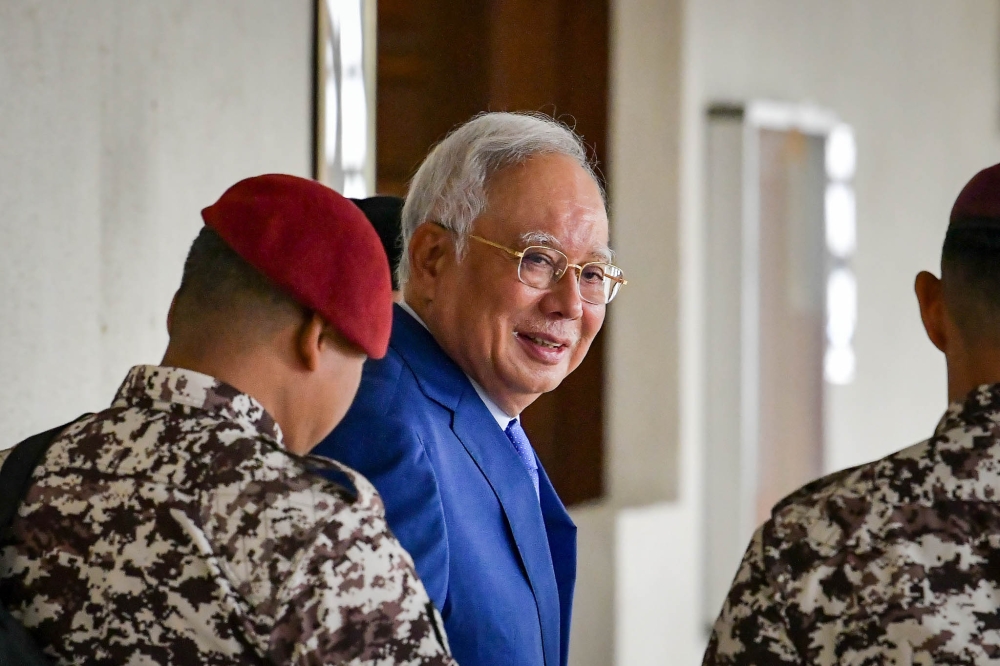
Former Malaysian Prime Minister Datuk Seri Najib Razak has successfully completed a coronary intervention procedure and remains in stable condition, according to statements from his medical team in Kuala Lumpur on July 25. The procedure, conducted at a private hospital in the capital, did not necessitate stent placement, marking a favourable outcome for the 71-year-old political figure who has remained a prominent if controversial voice in Malaysian politics despite his ongoing legal challenges.
The confirmation that coronary intervention could be performed without the insertion of a stent suggests that the underlying cardiac condition identified in Najib did not require permanent structural support to maintain blood vessel patency. This represents a less invasive outcome compared to cases where stent deployment becomes necessary to restore normal blood flow following angioplasty procedures. Medical professionals indicated that the former premier's responsive condition post-procedure indicates successful management of the cardiovascular issue that prompted the intervention.
Najib's health development carries implications for Malaysian political discourse, given his continued involvement in public affairs and ongoing court proceedings related to corruption allegations stemming from his tenure as Prime Minister from 2009 to 2018. The incident underscores how personal health circumstances can intersect with high-profile legal matters, raising questions about judicial timelines and the practical management of cases involving aging political figures with medical complexities. His continued engagement with supporters and political commentary since taking office suggests determination to maintain public prominence despite both health and legal adversities.
The stability reported by attending physicians provides reassurance to observers interested in Najib's future role in Malaysian political life. Recovery trajectories following coronary procedures vary significantly depending on underlying cardiac function, the extent of atherosclerotic disease, and individual compliance with prescribed medical regimens. Medical teams at the treating institution would typically implement comprehensive cardiac rehabilitation protocols including supervised exercise programmes, dietary modifications, and pharmaceutical management to optimize recovery and reduce future cardiovascular event risks.
Coronary procedures have become increasingly sophisticated over recent decades, with interventional cardiologists employing advanced imaging and diagnostic techniques to determine optimal treatment strategies. The decision to forgo stent implantation reflects contemporary medical practice emphasizing individualised approaches rather than routine device placement. Such procedures often involve balloon angioplasty alone when vessels demonstrate adequate responsiveness to mechanical dilation, or alternative interventions such as atherectomy when plaque characteristics favour different modalities.
The timing of Najib's procedure occurs amid ongoing legal proceedings that have defined his post-premiership trajectory. His 2023 conviction on corruption charges and subsequent sentencing generated substantial domestic and international attention, with the legal process extending across multiple appeals and reviews. Any significant health episodes potentially influence the administration of justice system timelines and considerations regarding detention conditions, though Malaysian courts proceed according to established protocols regardless of defendants' health status.
From a Southeast Asian perspective, Najib's case exemplifies ongoing regional struggles with governance accountability and judicial processes following periods of alleged executive misconduct. Malaysia's experience with prosecuting former senior leaders presents instructive lessons for neighbouring democracies grappling with similar challenges. The intersection of health circumstances with criminal proceedings offers a contemporary context through which regional observers examine institutional robustness and rule of law considerations in established Asian democracies.
The former Prime Minister's recovery will likely proceed under ongoing hospital observation before transitioning to outpatient cardiovascular care. Medical monitoring would typically include serial electrocardiographic assessments, cardiac biomarker evaluation, and echocardiographic surveillance to establish baseline post-intervention status. Lifestyle modifications and pharmaceutical therapy form cornerstones of secondary prevention strategies designed to minimize recurrent coronary events in patients with documented atherosclerotic disease.
Najib's situation also reflects broader demographic trends affecting Malaysian political leadership, as several senior figures navigating advancing ages face health challenges requiring medical intervention. The nation's healthcare infrastructure, particularly private sector facilities where high-profile patients typically receive care, has demonstrated capability managing complex coronary pathology with outcomes comparable to international standards. Access to sophisticated interventional cardiology services remains concentrated in major urban centres, reflecting broader healthcare equity challenges within Malaysia's medical system.
The stable status reported by his medical team provides foundation for continued engagement with legal proceedings and political activities, though recovery periods following coronary procedures typically necessitate temporary activity modifications. Najib's supporters and political observers will monitor his recuperation closely, as his health status potentially influences upcoming judicial developments and his participation in informal political networks. The procedural success achieved without stent requirements represents a favourable clinical outcome positioning him towards gradual restoration of pre-event functional capacity.

