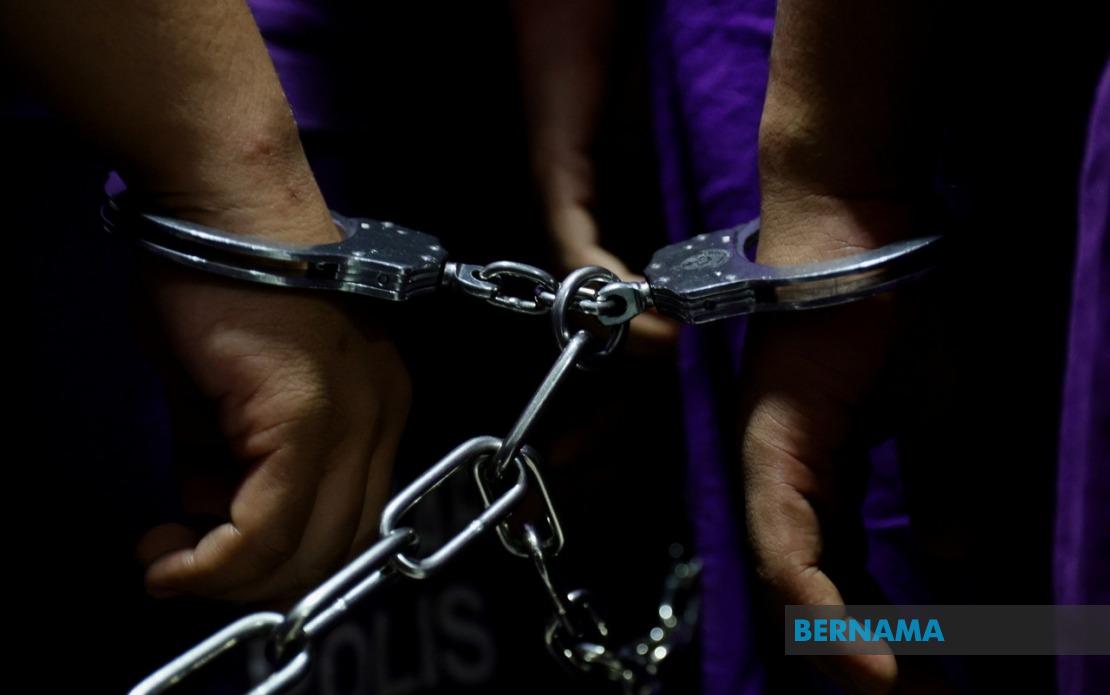
Myanmar law enforcement has made substantial progress in tackling organized jewellery crime, with the arrest of 13 individuals—10 men and three women—in connection with two separate gold shop robberies that targeted businesses in the central Mandalay region. The coordinated police operations have recovered stolen merchandise, weapons, and motorcycles believed to have been used in the crimes, while authorities continue pursuing additional suspects they believe participated in the thefts.
The first robbery occurred on July 20 at the Millionaire Gold Shop located in Chanmyathazi Township. Six men were initially detained as primary suspects in that incident, and police subsequently apprehended five additional individuals alleged to have provided assistance or participated in the broader criminal scheme. These arrests represent the culmination of investigative work that pieced together evidence linking multiple people to the jewellery theft.
During the course of questioning and examination of evidence, law enforcement discovered troubling connections suggesting a pattern of organized criminal activity. Three of the six men arrested for the Millionaire Gold Shop robbery were subsequently identified as having direct involvement in an earlier incident at a different establishment. This cross-linking of suspects proved instrumental in resolving what initially appeared to be separate cases, demonstrating how investigative cooperation can unlock previously unsolved crimes across time and geography.
The earlier robbery targeted the Paw Oo Gold Shop in Mahaaungmyay Township on October 30, 2023. While nearly nine months had elapsed between that theft and the arrests, the identification of three shared suspects from the July 20 case allowed authorities to finally move forward with charges related to the older crime. The passage of time had not prevented investigators from eventually connecting the dots and bringing perpetrators to account.
The recovered evidence provides insight into the sophistication and planning involved in these robberies. Police secured more than 42 ticals, equivalent to approximately 0.7 kilogrammes, of gold jewellery alongside cash taken from the shops. Beyond the stolen merchandise itself, authorities recovered a pistol, two ammunition magazines containing 27 bullets, four motorcycles suspected to be getaway vehicles, a slingshot, and 31 metal bolts. This arsenal suggests the robberies may have involved advance planning and the use of weapons to intimidate victims or security personnel.
The recovery of vehicles and weapons proves particularly significant for Myanmar's ongoing struggle with organized crime and armed robbery syndicates. The existence of motorcycles as part of the suspects' operational infrastructure indicates coordination and preparation, rather than spontaneous crime. Such organized networks pose distinct challenges to law enforcement, as they often involve layered structures with specialists handling different aspects of the criminal enterprise—from planning and execution to disposal of stolen goods.
The discovery that two additional suspects had collaborated with the three men in the October 2023 Paw Oo Gold Shop robbery expanded the scope of the investigation and the potential criminal conspiracy. This expansion suggests investigators found evidence of coordinated activity and deliberate planning, rather than isolated incidents or copycat offences. The involvement of multiple people across two separate robberies indicates a functioning criminal organization with member participation in multiple operations.
From a broader regional perspective, Myanmar's security challenges extend beyond political instability to include ordinary street crime and organized theft syndicates targeting businesses. Gold shops represent attractive targets for criminals due to the high value of inventory, ease of conversion to cash, and significant demand within local markets. The concentration of robberies within the Mandalay region, Myanmar's second-largest city and a major commercial hub, reflects the vulnerability of retail jewellery operations in areas with active criminal networks.
Malaysian readers and businesses with interests in Myanmar should note the evolving security landscape in the country. While the police operation demonstrates some capability in investigations and arrests, the recovery of weapons and the apparent size of criminal networks underscore persistent law enforcement challenges. Businesses operating gold shops or similar high-value retail establishments in Myanmar face material risks that warrant careful security protocols and coordination with local authorities.
Legal proceedings have commenced against all 13 suspects, positioning them within the formal justice system. However, investigators have indicated they believe additional participants remain at large, suggesting the criminal network extends beyond those currently detained. Ongoing manhunts for remaining suspects could lead to further arrests and broader understanding of how these robbery operations functioned, including potential links to organized crime syndicates or trafficking networks.
The interconnection between the two robbery cases illustrates how criminals often operate across time and geography, repeating successful tactics until law enforcement intervenes. The interval between the October 2023 Paw Oo Gold Shop robbery and the July 2024 Millionaire Gold Shop theft—and the subsequent discovery of shared perpetrators—highlights the value of persistent investigative work and cross-case analysis. For Myanmar's authorities, building systematic databases and improving inter-unit information sharing could accelerate identification of serial offenders and criminal networks.
Moving forward, the police operation signals a willingness to pursue organized theft and armed robbery cases, which carry significant sentences under Myanmar law. The investigation's success in connecting suspects to multiple crimes over months demonstrates that despite Myanmar's multifaceted security challenges, domestic law enforcement retains capacity to target specific criminal enterprises. How thoroughly authorities pursue remaining suspects and whether they can establish links to larger criminal organizations will shape public confidence in Myanmar's ability to maintain commercial security and protect business interests.

