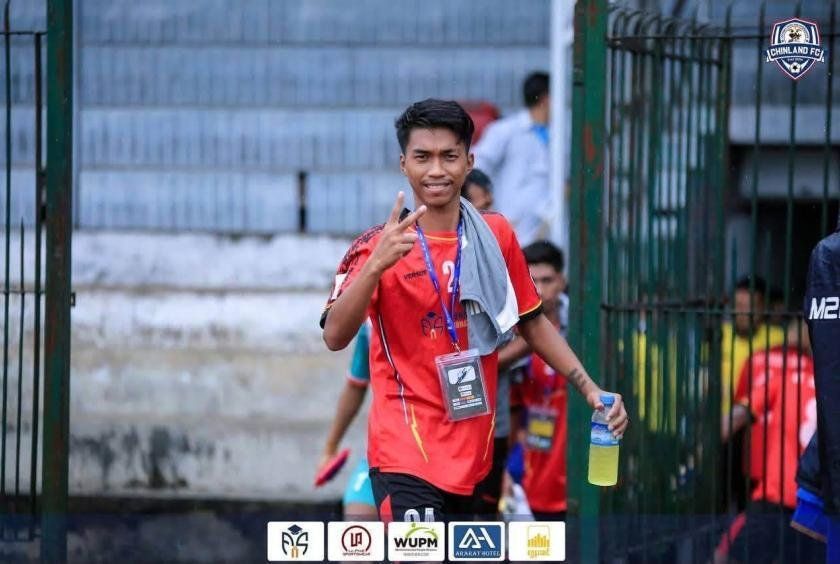
Myanmar's Chinland FC confirmed on the evening of August 29 that midfielder Pa Lung, who had disappeared from team activities a week earlier, had been safely located and returned to his family. The announcement brought relief to the football community after an intensive search operation involving club officials, law enforcement agencies, and media outlets across Myanmar.
The player's absence triggered growing concern within the sporting fraternity when initial communication attempts proved unsuccessful. Chinland FC's management grew increasingly worried as days passed without word from Pa Lung, prompting the club to escalate its response and seek public assistance in locating the 24-year-old athlete. The situation highlighted the vulnerability of players who lack reliable communication networks, particularly when facing urgent personal emergencies in a nation still developing its digital infrastructure.
According to the club's official statement released via its Facebook page, Pa Lung had made an urgent decision to return to his hometown without first notifying his team leadership. His mother's condition had deteriorated critically, leaving him no choice but to depart immediately. This family obligation, though legitimate and understandable within Myanmar's cultural context where filial duty takes precedence over professional commitments, created an unintended crisis in communications that compounded the confusion surrounding his whereabouts.
The communication breakdown during Pa Lung's journey home proved more severe than initially anticipated. His mobile phone's battery depleted during travel to a remote area with limited connectivity, severing his ability to contact the club or provide updates on his location. Beyond the battery failure, he encountered additional communication obstacles that isolated him from both his team and family members attempting to reach him, creating a situation where his silence was involuntary rather than intentional.
Clinching FC's response demonstrated the protocols clubs typically follow when players vanish without explanation. Within days of Pa Lung's disappearance, club officials filed a formal missing-person report with local police authorities. The club simultaneously mobilised an internal search operation that lasted five days before external assistance became necessary. This dual-track approach—working through both official channels and independent club resources—reflects how Myanmar's football organisations interface with law enforcement during emergencies.
The five-day internal search proved insufficient to locate Pa Lung, prompting Chinland FC to escalate matters by issuing a public appeal for information. This transparent approach engaged the broader Myanmar football community and general public in the search effort. The decision to go public revealed the club's desperation and genuine concern for the player's safety, acknowledging that institutional channels alone could not resolve the situation.
The resolution brought coordinated efforts from multiple stakeholders into sharp relief. Chinland FC publicly acknowledged contributions from the Myanmar Football Federation, the Myanmar National League, government authorities, the Myanmar Police Force, regional media organisations, and numerous individuals who shared information or offered support during the search period. This recognition underscored how modern football operations depend on collaborative networks extending far beyond the club itself when crises emerge.
Pa Lung's case carries implications for Myanmar's football infrastructure and player welfare systems. The incident exposed the fragility of communication networks in certain parts of the country, where mobile coverage remains patchy and charging facilities are unavailable in remote areas. For a nation aspiring to develop its football league and compete regionally, ensuring reliable communication systems and establishing player welfare protocols become increasingly important considerations for the Myanmar National League and Myanmar Football Federation.
The situation also illuminates the tension between professional obligations and family duties in Myanmar society. Unlike Western contexts where workers might schedule leave for family emergencies, Pa Lung's immediate departure without notice reflected the urgency of his mother's condition and cultural expectations that familial emergencies supersede employment schedules. His club's understanding of this reality, evident in their supportive messaging, suggests Myanmar's football organisations operate within a distinct cultural framework that recognizes such priorities.
Chainland FC's final statement emphasised relief and gratitude rather than reproach toward Pa Lung or frustration about the disruption. The club framed the resolution as a collective success story, highlighting community support and institutional cooperation. This approach maintained player morale and reinforced Chinland FC's reputation as an organisation that prioritises player welfare alongside competitive objectives—an important consideration in Myanmar's developing football landscape where clubs compete for talent and supporter loyalty.
The safe resolution should now allow Chinland FC to refocus on league responsibilities, though Pa Lung's availability may remain uncertain depending on his mother's ongoing medical situation. For the Myanmar football community, the incident serves as a reminder that players' lives extend beyond pitch and training grounds, and that robust communication systems and flexible welfare policies strengthen clubs' capacity to support athletes during genuine crises.

