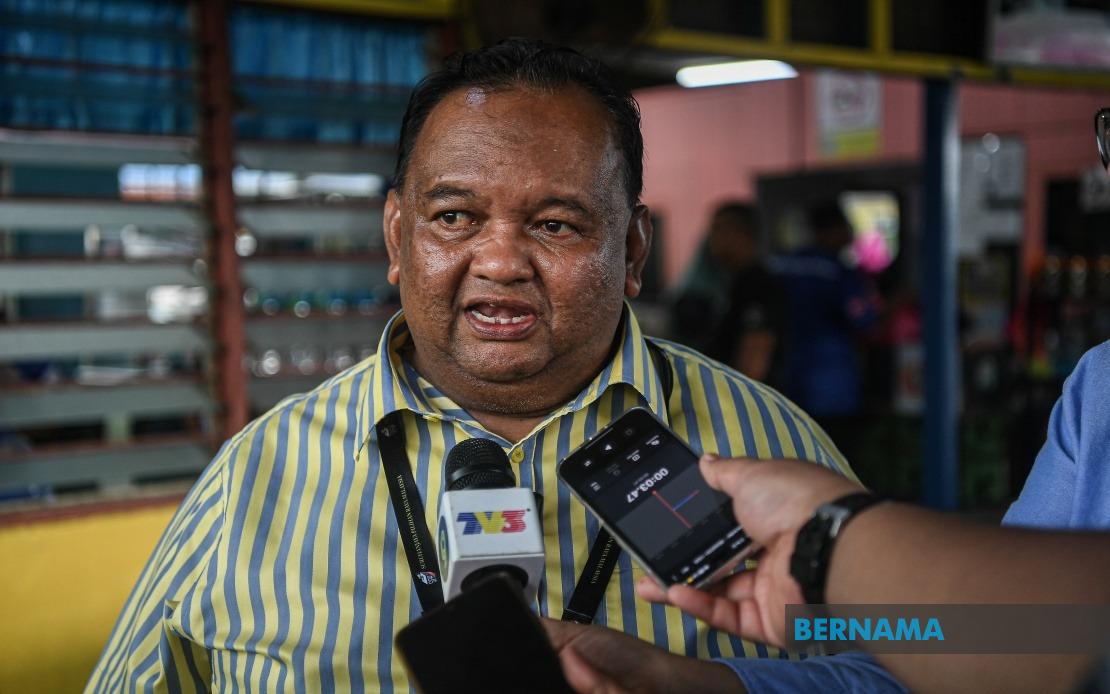
With polling day approaching on July 11, the Sedili state constituency race is shaping up as a three-cornered contest centred on divergent visions for rural economic development. Incumbent Muszaide Makmor from Barisan Nasional is banking on a modernisation strategy centred around agro-technology partnerships and industrial expansion, positioning himself as the architect of contemporary rural prosperity in this Johor heartland constituency.
Muszaide's campaign platform rests substantially on collaboration with Malaysia's leading agricultural research institutions. The integration of Universiti Putra Malaysia and Universiti Malaysia Terengganu's technical expertise into Felda farming communities represents a deliberate attempt to bridge the gap between academic innovation and smallholder production. Through pilot schemes including giant freshwater prawn hatcheries along Sungai Sedili Kecil and mud crab breeding operations at Sungai Sedili Besar, coupled with ginger cultivation initiatives, the incumbent seeks to demonstrate that second-generation Felda settlers need not depend solely on traditional commodities to sustain household incomes.
The expansion of these pilot programmes into deeper Felda territory forms the cornerstone of Muszaide's second-term mandate. His recent engagement with communities in Aping Timur revealed receptiveness among younger settlers to diversified income sources that require less capital investment than conventional agricultural enterprise. These modern farming techniques, promising faster production cycles and premium market positioning, represent a tangible alternative to out-migration or unemployment that has historically drained rural constituencies of their younger demographic.
The proposed construction of a large-scale integrated palm oil mill constitutes Muszaide's most ambitious employment pledge. The facility is projected to generate over 200 direct job opportunities, creating a secondary processing hub that would capture value beyond the farm gate. More strategically, the mill functions as an economic anchor preventing youth outflow by embedding manufacturing jobs within the rural landscape itself. This approach acknowledges the structural challenge facing many Felda settlements: young people often perceive limited career progression within agriculture and seek urban opportunities, destabilising community cohesion and productivity across generations.
His Perikatan Nasional rival, former Sedili assemblyman Rasman Ithnain, has mounted a sharply different critique that resonates with material grievances. Rasman asserts that despite nearly 3,000 second-generation Felda lot recipients receiving land titles during his previous tenure, fundamental impediments remain unresolved. These titleholders face the peculiar burden of servicing monthly loan repayments to Syarikat Perumahan Negara Berhad—typically RM300 per household—while their allocated plots lack even basic infrastructure to support habitation. The situation exposes a critical gap between property rights and development support.
Rasman attributes this infrastructure paralysis to deliberate political obstruction, arguing that approvals for roads, electricity, water systems, and sanitation have stalled due to partisan considerations rather than technical or financial constraints. This accusation cuts deeper than mere campaign rhetoric; it suggests systemic dysfunction in the coordination between state and federal agencies responsible for rural development. For residents contemplating decades of loan servicing on undevelopable land, such failures represent genuine hardship rather than abstract policy disputes.
Water supply disruptions emerge as Rasman's most compelling immediate concern. The inability to maintain consistent clean water access throughout the year—particularly acute during festive seasons when consumption and demand surge—strikes at the foundation of liveable rural communities. Traditional villages and Felda settlements alike experience this vulnerability acutely, and Rasman's proposed solution invokes federal financial assistance to resolve what he characterises as Johor's systemic water debt management problem. The framing suggests that despite the state government's claim to have settled water sector obligations, underlying infrastructure deficits persist.
Pakatan Harapan's candidate, Amirul Husni Onn, completes the three-cornered contest, though his strategic positioning remains less clearly articulated in the available campaign material. The three-way split creates tactical complications for all contestants, as the traditional Barisan stronghold faces genuinely divided opposition support rather than a single concentrated challenge.
The Sedili contest encapsulates broader tensions within Malaysian rural development policy. Muszaide's innovation-centred approach emphasises productivity enhancement and income diversification through technological adoption—a modernisation pathway consistent with federal agricultural policy directions. Rasman's emphasis on foundational infrastructure and honoring prior commitments speaks to accumulated frustration with incomplete development cycles across rural Malaysia. Both narratives contain validity; constituencies require simultaneously improved infrastructure and enhanced economic opportunity. The electoral choice ultimately reflects which deficiency voters perceive as more pressing.
As one of 56 contested state seats across Johor in the sixteenth state election, Sedili represents a microcosm of rural Malaysian electoral dynamics. The 172 total candidates competing across the state demonstrate robust democratic competition, with early voting commencing July 7 preceding the main polling on July 11. In a constituency shaped by Felda settlement patterns and agricultural identity, the contest reveals how rural voters increasingly demand comprehensive development addressing both immediate material conditions and longer-term economic sustainability, rather than accepting false choices between infrastructure and opportunity.
Muszaide's implicit argument—that innovation and modernisation represent the future pathway for Felda communities—stands in productive tension with Rasman's demand for accountability on foundational development promises. Neither candidate can credibly dismiss the other's concerns, suggesting that post-election governance in Sedili will require synthesising both infrastructure completion and economic innovation to genuinely serve constituency interests.

