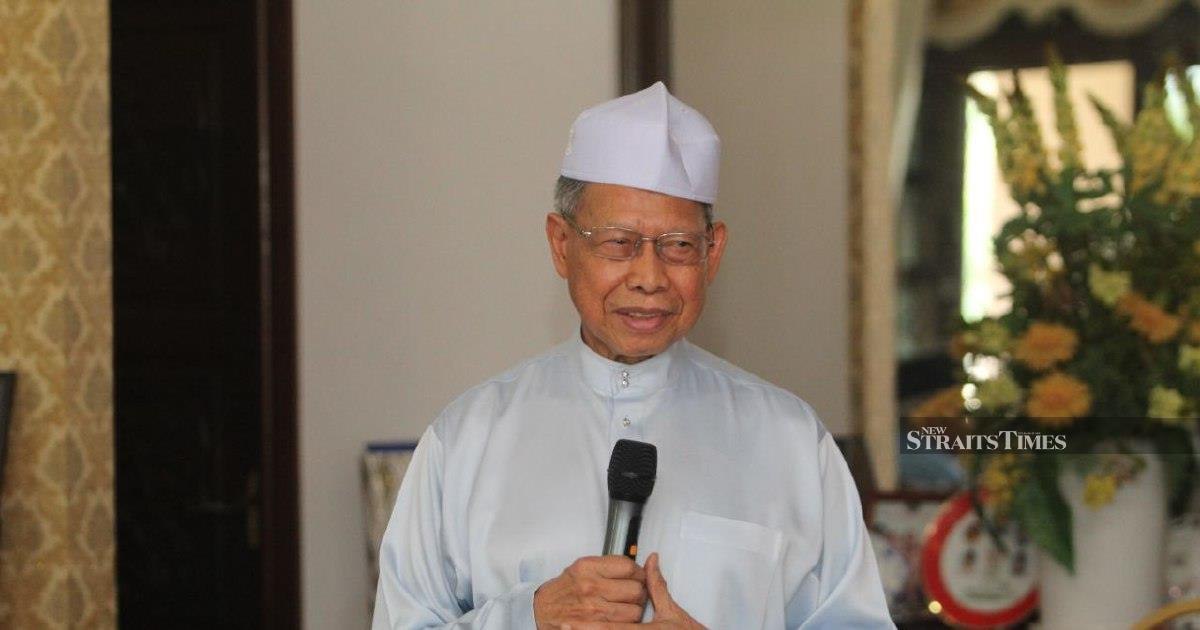
Datuk Seri Mustapa Mohamed, the former Jeli member of parliament who recently rejoined Umno, has definitively ruled out contesting in the next general election, citing substantial physical limitations that affect his mobility. Speaking in Pasir Mas, the senior political figure made clear his intention to step back from electoral politics despite his return to the party fold, signalling a measured approach to his political comeback.
The announcement represents a pragmatic acknowledgement of age and health considerations that increasingly shape the calculations of Malaysia's veteran politicians. Mustapa, who carries significant clout within Umno's hierarchy, chose to frame his withdrawal not as a permanent retreat from public life but rather as a realistic assessment of the demands campaigning would place on his body. His candid reference to difficulty maintaining a steady gait underscores the physical toll that parliamentary campaigns exact on candidates, particularly those advancing in years.
Mustapa's return to Umno itself constituted a noteworthy development within the party's internal politics, marking the reversal of an earlier departure. His previous exit had reflected the broader turbulence that Umno experienced following the 1Malaysia Development Berhad scandal and subsequent electoral setbacks. The party's various realignments and coalition shifts created openings for senior figures to recalibrate their positions, and Mustapa's rejoining aligned with broader efforts to consolidate party unity ahead of eventual electoral contests.
The timing of his electoral withdrawal carries particular significance for Jeli constituency, where his absence from the candidate slate will necessitate a succession arrangement within Umno's Kedah operations. Jeli, located in the northern heartland, has traditionally served as a stronghold for the party, and the selection of his replacement will command attention from both party strategists and local powerbrokers. The constituency represents the kind of stable seat where internal party dynamics can determine electoral outcomes, making the nomination process a matter of considerable consequence.
Mustapa's decision also reflects a broader generational transition occurring across Malaysian political parties. As ageing politicians gradually step away from frontline electoral roles, younger members must assume greater responsibility for securing seats and articulating party platforms. Umno, in particular, faces pressure to demonstrate renewal while preserving institutional continuity and the expertise that senior figures provide in advisory capacities. The challenge becomes balancing the symbolic benefits of visible succession with the practical wisdom that senior statesmen can contribute outside electoral arenas.
For Umno strategists planning campaign schedules and candidate allocations, Mustapa's withdrawal simplifies certain calculations while opening questions about bench strength in key constituencies. The party has faced recurring concerns about the age profile of its parliamentary representation, with critics pointing to limited space for younger aspirants within established party hierarchies. Mustapa's decision to clear the field in Jeli theoretically creates opportunity for renewal, provided the party's selection mechanisms prioritize competence and local resonance over purely factional considerations.
The political landscape surrounding Umno has become increasingly complex, with coalition arrangements, intra-party competition, and demographic shifts all influencing electoral strategy. Mustapa's intervention into this environment through his return to the party was itself a statement of political positioning, signalling confidence in Umno's direction and his conviction that the party remained the appropriate vehicle for his remaining contributions to national affairs. His simultaneous decision to avoid campaigning himself suggests he intends to play an elder statesman role, advising on party matters while preserving his energy and physical capacity for other activities.
The general election timeline remains fluid, with no official announcement yet made regarding polling dates. Nonetheless, political actors across the spectrum treat electoral preparation as a continuous process, with candidate identification and campaign planning beginning well in advance. Mustapa's clear public statement allows both Umno leadership and potential challengers in Jeli to adjust their preparations accordingly, reducing uncertainty that might otherwise persist into formal campaign periods.
From a broader Southeast Asian perspective, Malaysia's political transitions continue to draw regional attention as the country navigates democratic processes within a context of constitutional monarchy, federal structure, and diverse communal interests. The patterns of senior political figures managing their graceful exits or returns, as exemplified by Mustapa's moves, illustrate the ongoing adaptations required to sustain legitimate governance. His health-based rationale for withdrawing from electoral contention resonates with international norms favouring age-appropriate role differentiation within political hierarchies, even as Malaysian politics retains distinctive patterns of elite coordination and succession negotiation.

