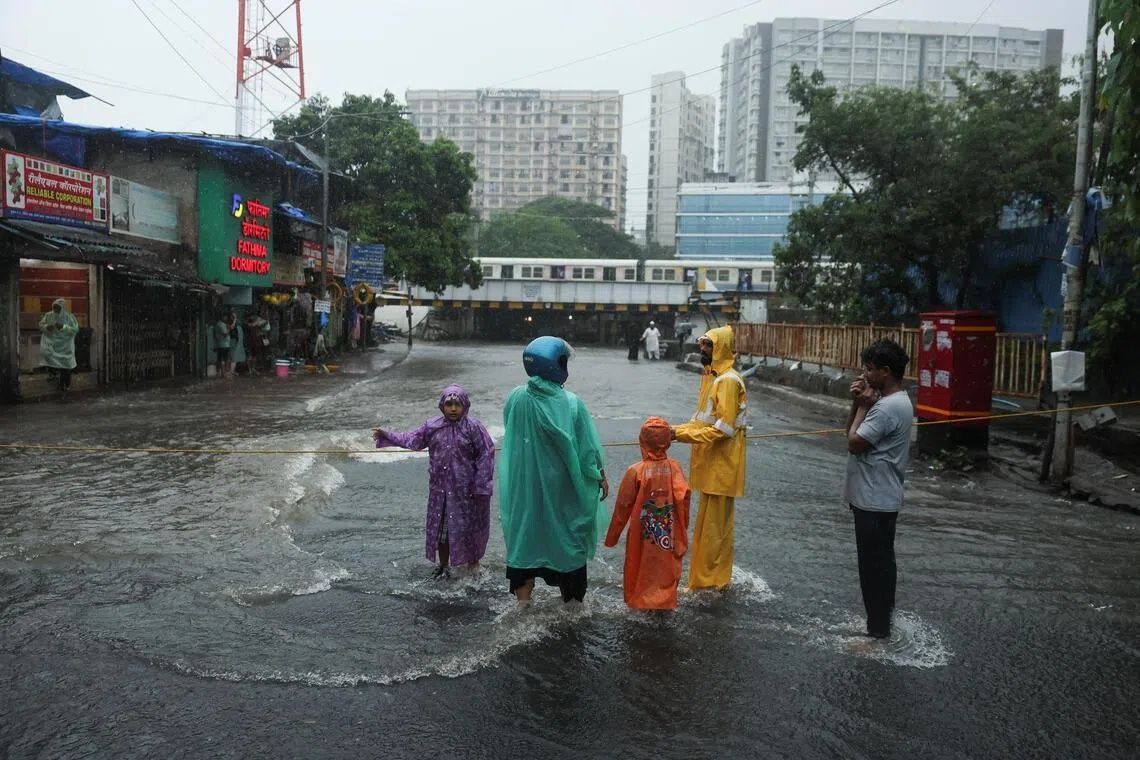
Mumbai's intensifying monsoon deluge has extracted a steep human toll, claiming at least two lives through preventable accidents linked to inadequate civic infrastructure and government oversight. The deaths have reignited accusations of systemic negligence within the Brihanmumbai Municipal Corporation and triggered broader questions about whether Indian cities can adequately prepare for seasonal weather patterns that recur with predictable regularity each year. As the India Meteorological Department issued an orange alert on July 3, the municipal administration faces mounting political pressure to explain how basic safety protocols continue to fail during the monsoon months.
The first fatality underscores the vulnerability of citizens to environmental hazards compounded by poor preventive maintenance. On June 30, a large tree that had weakened during heavy winds crashed onto a school bus in Chembur, trapping students from Universal High School and Tilak Nagar School inside the vehicle. Rescue workers deployed specialised cutting equipment to extract trapped children, but 11-year-old Vihan Shrivastav, whose parents had no other children, could not be saved. His death has crystallised public anger over the apparent failure of authorities to conduct thorough pre-monsoon inspections that should identify and remove hazardous trees from high-traffic areas, particularly near schools where children congregate.
Maharashtra's Ashish Shelar, who holds ministerial office, characterised the bus incident as regrettable and pledged that both state authorities and the municipal corporation would extend support to the bereaved family. However, his measured response contrasted sharply with the sharper criticism levelled by MLA Rohit Pawar, who argued that holding only junior officials accountable would perpetuate the cycle of preventable deaths. Pawar's intervention reflected a broader frustration among elected representatives that responsibility consistently stops at lower administrative levels, shielding senior officials from consequences even when systemic failures clearly emanate from inadequate planning and resource allocation at the top.
The second fatal incident occurred just two days later, when Aslam Isak Shaikh, aged 60, fell into an open manhole in Sakinaka during torrential downpour on July 2. The drainage opening had been uncovered for maintenance work but left without proper barricading or warning signs, a basic safety failure that exposed citizens to obvious danger. Shaikh was reportedly distracted by a phone conversation when fast-moving rainwater swept him into the opening. Recovery of his body took approximately three hours of intensive search operations, compounding the tragedy and highlighting how inadequate precautions transform routine maintenance into potential death traps during heavy rainfall.
MLA Vijay Wadettiwar seized on this incident to demand criminal prosecution of responsible officials, questioning whether authorities understood their elementary obligation to prevent such fatalities through minimal protective measures. His call for filing a first information report reflected frustration that administrative mistakes—a term used by Mumbai Mayor Ritu Tawde to describe the manhole incident—consistently result in financial compensation rather than substantive accountability. The mayor's announcement of ten lakh rupees to the victim's family, while addressing immediate hardship, sidesteps the deeper question of whether compensation adequately addresses systemic failures that will inevitably claim more lives if patterns persist.
This sequence of deaths illuminates a persistent challenge across South Asian cities: the gap between theoretical civic preparedness and ground-level implementation. Indian monsoon seasons arrive with absolute predictability, yet year after year, municipalities scramble to manage basic drainage, clear fallen vegetation, and secure open infrastructure. The repetition of near-identical incidents across different locations suggests that pre-monsoon inspections, if conducted, either lack rigour or find that municipalities lack budgets and personnel to address identified hazards before the rains commence. For Malaysian readers familiar with their own tropical climate challenges, the Mumbai situation offers cautionary lessons about the necessity of sustained funding and maintenance throughout the year, not merely crisis response during peak rainfall periods.
Beyond individual incidents, the monsoon period has paralysed normal urban functioning across significant areas of Mumbai. Waterlogging at locations including Dadra East and Sion Gandhi Market has created severe congestion, stranding commuters in traffic for extended periods and disrupting commerce and workplace schedules. A truck overturned near Kharghar Toll Plaza on the Sion-Panvel Highway, blocking multiple lanes and requiring emergency teams to clear the vehicle and restore movement. These disruptions, while less immediately catastrophic than deaths, cumulatively impose enormous economic costs through lost productivity and disrupted logistics across the metropolitan region.
The political response has demonstrated predictable patterns: expressions of regret, promises of investigation, demands for accountability, and commitments to prevent future incidents. Maharashtra Legislative Assembly Speaker Rahul Narwekar stated that the manhole incident had been discussed in the House and that detailed reports had been requested, language suggesting deliberation without necessarily implying meaningful consequence. The absence of immediate criminal charges or suspensions of senior officials suggests that responsibility will likely be diffused among mid-level bureaucrats, preserving institutional structures that permit such failures to recur.
Authorities have issued advisories urging residents to restrict non-essential travel during the 24-hour period when further heavy rain is anticipated, effectively acknowledging that civic infrastructure cannot safely accommodate normal traffic flow during peak monsoon periods. Civic teams have been mobilised to clear flooded roads and remove debris, responses that address immediate problems but offer no prevention of future incidents. This reactive posture, repeated annually, reflects the limited political will to undertake the comprehensive infrastructure investment and maintenance discipline necessary to eliminate preventable deaths and disruptions.
For neighbouring South Asian nations including Malaysia, the Mumbai situation underscores the importance of treating monsoon preparedness as a year-round commitment rather than a seasonal exercise. The deaths of Vihan Shrivastav and Aslam Isak Shaikh were preventable through routine maintenance, adequate supervision of maintenance activities, and removal of identified hazards. That both deaths occurred in a major metropolitan area with substantial municipal resources raises uncomfortable questions about whether larger cities possess adequate institutional capacity and political incentive to prioritise citizen safety over competing budgetary demands. The orange alert and evacuation advisories offer temporary protection, but sustained reduction in monsoon-related fatalities requires moving beyond compensation and investigation toward sustained infrastructure investment and enforcement of safety protocols.

