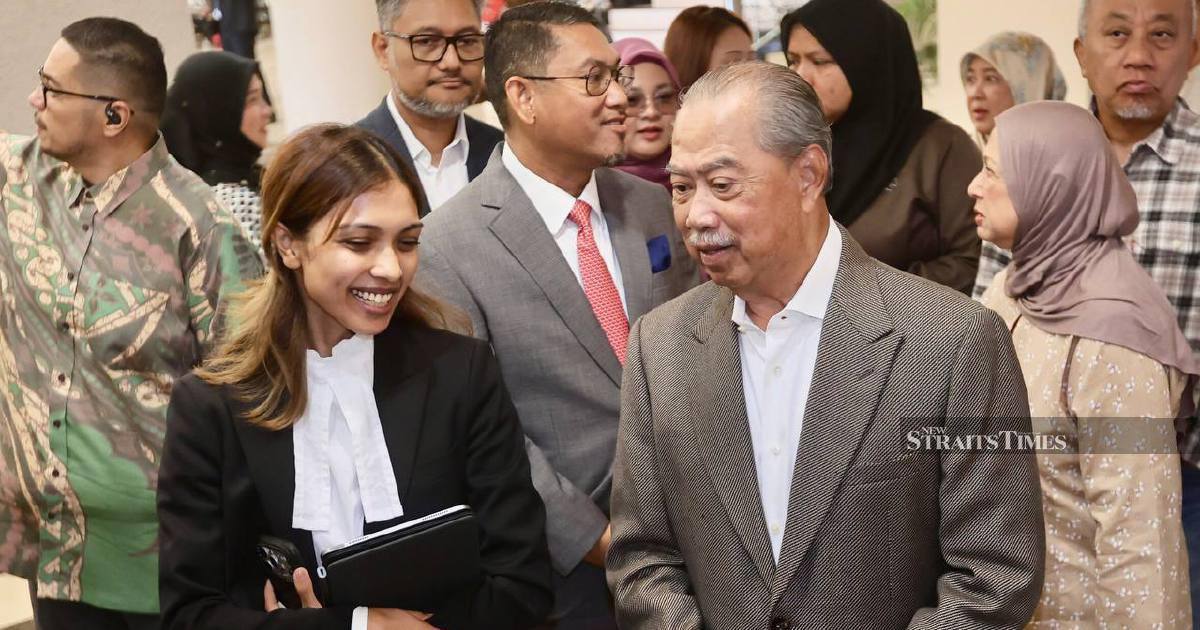
The Jana Wibawa donation case against former prime minister Tan Sri Muhyiddin Yassin took a notable turn today when a witness appearing before the High Court in Kuala Lumpur stated explicitly that the accused had never solicited financial contributions. The testimony carries weight as the trial progresses through its examination of evidence surrounding the controversial transaction that has attracted considerable political and public attention since it first surfaced in public discourse.
Donation-related cases involving senior political figures have become increasingly prominent in Malaysia's judicial landscape over recent years, reflecting broader concerns about financial transparency and political accountability in governance. The Jana Wibawa matter has particular significance given Muhyiddin's tenure as prime minister from 2020 to 2021, a period when the nation faced significant political upheaval and competing demands on institutional resources. Any findings in this case could influence public perception of leadership integrity and institutional trust during that transitional phase of Malaysian governance.
The witness account suggesting no solicitation occurred directly addresses a central element that prosecutors would need to establish if they are pursuing charges related to improper receipt of funds. In Malaysian legal proceedings involving political figures, the distinction between receiving unsolicited donations and actively requesting them carries substantial legal and political implications. This testimony therefore represents either strong defensive evidence or a challenging moment for the prosecution, depending on the credibility assessments the court ultimately makes regarding the witness's knowledge and reliability.
Muhyiddin's leadership of Bersatu and his role in Malaysian politics have been subject to intense scrutiny since his premiership concluded. The Jana Wibawa trial represents one of several legal challenges he has faced post-office, reflecting a pattern seen with other former leaders across Southeast Asia where transitions of power have triggered comprehensive reviews of governance practices. The political environment in which such trials unfold often shapes their reception among different segments of the Malaysian public, with supporters and critics interpreting developments through sharply divergent lenses.
The timing of witness testimony in high-profile political trials frequently generates substantial media coverage and public discourse. Malaysian news consumers and regional observers closely monitor proceedings involving former prime ministers, as such cases illuminate how the nation's institutions handle accountability questions at the highest levels. The evidence presented in this trial will likely influence broader conversations about political finance regulation and whether existing frameworks adequately address concerns about improper influence or quid pro quo arrangements.
Bersatu's financial arrangements and funding sources have attracted regulatory attention beyond this specific case. As a political party founded by Muhyiddin and occupying a significant position in Malaysian coalition politics, its donor base and expenditure patterns hold relevance for understanding contemporary political dynamics. Questions surrounding political party finance in Malaysia more broadly remain contested terrain, with different stakeholders advocating for varying degrees of transparency and oversight. This case may prompt fresh discussions about strengthening regulatory mechanisms.
The legal strategy evident in today's court appearance suggests the defence is working to establish that Muhyiddin conducted himself appropriately regarding any financial transactions at issue. Building a credible narrative around the circumstances of the donation—particularly establishing that it was voluntarily tendered rather than improperly solicited—constitutes a fundamental dimension of mounting an effective defence. The witness testimony contributes to constructing this narrative by introducing external confirmation of claims about Muhyiddin's conduct.
High Court proceedings in Kuala Lumpur involving senior political figures typically attract legal professionals, journalists, and observers interested in how Malaysia's judicial system addresses governance issues. The courtroom dynamics, examination patterns, and judicial rulings in such cases become part of the broader conversation about institutional independence and the rule of law. Each hearing represents an opportunity for the court to reinforce or question perceptions about equitable treatment of political elites within the judicial framework.
The Jana Wibawa trial's progression toward conclusion or adjournment will substantially depend on the cumulative impact of testimony from multiple witnesses and the evidentiary record compiled by both prosecution and defence teams. Malaysian legal observers continue assessing whether the trial exemplifies robust institutional accountability or reflects selective application of prosecutorial resources. The ultimate verdict, whenever reached, will carry significant implications beyond the immediate parties involved, potentially setting precedents for future cases touching political finance and leadership conduct.
Regional analysts monitoring Malaysia's governance trajectory will note how this trial concludes and whether findings reinforce or challenge prevailing perceptions about institutional strength and political accountability. The case occurs within Southeast Asia's broader context of judicial systems handling sensitive political matters, offering lessons and warnings relevant to neighbouring democracies wrestling with comparable questions about power, money, and institutional integrity in contemporary governance.

