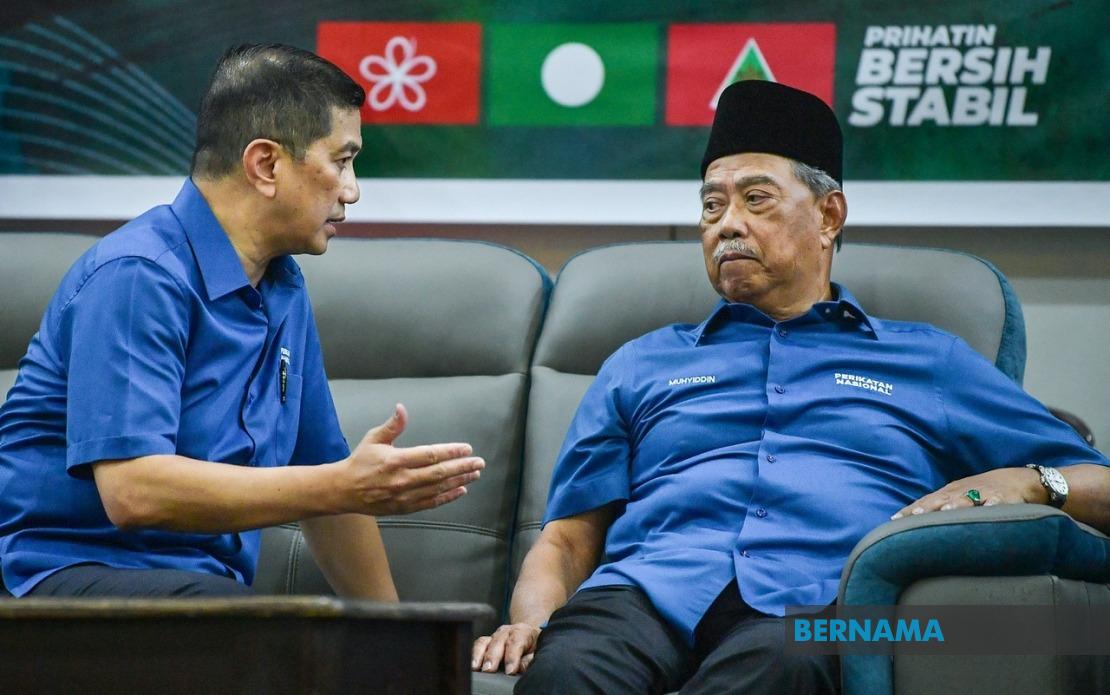
Tan Sri Muhyiddin Yassin, the president of Bersatu and former head of government, has publicly endorsed a comprehensive set of relief measures rolled out by the administration to tackle Malaysia's persistent cost-of-living challenges. The package, announced by Prime Minister Datuk Seri Anwar Ibrahim on Sunday and set to take effect from September 1, addresses multiple pressure points that have weighed on households and the business community throughout the year.
Among the most immediate changes is the restoration of the RON95 fuel subsidy cap, which will now extend to 300 litres per month instead of the previous 200-litre ceiling. This adjustment stands to benefit millions of Malaysian motorists and commercial operators who depend on affordable fuel to manage their monthly expenses and maintain operational viability. For many working families already stretched by inflation, the additional 100 litres represents tangible relief in one of the largest household budget items. The measure essentially acknowledges that the earlier subsidy threshold had become inadequate as transportation costs continued their upward trajectory.
Muhyiddin highlighted particular significance in the government's decision to raise the e-Invoicing exemption threshold, allowing businesses with annual sales up to RM3 million to sidestep the compliance requirement. This modification opens breathing room for small and medium enterprises grappling with operational burdens during an economically uncertain period. The adjustment reflects a pragmatic understanding that excessive regulatory compliance costs can stifle growth among businesses that form the backbone of Malaysia's economy and employment landscape.
The former premier particularly emphasized the importance of swift execution across all announced programmes. He stressed that merely announcing these measures carries limited value unless the responsible ministries and government agencies move decisively to release the allocated funds and ensure that intended recipients actually receive assistance. This emphasis on implementation reflects widespread frustration in Malaysian society that worthy initiatives sometimes stall in bureaucratic channels, failing to reach their intended beneficiaries efficiently.
Beyond immediate cost-of-living relief, Muhyiddin voiced strong support for initiatives targeting economic productivity and service quality. The government's commitment to inject an additional RM500 million into school maintenance addresses deteriorating infrastructure in educational institutions, a persistent complaint from parents and educators across the nation. Simultaneously, the digitalisation of healthcare services and provision of subsidised artificial intelligence software access for young Malaysians represents forward-thinking investment in human capital development and technological competitiveness.
The microcredit dimension of the package appears to resonate strongly with Muhyiddin's assessment. The government's announcement of an extra RM1 billion in micro-credit facilities specifically designed for small traders, coupled with RM200 million in direct grants targeting petty traders, night market vendors, and women operating home-based businesses, addresses a critical segment often overlooked in mainstream economic discourse. These grassroots entrepreneurs form an informal yet vital economic layer, particularly in urban and suburban Malaysia, and their ability to operate profitably directly influences household incomes and community resilience.
However, Muhyiddin has not simply offered blanket approval. He has constructively urged the government to undertake a comprehensive review of its taxation and subsidy rationalisation policies. This suggestion carries weight, as it acknowledges that sustainable cost-of-living relief requires more than temporary measures. The underlying structure of how the state subsidises essential goods and how it collects revenue through taxation fundamentally shapes citizens' financial capacity. A former premier's call for such systemic review implicitly suggests that cosmetic adjustments, however well-intentioned, cannot permanently address structural imbalances.
The endorsement from Muhyiddin, despite his position as opposition leader through Bersatu, reflects the rare consensus that emerges when economic pressures become sufficiently acute. His Facebook statement avoided partisan rhetoric and instead focused on substantive policy dimensions. This approach suggests that the cost-of-living crisis has transcended narrow political divisions, with even former government leaders prioritising pragmatic solutions over ideological positioning.
For Malaysian households, the September 1 implementation date marks a meaningful waypoint in the ongoing struggle against inflation. The fuel subsidy expansion provides immediate budgetary relief, while the longer-term investments in education, healthcare, and digital infrastructure address competitiveness concerns. For small business operators, the combined effect of e-Invoicing relief and enhanced microcredit access potentially unlocks expansion opportunities previously constrained by regulatory burdens and capital limitations.
The package's emphasis on supporting MSMEs and informal sector businesses also acknowledges an often-overlooked reality: that Malaysia's economy extends far beyond large corporations and formal employment. The night market vendors and home-based entrepreneurs targeted by these measures collectively employ hundreds of thousands and sustain countless family units. Their continued viability directly influences social stability and inclusive growth.
Moving forward, the effectiveness of these initiatives will depend entirely on execution quality and the speed with which bureaucratic processes convert announcements into disbursed funds and accessible services. Muhyiddin's reminder about prompt allocation disbursement carries particular urgency in a Malaysian context where implementation gaps frequently undermine otherwise sound policy objectives. The coming months will reveal whether these measures represent genuine structural relief or merely temporary palliatives masking deeper economic vulnerabilities.

