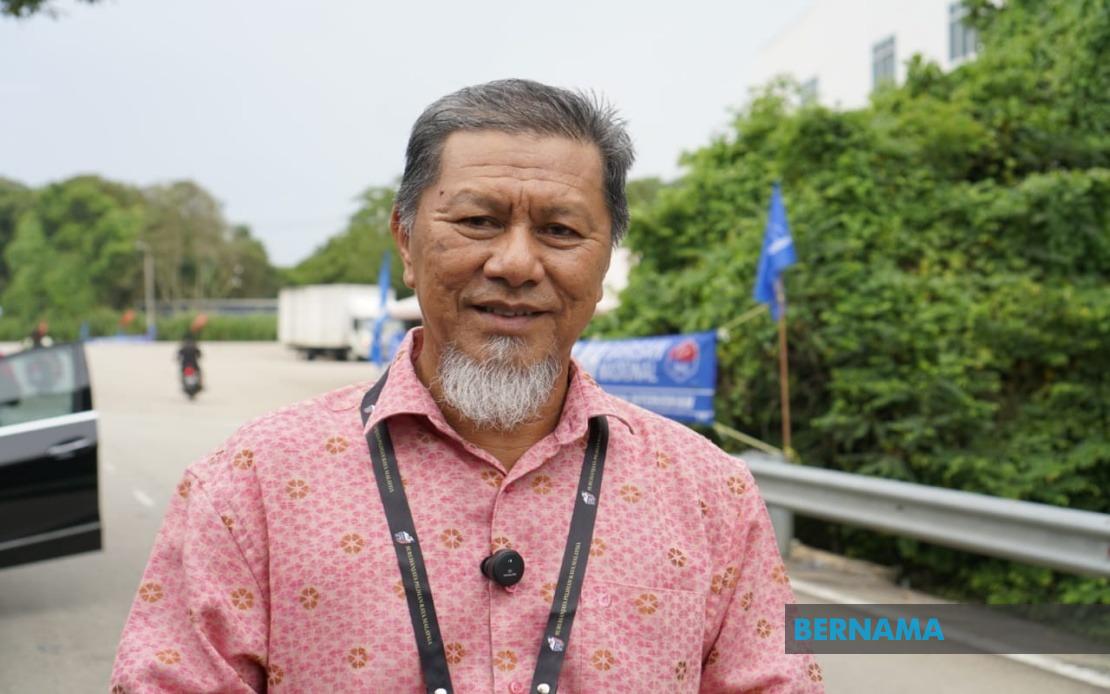
Bandar Universiti Pagoh stands at a critical juncture. The education township, home to prestigious institutions including Universiti Tun Hussein Onn Malaysia and Universiti Teknologi Malaysia, possesses untapped potential that Pakatan Harapan candidate Muhd Najib believes must be unlocked through comprehensive urban development and strategic investment. Speaking in his constituency ahead of Saturday's Johor state election, Muhd Najib outlined an ambitious vision to establish the township as a catalyst for broader socio-economic advancement across the Bukit Pasir state assembly area.
The crux of Muhd Najib's development agenda centres on recognising that Bandar Universiti Pagoh's four higher education institutions represent far more than academic anchors. They constitute the foundation for knowledge-driven economic development that could create tangible opportunities for the surrounding communities. By leveraging the presence of these universities, Muhd Najib argues, the township can evolve into a vibrant ecosystem supporting entrepreneurship, research commercialisation, and professional services that directly benefit local residents.
Currently, however, the township exhibits conspicuous infrastructure deficiencies that undermine its economic potential. Critical amenities including banking services, adequate healthcare facilities, and modern retail infrastructure remain inadequately developed, creating friction for both students and prospective business operators. These gaps represent not merely inconveniences but structural barriers preventing the township from functioning as a comprehensive economic zone. Muhd Najib contends that remediating these deficiencies forms the essential first step toward unlocking the location's inherent advantages.
Small and medium enterprises operating within and around Bandar Universiti Pagoh would emerge as primary beneficiaries under his proposed framework. By establishing supportive infrastructure and removing administrative bottlenecks, the constituency can foster a more conducive environment for entrepreneurial ventures. The proximity to university facilities and student populations creates natural market demand for services and goods, yet this opportunity remains underexploited due to inadequate supporting infrastructure. Enhanced amenities would transform this latent potential into observable economic activity that generates sustainable income streams for vendors, proprietors, and their employees.
Housing represents a complementary pillar of Muhd Najib's development strategy. Drawing on evidence suggesting that family financial stress undermines educational outcomes, he advocates for facilitating access to affordable residential accommodation. The availability of reasonably priced housing within the township could attract young professionals and academics, establishing demographic momentum that sustains longer-term economic vitality. Furthermore, reducing housing costs for existing residents liberates household income that households might redirect toward educational investment or business development.
Beyond township-specific initiatives, Muhd Najib brings singular focus to military veterans' welfare—an advocacy informed by nearly thirteen years of service within the Malaysian Armed Forces. A particularly pressing grievance concerns the pension disparity between service members who retired before 2013 and their counterparts who completed service in subsequent years. This structural inequity in retirement benefits represents not merely a fiscal issue but a matter of equity and recognition for individuals who served the nation. Muhd Najib's continued advocacy for addressing this disparity reflects a broader commitment to ensuring that veterans experience improved living standards during retirement.
The political context surrounding the Johor election carries significant implications for development agendas. Muhd Najib contests a three-cornered race against incumbent Mohamad Fazli Mohamad Salleh representing Barisan Nasional and Mohd Idzharruddin Mohd Nasirruddin of Perikatan Nasional. The 2022 election saw Mohamad Fazli secure victory with a narrow majority of merely 198 votes, suggesting substantial electoral fluidity within the constituency. This slender margin indicates that voter sentiment remains malleable and responsive to credible development proposals.
Muhd Najib's previous experience as a state representative provides a foundation for advancing these initiatives. However, the transition from holding elected office to mobilising resources and political will for comprehensive township development represents a substantial undertaking. The ambitious scope of his platform—spanning infrastructure enhancement, educational ecosystem development, housing facilitation, and veterans' welfare advocacy—requires sustained commitment and effective coordination with multiple stakeholder groups.
The broader Malaysian context amplifies the significance of integrated township development strategies. Urban centres across the nation increasingly recognise that educational hubs represent underutilised drivers of regional development. Cities like Bandar Universiti Pagoh that combine educational institutions with developing commercial ecosystems could serve as models for balanced growth extending beyond the Klang Valley and established metropolitan areas. Successfully implementing such a vision in Johor would demonstrate replicability for other constituencies contemplating comparable development pathways.
Voter sentiment in the constituency appears receptive to Muhd Najib's development messaging. He reports receiving encouraging responses during constituency engagement activities, characterising support as consistent and substantive. This perceived backing suggests that residents recognise existing development deficiencies and view credible commitment to infrastructure enhancement as valuable. However, translating positive sentiment into electoral support depends upon whether voters ultimately believe Muhd Najib possesses both the intention and capability to deliver promised improvements.
The 16th Johor state election encompasses broader significance beyond individual constituencies. With 172 candidates contesting 56 assembly seats and over 2.7 million eligible voters participating, the election outcome will shape the state's political direction for the coming term. Development agendas like those advanced by Muhd Najib offer voters substantive platforms upon which to evaluate candidates' competence and commitment to constituency advancement. The depth and specificity of Muhd Najib's proposals regarding Bandar Universiti Pagoh reflect recognition that contemporary voters increasingly demand detailed developmental strategies rather than generic pledges.

