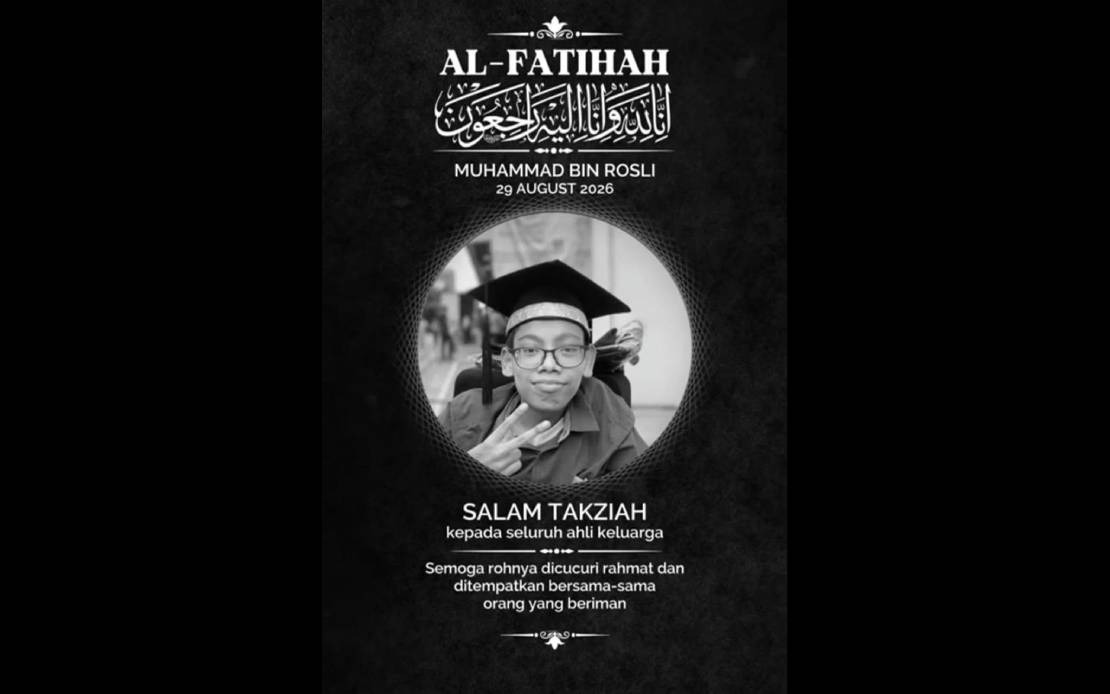
Muhammad Rosli, who made medical history as part of Malaysia's most celebrated conjoined twin separation, died on Thursday morning at Chancellor Tuanku Muhriz Hospital in Cheras, ending a decades-long journey that began when surgeons first attempted to divide his shared liver with his twin brother Ahmad. The 42-year-old passed away at 10:45 am, with his brother announcing the death through a heartfelt Facebook message that thanked well-wishers for their prayers and support throughout his medical struggles. His remains were laid to rest at USJ 22 Muslim Cemetery in Subang Jaya the same evening, concluding a remarkable chapter in Malaysian medical achievement and family resilience.
Muhammad's death followed an illness that began this year when he was diagnosed with bladder cancer, a condition that required extensive treatment at King Fahd National Guard Hospital in Riyadh starting in July. The medical team overseeing his care administered an aggressive treatment protocol involving five separate surgical procedures coupled with five rounds of chemotherapy in an attempt to combat the malignancy. Despite initial success in clearing the cancer, Muhammad's condition deteriorated sharply in recent days when his blood acid levels soared to dangerous heights, leaving him unable to maintain consciousness and signalling the beginning of the end.
The Rosli twins first captured the imagination of Malaysians and the international medical community in the late 1990s when doctors discovered that Muhammad and Ahmad, born conjoined at the liver, could potentially be separated through pioneering surgical intervention. Their condition represented one of the most complex cases of conjoined twins documented in modern medicine, given the shared organ that bound them together. In 2001, preliminary preparatory work began at University Malaya Medical Centre as the medical team planned the intricate procedure that would allow both brothers to live independently, marking a turning point in their young lives.
The landmark separation surgery itself took place in September 2002 at King Fahd National Guard Hospital, a facility in Riyadh that had developed significant expertise in managing complicated congenital cases. The procedure lasted an extraordinary 22 hours and 45 minutes, requiring multiple surgical teams working in coordinated concert to safely divide the liver tissue and reconstruct the abdominal cavities of both twins. The operation represented a triumph of Malaysian medicine and international surgical collaboration, drawing praise from medical professionals worldwide and offering hope to families with similar conditions. Both Muhammad and Ahmad emerged from theatre alive and ultimately healthy, a success rate that remained rare even by contemporary standards.
For the past two decades, Muhammad lived a relatively normal life following his recovery from the separation surgery, though he remained under periodic medical observation given the complexity of his original condition and the risks inherent in liver-splitting procedures. His case became a source of national pride, regularly cited as an example of Malaysian medical excellence and the nation's capacity to handle world-class surgical challenges. Photographs and accounts of the Rosli twins appeared in textbooks and medical journals, their story serving as inspiration for other families facing similar heartbreak. The separation allowed both brothers to pursue individual lives, attend school, and eventually build careers, transforming from subjects of medical curiosity into ordinary Malaysians living with extraordinary histories.
The emergence of bladder cancer in Muhammad's later years introduced a new chapter of medical adversity for a man whose life had already been marked by significant health challenges. Unlike the congenital condition that bound him to his brother, this malignancy developed independently during his middle age, suggesting it was unrelated to his earlier surgery or the structural modifications made to his anatomy. The decision to seek treatment in Saudi Arabia, at the same hospital where the separation surgery had been performed, demonstrated the family's continued trust in the medical institution that had played such a crucial role in their lives. The choice also reflected the sophisticated oncological facilities available in the Kingdom, which has invested heavily in cancer treatment capabilities.
Ahmad's public announcement of his twin's death emphasized the role of faith and community support in navigating the loss, acknowledging the prayers and best wishes that sustained the family during Muhammad's illness. The brothers, despite being surgically separated more than twenty years ago, maintained a close bond reflected in Ahmad's decision to personally communicate the news of his death to their extensive circle of well-wishers and supporters. The twin's passing removes one half of a story that had become woven into Malaysia's contemporary medical history, leaving Ahmad as the sole surviving testament to one of the nation's most remarkable surgical achievements.
For the broader Malaysian medical community, Muhammad's death serves as a poignant reminder of the long-term health considerations facing individuals who undergo such pioneering procedures. While the 2002 separation was universally acknowledged as successful, the question of whether such complex surgery carries increased risks for developing serious illnesses later in life remains an area requiring further research and analysis. The case underscores the need for comprehensive, lifelong follow-up protocols for patients who undergo transformative surgical interventions, particularly those involving organ division and complex reconstruction. Muhammad's journey from conjoined twin to independent adult to cancer patient reflects both the possibilities and limitations of modern surgical medicine.
The legacy of Muhammad Rosli extends beyond his individual life story, encompassing the pioneering work of Malaysian surgeons and international specialists who recognized the potential for separation and pursued it with skill and determination. His death concludes one of the most talked-about medical narratives in recent Malaysian history, yet the impact of the separation surgery itself endures through the decades of independent life it enabled for both brothers. The case continues to influence how medical teams approach conjoined twins globally, offering valuable lessons about surgical planning, post-operative management, and the psychological and social dimensions of such extraordinary interventions. As Malaysia reflects on the loss of one half of its most celebrated sibling pair, the story of the Rosli twins remains an enduring testament to human resilience, medical innovation, and the complex intersections between technology, chance, and fate.

