The Muar District Office has pushed back against suggestions that it prevented Prime Minister Datuk Seri Anwar Ibrahim from holding a public engagement with local residents on June 15, instead characterising the situation as a relocation undertaken for legitimate administrative purposes. The clarification comes as the Johor state election approaches, with voting scheduled for July 11 and early polling set for July 7, a politically sensitive timeframe when questions about the conduct of government machinery have drawn heightened scrutiny.
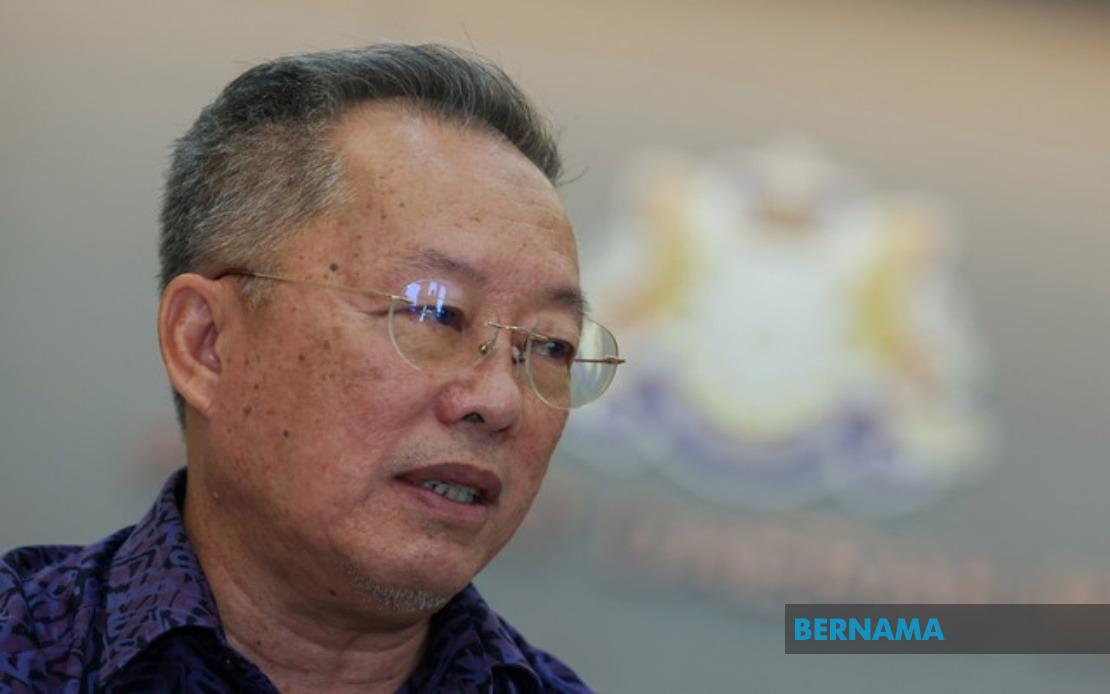
District Officer Zainal Eran explained that the administration requested the programme be moved from its original location at the Sungai Balang Mukim Penghulu Complex to Pantai Leka Food Court Square following consultations between the district office and the Johor State Development Office. This decision, Zainal emphasized, reflected a commitment to maintaining the principle of neutrality in how government resources and facilities are deployed, particularly preventing state buildings from becoming venues for partisan political activities or campaign rallies.
The relocation decision was prompted by several operational challenges that emerged during the planning phase. According to Zainal, the event organisers provided fewer than 24 hours of formal notice and supplied limited details about the programme structure, duration and expected attendance figures. This compressed timeline created difficulties for district authorities attempting to coordinate logistics, security arrangements and traffic management in a manner befitting an official government engagement involving the Prime Minister. The lack of adequate advance planning raised questions about whether proper protocols had been followed before committing government assets.
Zainal further noted that the concerns motivating the relocation proved prescient when district officials inspected the area surrounding the new venue on the morning of the event. Political party flags had already been erected around the Pantai Leka Food Court Square, despite the official campaign period for the Johor state election not yet having commenced. This discovery reinforced the district administration's conviction that utilising government buildings for the original programme might have created perceptions of state resources being channelled toward partisan political purposes, regardless of the actual intent behind the engagement.
Despite the venue change, the programme ultimately proceeded and achieved the objectives its organisers had set out to accomplish. The event attracted substantial attendance from federal government leaders, officials representing various government agencies and members of the surrounding rural communities. Zainal underscored this point to counter narratives suggesting the district had somehow sabotaged or obstructed the Prime Minister's engagement with constituents. From the administration's perspective, the decision to relocate the venue was a procedural adjustment designed to preserve institutional neutrality, not an attempt to prevent the Prime Minister from meeting the public.
The incident reflects broader tensions surrounding the appropriate use of government facilities during election periods in Malaysia, particularly at the state level. Election commissions and administrative authorities across the country maintain guidelines designed to prevent state resources from being perceived as supporting any particular political party or candidate. However, the practical application of these principles, especially when senior federal officials are involved in community engagement activities, can generate friction between implementing officers and political leadership. What district administrators interpret as necessary precautions to maintain institutional integrity may sometimes be perceived by political actors as unnecessary obstruction or impedance.
Zainal made a direct appeal for all parties involved to cease characterising the matter in political terms and instead recognise the administration's actions as grounded in established governance principles. He emphasised that the programme had proceeded peacefully and in an orderly manner at its new location, thereby demonstrating that the district's primary concern remained ensuring the event's success while simultaneously upholding standards of governmental impartiality. This framing attempts to remove the incident from the realm of political contestation by presenting it as a straightforward application of administrative protocol.
For Malaysian readers observing these dynamics, the Muar situation encapsulates recurring challenges that arise when federal and state administrative structures navigate the intersection of governance and electoral politics. State administrations operating under different political leadership than the federal government sometimes face accusations that procedural decisions are motivated by partisan considerations rather than legitimate administrative grounds. Conversely, state authorities argue they are simply enforcing established rules designed to protect public institutions from being weaponised for electoral advantage.
The timing of this clarification, with the Johor election just days away, underscores how administrative decisions at the district level can become nationally significant political talking points. Media coverage of such incidents can shape public perception of government competence and political impartiality, influencing voter sentiment during critical electoral windows. District officials like Zainal find themselves navigating a delicate balance between implementing rules consistently and avoiding the impression that they are deliberately hampering the work of higher-ranking federal leaders.
Looking at the broader implications for Southeast Asian governance, Malaysia's approach to managing electoral neutrality through administrative channels demonstrates both the strengths and limitations of institutional frameworks designed to protect election integrity. While clear rules exist regarding the deployment of government resources during electoral periods, their implementation by lower-level officials sometimes generates disputes about whether the rules have been applied fairly or whether administrative decisions mask political motivations. Establishing greater transparency in decision-making processes and clearer communication channels between different layers of government could help minimise such controversies in future electoral cycles.

