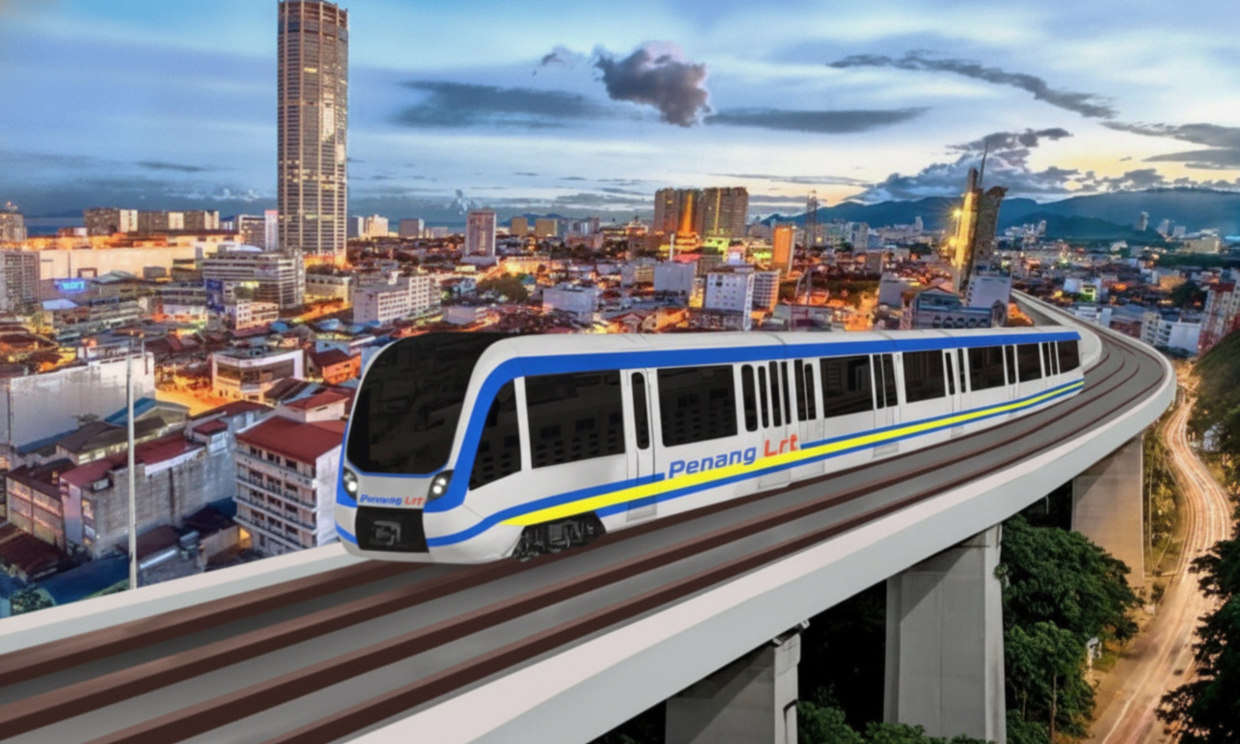
Malaysian Resources Corp Bhd (MRCB) has clinched a substantial RM3.028 billion contract to deliver the railway systems package for the Penang Light Rail Transit Mutiara Line, one of the most ambitious infrastructure undertakings in the northern region. The company announced the award through a filing with Bursa Malaysia, signalling a major milestone for both the contractor and the state's long-term transportation ambitions.
The joint venture arrangement pairing MRCB with Theta Edge on a 90:10 basis underscores the collaborative approach increasingly adopted in Malaysia's major infrastructure projects. This structure allows MRCB, the dominant partner, to leverage its established track record while providing Theta Edge with meaningful participation in a transformative regional project. The weighting reflects MRCB's status as the lead contractor responsible for overall delivery and accountability.
The scope of work is comprehensive and spans nearly six decades in duration. Over the 68.8-month implementation period, MRCB must handle the complete lifecycle of railway system integration—from initial design through to successful commissioning and subsequent maintenance operations. This encompasses not merely the procurement and installation of rolling stock but equally critical elements including the sophisticated signalling infrastructure necessary for safe train operations, reliable power distribution systems, telecommunications networks for operational coordination, and the integrated ticketing framework that will interface with passengers and other transport modes.
The railway systems component represents the technological nerve centre of any modern LRT network. The signalling systems determine operational capacity and safety margins, while the power supply infrastructure must sustain consistent, uninterrupted service across all operational hours. The ticketing systems integration is particularly significant for Malaysian commuters accustomed to seamless payment experiences; they increasingly expect compatibility with existing transit cards and digital payment platforms used across other transport networks nationally.
For MRCB, the financial implications are substantial and strategically positioned. The company explicitly noted in its regulatory filing that successful execution will contribute positively to future earnings, providing a multi-year revenue stream and opportunities for operational profit margins on maintenance services that typically extend well beyond initial construction completion. The contract's length means MRCB will maintain presence and generate cashflow throughout the 2020s, providing stability for investor returns and workforce planning.
The construction and infrastructure sectors in Malaysia have become increasingly conscious of risk management as project costs have escalated and material price volatility has become more pronounced. MRCB's statement acknowledging exposure to normal construction risks—particularly material and equipment price fluctuations—reflects sober recognition of current global supply chain uncertainties. However, the company expressed confidence grounded in its established operational procedures and experience managing comparable large-scale infrastructure initiatives, suggesting institutional capability to absorb cost pressures through proven management techniques.
Penang's LRT Mutiara Line represents a transformative transport investment for a state facing growing urban congestion and commuter pressures. The project aligns with broader Malaysian infrastructure modernization efforts and specifically addresses Penang's development as an economic corridor requiring enhanced intra-regional connectivity. Successful delivery of reliable, integrated railway systems will be essential to justifying the substantial public investment and achieving projected ridership targets that underpin project economics.
The market responded positively to the announcement, with MRCB's share price appreciating one sen to 32 sen by midday trading, representing a 3.23% gain. Theta Edge's participation generated more pronounced enthusiasm, with its shares surging 14 sen to 69 sen—a 25.45% increase—reflecting investor recognition of the contract's value and the joint venture's ability to execute. These movements suggest confidence within investor circles regarding project viability and contractor capability.
For Malaysian construction and engineering sectors, this award reinforces the nation's capacity to manage major transport infrastructure development domestically. Rather than relying entirely on foreign contractors, MRCB's predominant role demonstrates confidence in local expertise for complex railway system integration. This has broader implications for the industry's competitive positioning and capability development, particularly as Malaysia pursues additional major transport corridors including the Pan-Borneo Highway and various urban rapid transit extensions.
The Penang LRT project remains dependent on successful project finance, land acquisition, and regulatory approvals, yet the railway systems contract award represents concrete progress toward implementation. MRCB's engagement signals that commercial viability assessments have sufficiently advanced to justify major contractor commitment. For Penang residents and commuters, the contract award brings tangible infrastructure benefits closer to realization, though actual service commencement remains several years distant pending completion of civil works and system integration phases.
This contract award also carries implications for regional infrastructure investment patterns. Penang's continued investment in transport infrastructure maintains its competitiveness as Malaysia's primary economic zone outside Klang Valley, essential given competition from other Southeast Asian manufacturing and logistics hubs. The LRT Mutiara Line is ultimately an investment in the state's long-term economic viability and resident quality of life, with MRCB now positioned as a critical delivery partner in that broader development narrative.

