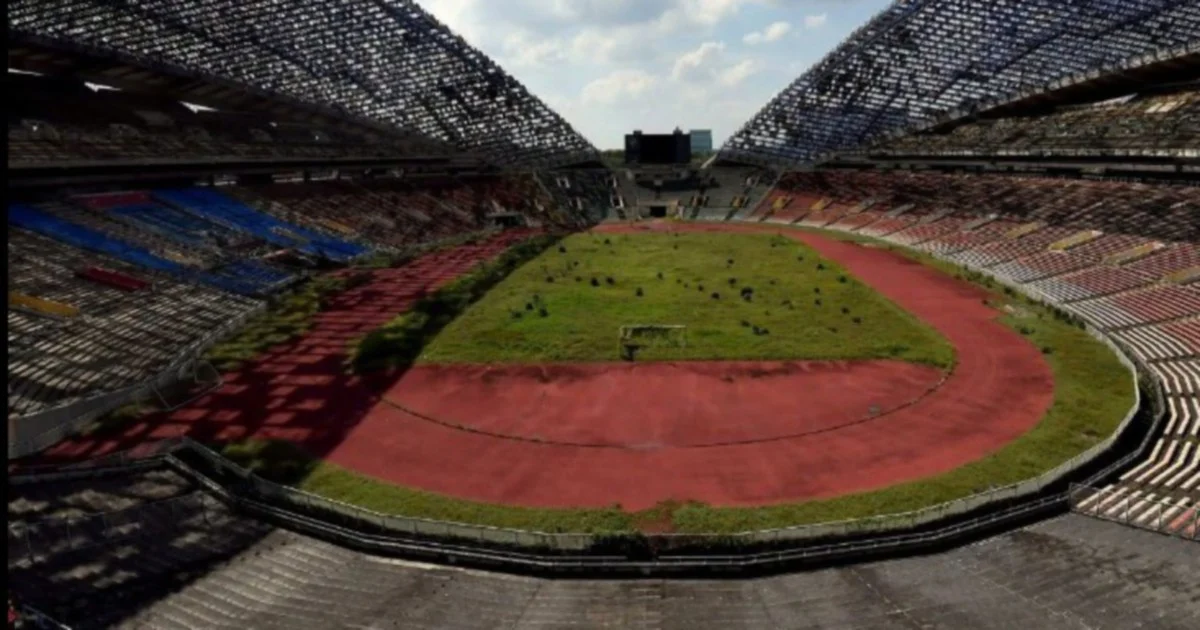
Malaysian Resources Corporation Bhd (MRCB) has successfully obtained a consent judgment from the Shah Alam High Court against activist Abdul Razak Ismail concerning online publications related to the demolition and redevelopment of Shah Alam Stadium. The company argued that the activist's statements published across digital platforms had resulted in substantial economic damage to the corporation, prompting the legal action that culminated in this court ruling.
The consent order represents a significant legal victory for MRCB in its efforts to protect its commercial interests and reputation in the context of the controversial stadium project. Shah Alam Stadium, once a landmark sporting facility in Selangor, has been at the centre of debate regarding urban redevelopment priorities and the balance between preserving public infrastructure and facilitating private commercial ventures. The court's decision underscores the judiciary's recognition of how digital discourse can have material business consequences.
Abdul Razak Ismail, known for his activism on urban planning and infrastructure matters, had publicly questioned and critiqued the demolition project through various online channels. His publications raised concerns about the stadium's historical significance and the implications of its removal for the local community. However, from MRCB's perspective, these statements went beyond legitimate criticism and ventured into territory that misrepresented facts and harmed the company's commercial standing and ability to proceed with its project plans.
The nature of consent judgments in Malaysian law means that both parties agreed to the terms of the settlement without necessarily admitting fault on either side. This procedural mechanism allows disputes to be resolved through mutual agreement rather than contested litigation, though the court still formally registers the judgment. In this case, the consent order establishes a legal boundary around what the activist can publicly communicate regarding the Shah Alam Stadium matter going forward.
The case reflects broader tensions in Malaysia's property development landscape, where large infrastructure projects frequently intersect with community concerns and public interest debates. Developers like MRCB often face scrutiny from civic activists and concerned citizens who question whether such redevelopment initiatives serve the public good or primarily benefit corporate interests. The legal system's role in mediating these conflicts has become increasingly important as digital platforms amplify dissenting voices.
For Malaysian readers and observers of the property sector, this judgment carries implications for how corporate entities may respond to online criticism and activism. The case suggests that courts are willing to entertain arguments about economic damage resulting from digital publications, potentially creating precedents that could influence future disputes between developers and their critics. This dynamic warrants careful attention from those concerned with preserving space for legitimate public discourse about major urban projects.
The Shah Alam Stadium itself has been a focal point of developmental debate in Selangor. Once hosting significant sporting and cultural events, the facility's transformation reflects shifting priorities in how Malaysian cities allocate precious urban land. MRCB's redevelopment plans for the site would fundamentally alter its character and function, converting what was public sporting infrastructure into a commercial mixed-use development. Activists like Abdul Razak Ismail have argued that such conversions represent a loss of public assets and community gathering spaces.
The company's decision to pursue legal action against the activist reflects how seriously MRCB viewed the economic implications of the online publications. Whether the statements directly caused measurable business losses or whether MRCB's concern was more about reputational management remains a matter of interpretation, but the court's agreement to issue the consent order suggests the judicial system found merit in at least some of the company's arguments about the impact of the digital discourse.
This case also illustrates the evolving relationship between activism, digital media, and corporate power in contemporary Malaysia. As social media and online platforms have become primary channels for civic engagement and public debate, the legal framework governing what activists can say about business ventures has become increasingly relevant. The balance between protecting corporate interests and preserving robust public discourse about major development projects represents an ongoing tension in Malaysian society.
Moving forward, the consent judgment may have a chilling effect on how activists approach criticism of MRCB's projects and potentially other major developments in Malaysia. Other civic campaigners may become more cautious about what they publish online regarding contentious infrastructure projects, knowing that courts are prepared to issue orders against those whose statements are deemed economically damaging. This could reshape the landscape of public debate around development issues.
The Shah Alam Stadium case ultimately reflects how Malaysian courts are grappling with the intersection of free expression, corporate protection, and public interest in an increasingly digital age. While MRCB has achieved a legal victory, the underlying questions about how cities should balance development with community needs and public assets remain contested, likely to resurface in future debates about Selangor's urban landscape and the allocation of its strategic land resources.

