The Ipoh police have moved swiftly to apprehend three family members accused of executing an elaborate impersonation scheme that targeted a vulnerable 67-year-old woman in a brazen daylight fraud. The arrests mark another arrest in a troubling pattern of identity-theft crimes that have become increasingly sophisticated in preying on the elderly, a demographic that remains susceptible to social manipulation and psychological tactics employed by organised criminal rings.
The suspects, comprising a mother and her two offspring, allegedly gained unauthorised access to the victim's residence by misrepresenting themselves as representatives of a government welfare agency. This tactic—creating false legitimacy through official-sounding credentials and adopting the demeanour of public servants—has proven disturbingly effective in breaking down the natural resistance and caution that might otherwise protect victims from theft. By assuming an air of bureaucratic authority, the perpetrators were able to manoeuvre themselves into the woman's home and secure her trust long enough to execute their fraudulent objective.
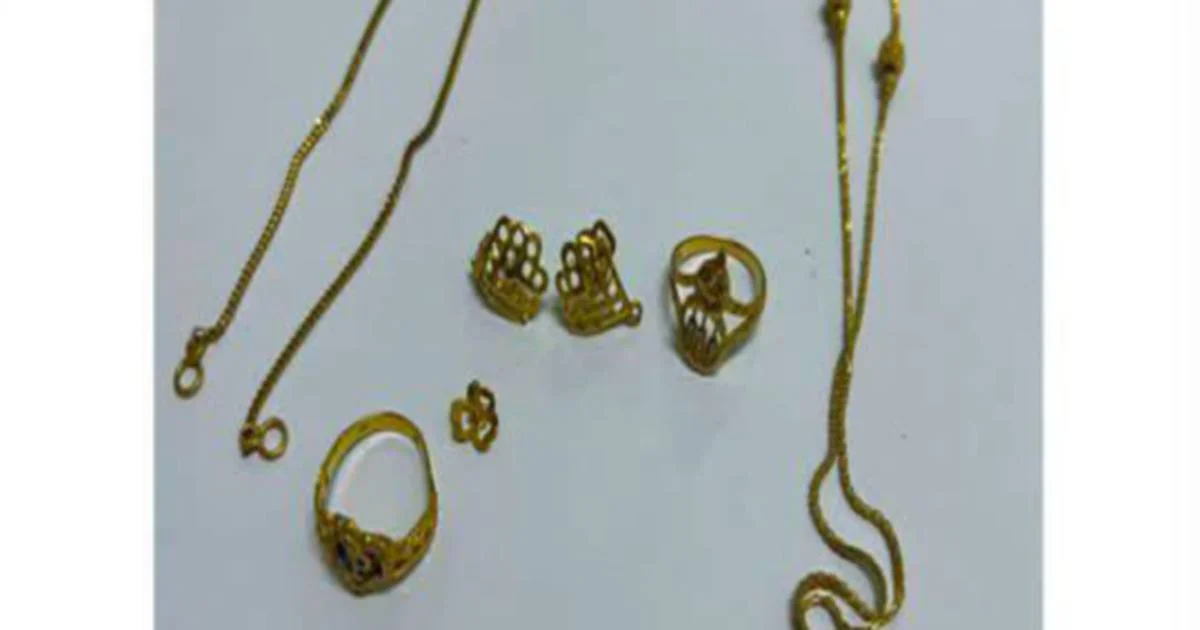
Once inside the property, the trio allegedly convinced the elderly woman to surrender jewellery pieces totalling approximately RM8,000 in value. The theft appears carefully orchestrated, with the suspects having conducted reconnaissance to identify items of substantial worth before executing the crime. What distinguishes this particular case is the direct physical theft rather than a purely financial manipulation—the perpetrators targeted tangible assets that could be readily liquidated or pawned, reducing the time lag between crime and conversion into cash.
The use of government agency impersonation represents a particularly brazen form of fraud that exploits the natural deference many Malaysians, particularly older citizens, extend towards official representatives. The respect for authority structures in Malaysian society becomes weaponised when criminals don the mantle of legitimacy, leveraging cultural conditioning to disarm potential resistance. This case underscores why elderly persons frequently become targets—they have grown up in eras where authority figures were unquestioningly trusted, and this ingrained respect becomes a vulnerability when exploited by callous criminals.
For Malaysian communities, particularly in Perak where Ipoh is located, this arrest signals both a success in police responsiveness and a broader warning about home security and verification protocols. Residents should establish routine practices of confirming the legitimacy of unexpected visitors claiming to represent government agencies, even when such visitors display apparent credentials. Real welfare officers can always be verified through direct telephone calls to their employing agencies, a simple precaution that could prevent considerable loss.
The involvement of multiple family members in this scheme suggests a potentially organised criminal network rather than opportunistic crime. When mothers and adult children collaborate in elaborate fraud, it indicates planning, division of labour, and established patterns of criminality that may extend beyond this single incident. Investigators will likely probe whether these three suspects have been involved in additional frauds, and whether they represent a broader network targeting vulnerable demographics across the state or region.
This case also highlights deficiencies in how vulnerable populations are currently protected. While police response has been commendable, there remains insufficient systemic prevention through public education and awareness programmes targeting the elderly about such threats. Community leaders, neighbourhood watch organisations, and family members of older citizens must collectively assume greater responsibility in creating protective environments and fostering critical thinking about unsolicited visits from officials.
The value of the stolen jewellery—roughly RM8,000—while significant to an individual pensioner, is relatively modest from a criminal proceeds perspective, suggesting these offenders may view elderly households as soft targets yielding quick returns rather than opportunities for substantial criminal enrichment. This makes the crime particularly exploitative: the perpetrators are not targeting wealthy individuals for major thefts, but rather targeting those with modest means whose loss of RM8,000 represents genuine hardship and diminished retirement security.
Moving forward, this case should prompt insurance and financial advisory services to recommend that elderly individuals maintain documentation and photographs of valuable items kept at home, separately stored in secure locations. Additionally, the incident reinforces the necessity for family members to check regularly on older relatives, establishing systems whereby unexpected visits from officials or service providers can be quickly verified through trusted networks.
The arrests in Ipoh demonstrate that police can and do respond effectively to such crimes when reported. However, prevention through community vigilance remains far more efficient than detection and prosecution after the fact. For readers across Malaysia, this case serves as a timely reminder that criminal enterprises continue adapting and exploiting psychological vulnerabilities, and that maintaining skepticism towards unsolicited official visitors—while still exercising courtesy—represents a reasonable and prudent personal security measure that could prevent becoming the next victim.

