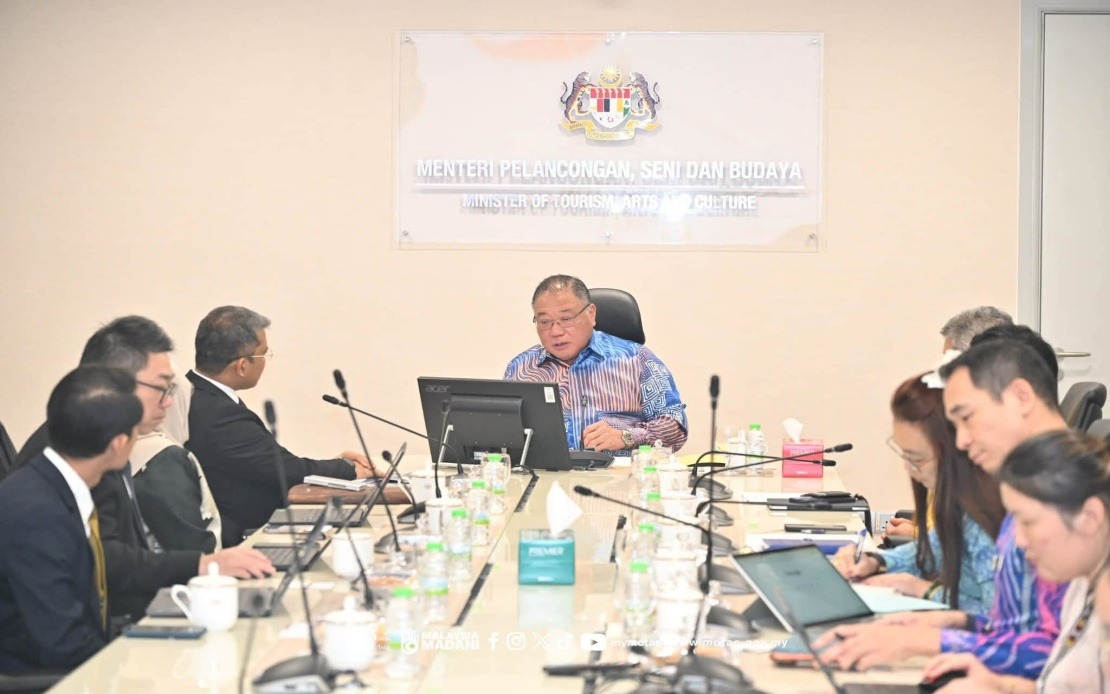
The Ministry of Tourism, Arts and Culture and Malaysia Aviation Group have committed to deepening their strategic alliance to elevate Malaysia's position as a competitive tourist destination. Discussions between Tourism, Arts and Culture Minister Datuk Seri Tiong King Sing and MAG Group president and chief executive officer Captain Nasaruddin A Bakar centred on coordinated initiatives aimed at drawing substantially more international arrivals, with particular emphasis on ensuring the success of the Visit Malaysia Year 2026 campaign that has been extended through 2026.
A cornerstone of this reinforced partnership involves expanding MAG's international flight operations into high-potential markets. The airline intends to broaden its route network into India, China and Europe—regions representing significant tourist-generating demographics for Malaysia. These markets have demonstrated consistent growth in outbound travel expenditure and rising middle-class populations with both disposable income and interest in Southeast Asian experiences. Beyond these established corridors, MAG is exploring entry into additional destinations such as Fukuoka in Japan, a move that would diversify Malaysia's source markets geographically and reduce dependency on traditional visitor origins.
The collaboration extends to sophisticated revenue management strategies designed to address one of the aviation industry's persistent challenges: maintaining strong passenger loads throughout periods of traditionally weak demand. Both MOTAC and MAG plan to develop coordinated marketing campaigns and promotional flight offers calibrated to stimulate bookings during seasonal troughs. This approach recognizes that low-season tourism challenges affect not merely airlines but entire value chains within Malaysia's hospitality and attractions sectors. By collaborating on targeted incentives, the partnership aims to smooth demand patterns and generate more consistent revenue throughout the calendar year.
Enhancing the quality of passenger experience constitutes another critical dimension of the partnership. MAG has undertaken to upgrade cabin facilities, refine in-flight catering offerings, and intensify crew training programmes. These improvements address a well-documented reality: tourists' satisfaction with ground experiences in Malaysia depends partly on their journey experience. International visitors who begin their Malaysian visit with superior in-flight service develop more favourable impressions before even reaching the destination. Moreover, well-trained cabin crew serve as informal ambassadors for Malaysia, fielding questions about attractions, cultural nuances, and travel logistics that shape visitor expectations and itineraries.
The domestic tourism ecosystem receives particular attention in this partnership framework. Both organisations recognise that international visitor spending generates multiplier effects throughout local communities when money flows to local operators, guides, hospitality staff, and artisans. MOTAC and MAG have pledged to structure their collaboration in ways that amplify benefits for Malaysian tourism businesses—from boutique hotels and heritage sites to transport operators and food establishments. This inclusive approach acknowledges that successful international tourism requires robust domestic supply chains and professional service providers at all levels.
The timing of this reinforced partnership proves strategically significant given Malaysia's competitive position in Southeast Asia's tourism landscape. Neighbouring destinations including Thailand, Indonesia and Vietnam have intensified marketing campaigns and invested substantially in aviation connectivity. Malaysia's reliance on a single national carrier—albeit a capable one—necessitates that MAG and government tourism authorities work in unprecedented synchronization. This partnership model, where a commercial enterprise and government ministry align incentive structures and strategic planning, offers a template potentially applicable to other sectors facing international competition.
From a macroeconomic perspective, tourism expansion directly supports Malaysia's revenue generation and foreign exchange earnings. The Visit Malaysia Year 2026 campaign, by extension into 2026, represents a deliberate attempt to capitalise on what the government evidently perceives as a multi-year opportunity window. International visitor arrivals drive spending across accommodation, dining, transportation, shopping and attractions—sectors collectively representing significant employment and GDP contribution. By coordinating at the ministry and national carrier level, authorities signal confidence in Malaysia's tourism potential whilst demonstrating determination to capture market share during this extended promotional period.
The partnership also reflects evolving recognition of how geopolitics and regional connectivity shape tourism flows. India represents an especially promising market, with rising affluence and established communities in Malaysia creating both familiarity and visitation incentives. Similarly, Chinese tourists remain crucial to regional tourism economics despite periodic policy fluctuations affecting travel patterns. European markets, though sometimes overlooked in Asian tourism discussions, encompass considerable outbound travel capacity and typically spend more per capita than some Asian source markets. Fukuoka expansion targets Japanese visitors, a market historically valuable for higher spending per capita and longer average stays.
For Malaysian readers and businesses, this partnership holds tangible implications. Tourism-dependent regions—particularly Kuala Lumpur, Penang and Sabah—should anticipate increased international visitor arrivals and competition for tourism rupiah. Small and medium-sized tourism enterprises would be well-served to prepare for potential customer surges by enhancing service quality and operational readiness. Additionally, employment opportunities in hospitality, guiding and tourism-related services should expand as visitor numbers rise, potentially easing job market pressures in tourism-dependent communities.
The structural cooperation between MOTAC and MAG represents governance sophistication, breaking down silos between government policy-making and commercial enterprise operations. Success requires sustained commitment beyond initial announcements, with both parties maintaining alignment despite differing organisational incentives. Regular performance review, transparent communication regarding progress against targets, and willingness to adjust strategies based on market feedback will determine whether this partnership translates aspirational statements into measurable tourism growth benefiting Malaysian economy and communities.

