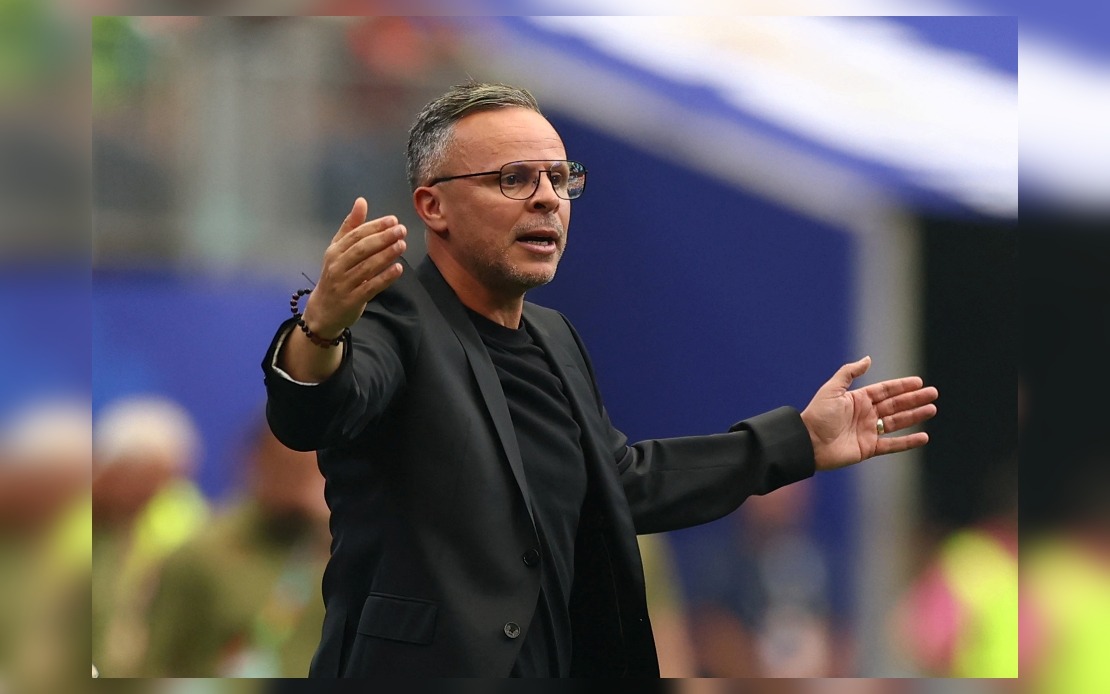
Morocco has transcended its role as a tournament dark horse and now demands recognition as a formidable footballing force, according to head coach Mohamed Ouahbi following his team's emphatic 3-0 demolition of Canada in the World Cup Round of 16. The statement carries weight beyond mere post-match rhetoric, signalling a fundamental shift in how the African powerhouse perceives its standing on the global stage. With this victory, Morocco has claimed its second consecutive appearance in the quarterfinals, building on its historic semifinal run in 2022 that established it as the first African nation to reach that stage in modern World Cup history.
Ouahbi's assertion that Morocco represents a "major footballing nation" rather than a fleeting surprise reflects the genuine evolution of North African football infrastructure and talent development. The distinction matters for Southeast Asian football observers and aspiring footballing nations across Asia, as it demonstrates how sustained investment in player development, tactical sophistication, and institutional stability can elevate a country's competitive standing. Morocco's trajectory over the past two years offers instructive lessons for developing football programmes seeking to establish themselves as continental and global forces.
The match itself showcased the versatility required of elite World Cup performers. Canada dominated possession in the opening period, maintaining relentless pressure that momentarily unsettled the Moroccan defence and generated the kind of ball-winning transitions that typically trouble well-organized teams. The hosts' aggressive setup forced occasional lapses in Moroccan composure, yet these early struggles proved inconsequential against the team's second-half adjustments. This capacity to absorb pressure and execute corrective measures under tournament conditions separates aspiring teams from genuine contenders.
The tactical transformation Ouahbi implemented during the interval proved decisive in controlling the match's trajectory. By adjusting positioning and pressing angles, Morocco regained compositional dominance and systematically dismangled Canada's attacking structure. The coach emphasized how deliberate passes penetrating behind the Canadian defensive line compelled the hosts to defend with their goal at their backs—a positioning that inherently disadvantages teams seeking to maintain offensive initiative. This emphasis on positional play and defensive discomfort demonstrates the psychological dimension of modern football strategy that extends beyond simple formation adjustments.
Azzedine Ounahi's brace and Soufiane Rahimi's clinching goal arrived during this dominant second-half spell, transforming what could have remained a tightly contested encounter into a statement performance. The 3-0 margin proves particularly significant given Ouahbi's acknowledgment that such scorelines remain uncommon at this tournament stage. His expectation that Canada would provide substantial resistance—and his satisfaction that his team overcame that challenge comprehensively—reinforces Morocco's elevated competitive status.
The broader context of Morocco's World Cup journey carries implications for African football's global trajectory and, by extension, for emerging Asian footballing nations observing these developments. By consistently competing at the tournament's highest level rather than treating qualification as an achievement unto itself, Morocco has established expectations for continental peers and inspiration for nations at similar developmental stages. This psychological shift from surprise participant to expected competitor fundamentally alters how tournaments unfold and how rival nations prepare strategically.
Morocco's next challenge against France introduces a different competitive dimension. The French side, despite their world champion status and deeper tournament experience, enters this quarterfinal without the contemporary dominance that characterized their 2022 campaign. Ouahbi's declaration that his team harbours no desire for revenge but simply aims to progress as far as possible reflects the confidence now embedded within the squad. This measured yet ambitious framing avoids inflammatory rhetoric while clearly articulating championship aspirations, a communication style befitting teams with genuine quarterfinal credentials.
For Malaysian football observers and administrators, Morocco's evolution offers several instructive takeaways. The North African nation's success stems partly from sophisticated player recruitment from diaspora communities, comprehensive domestic league investment, and sustained coaching stability. These structural elements cannot be rapidly replicated but demand long-term commitment and institutional patience. Similarly, Morocco's willingness to learn tactically from every opponent and adapt mid-tournament demonstrates intellectual flexibility that transcends simply possessing talented individuals.
The statement that "this is only the beginning" carries particular weight given Morocco's recent trajectory. The team approaches its quarterfinal against an elite European powerhouse without the desperation of teams fighting for survival but with the conviction of a side believing itself capable of reaching the final. This psychological positioning—balancing humility about France's pedigree with genuine confidence in Morocco's capabilities—defines genuinely competitive teams navigating knockout football at its most demanding.
Ouahbi's emphasis on making his nation proud extends beyond the football pitch, reflecting how sporting success in tournaments of global magnitude serves as vehicles for national pride and international recognition. For a country of Morocco's population and economic standing to reach World Cup quarterfinals consecutively demonstrates that strategic development and institutional commitment can overcome historical resource disadvantages that other nations face. This reality inspires not just African colleagues but emerging footballing nations across Asia and beyond seeking to establish themselves as genuine tournament contenders rather than grateful participants.

