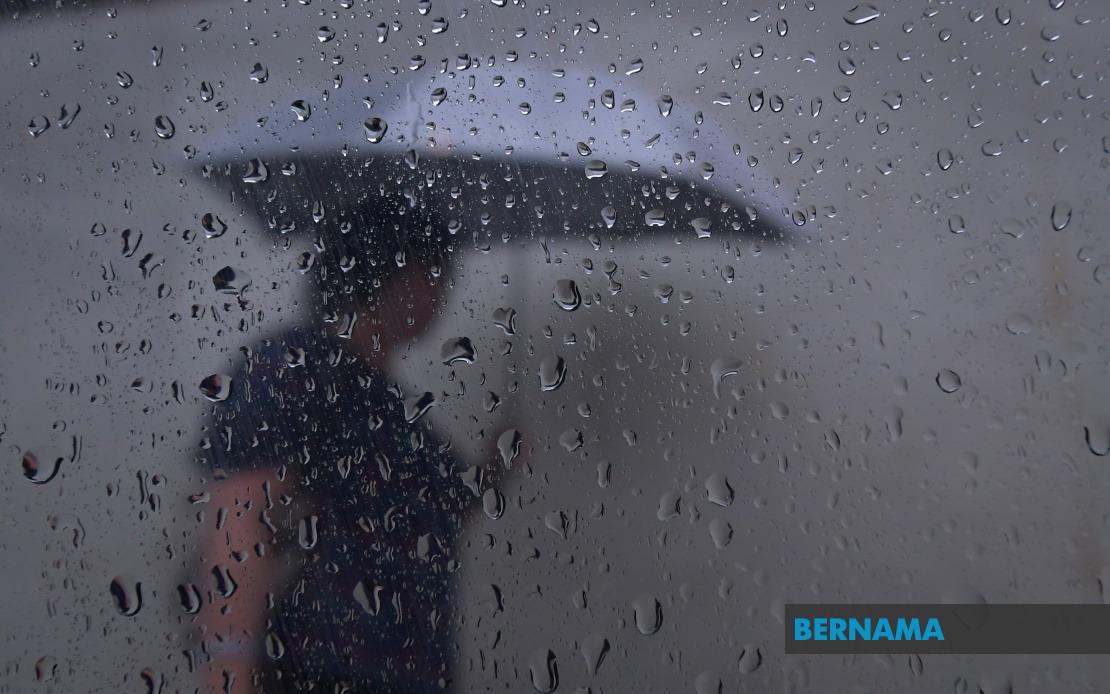
The Johor Meteorological Department has issued a weather advisory for early voters heading to the polls on July 7, warning that four districts will experience morning precipitation that could affect turnout and voting logistics. Azlai Ta'at, director of MetMalaysia's Johor office, identified Batu Pahat, Muar, Pontian, and Tangkak as areas most likely to see showers during the critical early voting window, a development that carries practical implications for the state's 16th electoral exercise.
In contrast, other parts of the state are anticipated to enjoy clearer conditions during the morning hours. Johor Bahru, Segamat, Kluang, Kota Tinggi, Mersing, and Kulai are forecast to remain fine and sunny in the early part of the day, creating a patchwork of voting conditions across the peninsula's southernmost state. However, this respite is temporary, as the meteorological outlook turns decidedly more unsettled as afternoon approaches.
Across all 14 districts in Johor, thunderstorms are expected to develop and intensify during the afternoon and evening hours, regardless of morning conditions. This deteriorating weather pattern necessitates careful planning for both voters and election administrators, who must navigate the challenges of managing polling stations and equipment amid potentially heavy rain and electrical activity. The forecast essentially creates a narrow window of optimal voting conditions during the morning hours, particularly for those in the sunnier districts.
Recognising the weather constraints, Azlai explicitly advised early voters to prioritise casting their ballots during daylight hours and in the morning when possible, to help facilitate a smooth electoral process. This public guidance underscores how weather forecasting intersects with electoral logistics in Malaysia, where both security forces and civilians depend on favourable conditions to exercise their democratic rights. The recommendation reflects standard precautions taken during monsoon seasons and periods of heightened convective activity in the region.
Early voting in the Johor 16th state election encompasses a significant demographic segment of the electorate. Approximately 24,751 early voters are scheduled to participate, representing military personnel, their spouses, police officers, General Operations Force members, and their families—constituencies whose work commitments necessitate voting arrangements outside the main polling day. The Malaysian Armed Forces contingent accounts for 12,041 of these early voters, while the remaining 12,710 represent personnel from the Royal Malaysia Police and General Operations Force, along with their respective spouses.
Sixty-four early voting stations have been established statewide to accommodate this advance voting segment, with operations commencing at 8:00 am across all locations. Closing times for these centres vary depending on local circumstances and voter registration numbers, with operations concluding between noon and 6:00 pm. This staggered closure approach reflects efforts to balance electoral security protocols with operational efficiency, ensuring adequate supervision while accommodating the volume of early voters in different localities.
The early voting process represents only the opening phase of a larger electoral engagement in Johor. The state's 16th election will ultimately determine representation across 56 state assembly seats, with 172 candidates competing for these positions. The broader electorate comprises 2,727,926 registered voters, substantially larger than the early voting cohort, who will cast their ballots on the scheduled election day this Saturday across 1,140 polling centres distributed throughout the state.
The timing and weather forecast for early voting carries broader implications for overall turnout and participation patterns in this significant state election. Early voting typically involves citizens whose occupational commitments—particularly in the security and defence sectors—demand special arrangements, and these voters often demonstrate higher engagement levels than the general population. The prospect of adverse weather conditions during the early voting window could marginally affect participation among this already-committed segment, though the morning sunshine forecast for several districts may help mitigate these concerns.
From an electoral administration standpoint, the weather forecast necessitates contingency planning by the Election Commission and its personnel managing early voting stations. Provisions for protecting voting materials, ensuring adequate shelter and facilities for voters, and maintaining security protocols during wet weather conditions all require advance coordination and resource deployment. The staggered closing times already built into the early voting schedule provide some flexibility to accommodate weather-related delays, though administrators will need to remain vigilant about maintaining voting procedure integrity despite challenging atmospheric conditions.
The convergence of military and police personnel early voting within a compressed timeframe and across a distributed network of stations, combined with adverse weather forecasts, exemplifies the complex logistical choreography required to conduct elections in Malaysia. These exercises stress-test electoral systems and demonstrate the country's institutional capacity to manage democratic processes despite environmental and operational challenges. The successful execution of early voting, particularly under weather constraints, sets the tone for the main election day and reflects overall electoral preparedness within Johor's administration.
As voters prepare for their participation in the state election, whether through early voting or on election day proper, the weather advisory serves as a practical reminder of the environmental factors that shape voting behaviour and electoral logistics. Johor residents in affected districts are advised to plan their early voting trips accordingly, checking local forecasts and considering morning voting times to avoid afternoon thunderstorms. This coordination between meteorological services and electoral authorities represents a routine but essential aspect of maintaining democratic processes in Malaysia's tropical climate.

