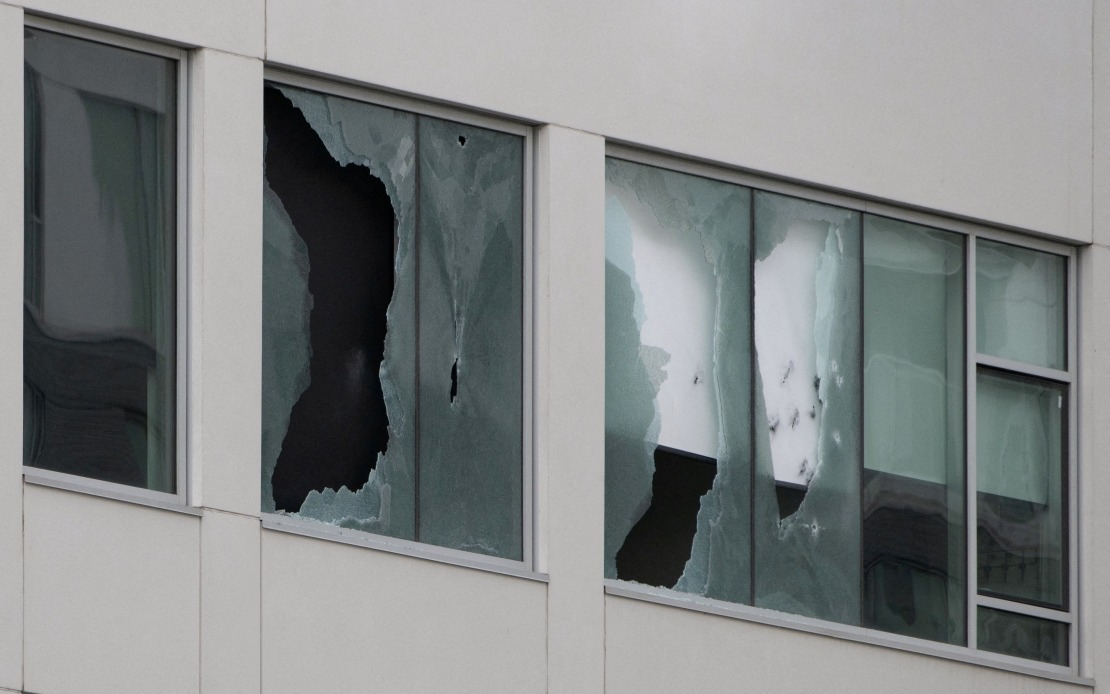
A fatal shooting in Montreal on Monday has claimed the lives of three people, including a member of the Quebec metropolis's police force, according to authorities. The incident unfolded in the Côte-des-Neiges district, triggering a major emergency response and leaving the community shaken. Montreal police confirmed the death of the officer through a statement posted on social media platform X, describing it as occurring while the individual was performing their duties. The force expressed profound sadness at the loss without immediately providing additional specifics.
Beyond the police fatality, authorities confirmed that a civilian resident also lost their life in the violence, while the person believed to be responsible for the shooting was neutralised at the scene. The sequence of events saw emergency services responding to reports of an armed suspect, with officers coming under fire upon their arrival. Montreal police chief Fady Dagher indicated to reporters that the response involved officers exchanging gunfire with the assailant. The decision to use lethal force resulted in the suspect being taken down, though investigators have since described the attacker as acting in isolation with no indication of additional perpetrators involved in the incident.
Two additional people sustained injuries during the shooting, one of whom was a police officer. The wounded officer's condition improved significantly in the hours following the incident, with a police spokesman confirming that the individual was no longer facing life-threatening injuries. The second injured person's identity and current status received less public attention from authorities in their initial statements. Emergency services maintained heightened alert status throughout the Côte-des-Neiges area as the situation developed, with residents in the neighbourhood being instructed to remain indoors and secure their residences as a precautionary measure while the confrontation was ongoing.
Security officials have ruled out any connection to terrorism, a determination made relatively swiftly following the incident. This assessment suggests that investigators found no evidence linking the shooting to organised extremist groups or ideologically motivated terror networks. The decision to exclude terrorism from consideration appears to have been based on preliminary findings and the profile of the suspected shooter, though the exact reasoning behind this conclusion has not been fully detailed in public statements. The absence of a terrorist dimension represents a significant finding for law enforcement agencies seeking to understand the nature and motivation behind such incidents.
According to several media outlets covering the story, preliminary investigations have indicated that the individual responsible for the shooting may have authored a manifesto containing language associated with the incel movement, a loosely organised online community centred on anti-feminist ideology and resentment toward women. The incel movement, which stands for "involuntary celibate," has become increasingly scrutinised by law enforcement and researchers following connections to several violent incidents across North America and elsewhere. Manifestos authored by perpetrators of mass violence have occasionally referenced incel rhetoric and grievances. However, security authorities have not yet officially confirmed whether such a document existed in this case or what specific content it may have contained.
The manifesto claims, if substantiated, would add an important dimension to understanding the shooting's underlying motivations. The incel community, which operates primarily through online forums and social media platforms, promotes narratives that attribute romantic and sexual failure to societal factors and women's agency rather than examining individual responsibility. Members often discuss resentment and harbour misogynistic views that can, in extreme cases, escalate into real-world violence. The connection between online radicalisation within such communities and violent outcomes has been the subject of increasing academic study and policy discussion among law enforcement and technology companies seeking to identify and mitigate risk factors.
For Malaysian readers, this incident underscores ongoing concerns about online radicalisation and the spillover of fringe internet movements into physical violence. Malaysia, like many Southeast Asian nations, has grappled with its own challenges related to online extremism, though the specific manifestation of incel ideology remains less prominent than in North American contexts. Nevertheless, the interconnected nature of the internet means that Malaysian citizens, particularly young men, may be exposed to similar ideological content and narratives. The Montreal shooting serves as a cautionary example of how marginalised online communities can contribute to real-world harm when individuals internalise hostile ideology.
Police investigations into the Montreal shooting remain active despite the incident's immediate resolution. The emergency alert issued to residents of the Côte-des-Neiges neighbourhood was lifted once the immediate threat was neutralised, allowing normal activities to resume in the area. However, investigators continue gathering evidence, conducting interviews, and piecing together the sequence of events that led to the confrontation. Authorities have emphasised that they believe the shooter acted alone and that no additional suspects remain at large, which would reduce the ongoing security concern for the general public.
The incident highlights the challenges Canadian law enforcement faces in addressing sudden eruptions of violence within urban environments. Montreal's police force, like many departments across North America, has increased focus on rapid response protocols and officer safety in active shooter situations. The fact that officers came under fire upon arrival suggests a volatile confrontation rather than a barricaded individual scenario. The successful neutralisation of the threat, despite the tragic loss of police life and civilian casualties, reflects both the dangers inherent in such interventions and the training officers undergo to manage these unpredictable situations.
The loss of a police officer in the line of duty resonates deeply within law enforcement communities across North America and internationally. Canada has experienced relatively low rates of officer fatalities compared to some other developed nations, making each such incident particularly impactful on force morale and public discourse around police safety. The Montreal police department and the broader Quebec law enforcement community would be examining the circumstances surrounding the officer's death to identify any lessons for future operations and officer protection strategies.