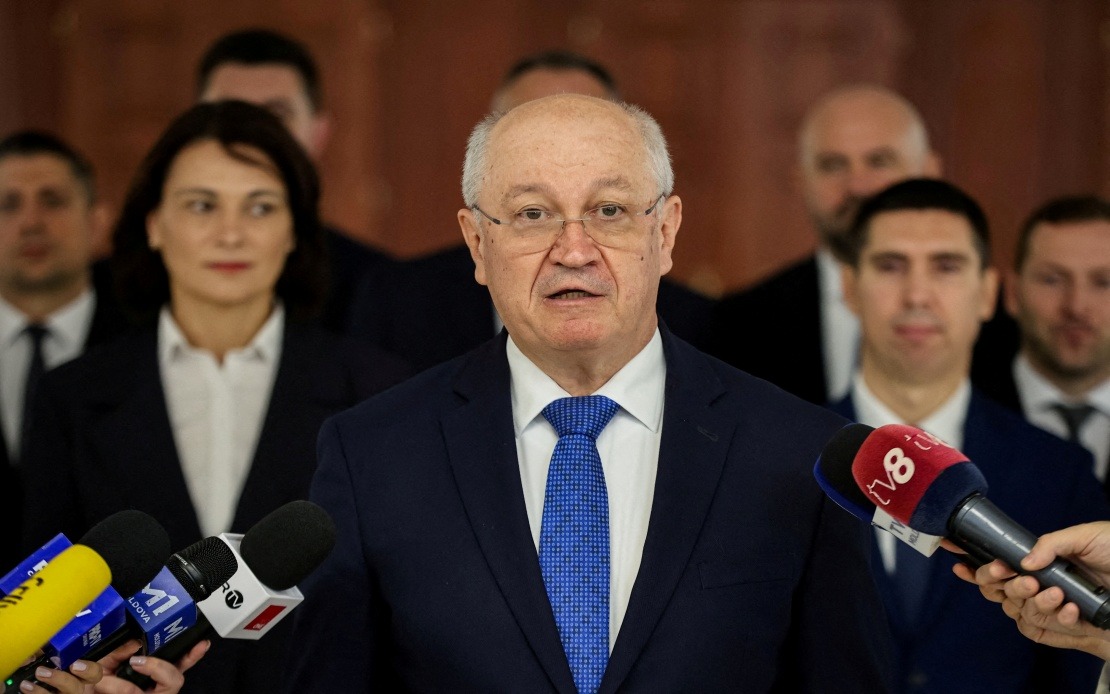
Alexandru Munteanu stepped down as Moldova's Prime Minister on Friday, bringing to an abrupt end his tenure in the country's top executive position. The announcement, delivered through a post on the social media platform X, marks a significant political development in the Eastern European nation, which has been navigating complex geopolitical pressures and domestic reform challenges.
Munteanu had assumed the role of Prime Minister in November 2025, making his resignation come after just over eight months in office. His decision to vacate the position comes at a time when Moldova continues to pursue European Union membership and grapples with questions about democratic governance and institutional strengthening. The departure signals potential instability in the government's agenda and raises questions about internal disagreements within the executive branch.
The Prime Minister's departure statement was notably sparse on specific details about his reasons for stepping down. In his public statement, he simply noted that the moment he realised he could no longer execute his mandate "in accordance with my principles and convictions", he made the decision to resign. This language suggests a principled disagreement rather than personal circumstance, though he declined to elaborate on the nature of this conflict.
For regional observers and international partners, particularly the European Union which Moldova actively seeks to join, such sudden resignations raise questions about governmental stability and the functioning of democratic institutions. Moldova has faced considerable scrutiny regarding corruption, oligarchic influence, and the rule of law – areas where executive consistency matters significantly for EU accession prospects. A Prime Minister's departure over matters of principle, without transparent explanation to the public, complicates the narrative of institutional maturity that Chisinau seeks to project.
The vagueness surrounding Munteanu's resignation invites speculation about potential fault lines within Moldova's government. It could reflect disagreements over policy direction, pressure from political allies, or clashes with President Maia Sandu's office over the pace or scope of reforms. Moldova's political landscape remains fractious, with competing interests between pro-European and pro-Russian factions creating persistent tension in decision-making at the highest levels.
Munteanu's exit also occurs within a broader context of Moldova's struggle against transnational crime and money laundering, issues that have repeatedly triggered government reshuffles and compromised institutional credibility internationally. Whether his resignation relates to these ongoing challenges or other matters remains unclear, but the opaque nature of his departure does little to enhance public confidence in institutional transparency.
For Malaysia and other Southeast Asian nations watching Moldova's democratic trajectory, the resignation underscores the challenges faced by smaller nations attempting simultaneous integration into major international blocs while managing internal political complexities. Like some Southeast Asian governments, Moldova must balance reform expectations from international partners against domestic political realities and competing power centers.
The immediate practical concern is the succession question: who will assume the Prime Minister's duties and whether that person will command sufficient parliamentary support to advance the government's agenda. In Moldova's parliamentary system, the formation of new governments often involves protracted negotiations and can lead to extended periods of reduced executive capacity.
Munteanu's departure also arrives as Moldova prepares for continued EU engagement, with the bloc maintaining conditional support for Chisinau's aspirations based on governance improvements. This resignation, unexplained to the public, may complicate Brussels' confidence assessments and could potentially affect the timing or structure of future aid disbursements or accession benchmarks.
The incident highlights broader questions about executive accountability and public communication in small European democracies facing significant geopolitical pressure. When senior officials depart citing principles but offer limited public explanation, it creates a vacuum filled by speculation and conspiracy theories, ultimately undermining the institutional legitimacy that Moldova desperately needs as it repositions itself westward. The coming days will reveal whether additional clarity emerges or whether this resignation remains as cryptic as its announcement suggests.

