Malaysia's Foreign Minister Datuk Seri Mohamad Hasan is set to represent the nation at a specially convened meeting of the Organisation of Islamic Cooperation's Council of Foreign Ministers in Jeddah, where delegates will examine recent developments affecting Palestine and regional stability. The extraordinary gathering, which brings together diplomatic representatives from across the Muslim world, underscores the persistent international concern over escalating tensions in the Middle East and the humanitarian toll on Palestinian populations.
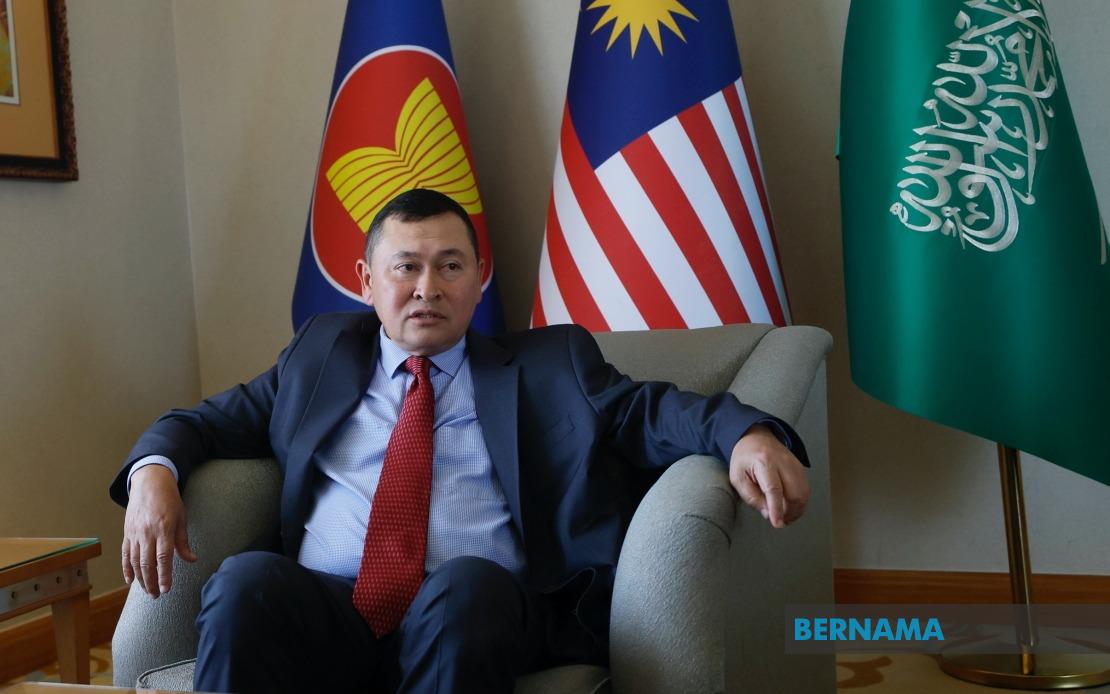
According to Datuk Syed Bakri Syed Abdul Rahman, Malaysia's Ambassador to Saudi Arabia and permanent representative to the OIC, the single-day session will build upon earlier diplomatic efforts to forge consensus among member nations. These ongoing discussions have sought to establish unified messaging regarding the Palestinian cause, enabling OIC states to present coordinated strategies and policy responses to major powers and international institutions. Such diplomatic coordination remains crucial in multilateral forums where fragmented voices diminish the collective influence of individual nations.
During his address to the assembly, Mohamad will formally present Malaysia's National Statement, which will emphasise Kuala Lumpur's consistent and principled position on Palestinian rights and self-determination. The statement will reaffirm Malaysia's recognition of the Palestinian people's legitimate aspirations to establish a fully independent and sovereign state within the territorial boundaries that existed prior to the 1967 conflict. This framing, rooted in international legal precedent and UN resolutions, reflects Malaysia's long-standing diplomatic approach to the question of Palestine.
The Foreign Minister's remarks will also address the broader spectrum of Israeli military activities and their impact on Palestinian civilians and infrastructure. Particular emphasis will be placed on the severe humanitarian consequences within Gaza, where prolonged conflict has created acute shortages of food, medicine, and essential services affecting vulnerable populations including women and children. The presentation will further highlight the situation in the West Bank, where ongoing military operations and civilian casualties continue to generate international concern among human rights organisations and UN bodies.
An additional focal point of Malaysia's intervention at the meeting will concern the expansion of Israeli settlements in occupied Palestinian territories, which most countries and international law experts view as illegal under the Geneva Conventions and UN Security Council resolutions. Malaysia will advocate for the international community, particularly the fifty-seven OIC member states representing nearly two billion Muslims globally, to pursue more substantive and measurable actions to halt settlement activities and protect Palestinian rights to their ancestral lands.
Syed Bakri emphasised that Malaysia's active participation in this extraordinary session carries strategic importance, enabling the nation to articulate its firm stance against what Kuala Lumpur characterises as Israeli aggression and violations of international humanitarian law. By attending such high-level meetings and contributing meaningfully to discussions, Malaysia reinforces its credentials as a principled voice within the Islamic world and the broader Non-Aligned Movement, positioning itself as a nation that translates rhetoric into consistent diplomatic action.
Beyond political positioning, the Malaysian government has underscored its commitment to providing concrete humanitarian assistance to Palestinians affected by the conflict. Syed Bakri reiterated that Malaysia remains dedicated to channelling aid and resources to affected communities, working alongside international organisations to ensure that humanitarian assistance successfully reaches those most in need. This commitment reflects Malaysia's broader regional identity as a nation deeply invested in the welfare of Muslim populations worldwide.
The Jeddah meeting will serve as a critical platform enabling OIC states to align their diplomatic strategies and discuss collective responses to Middle Eastern developments. Through such coordination mechanisms, smaller and medium-sized nations can amplify their influence on global affairs and ensure that Islamic interests receive appropriate consideration in international discourse. Malaysia, as a significant OIC member with growing economic and diplomatic clout in the region, stands to benefit from this coordinating role while simultaneously advancing the Palestinian cause.
Beyond the primary agenda focused on Palestine, delegates will address the election of a new OIC secretary-general, a position of considerable importance in determining the organisation's institutional direction and advocacy priorities over the coming years. The meeting is expected to conclude with the adoption of a comprehensive resolution addressing the Palestinian question and Al-Quds Al-Sharif, which will formally condemn Israeli military actions and promote coordinated action among member states. Such resolutions, while non-binding, carry significant moral and political weight within the Islamic world and signal to international audiences the unified position of OIC nations.
On the sidelines of the formal proceedings, Mohamad will engage in bilateral discussions with his counterparts from various nations, transforming the meeting into a broader diplomatic forum. These individual conversations will explore pathways for strengthening bilateral relations, identifying mutual interests in commerce, trade, and investment cooperation. For Malaysia, such encounters offer opportunities to advance economic partnerships while reinforcing its diplomatic relationships with fellow OIC members and key regional players.
The timing and substance of this extraordinary meeting reflect ongoing regional turbulence and the persistent salience of the Palestinian issue within Islamic diplomacy. Malaysia's prominent role in the delegation highlights Kuala Lumpur's commitment to leveraging its OIC membership as a platform for advancing its foreign policy objectives and supporting causes it views as fundamentally important to regional stability and justice.

