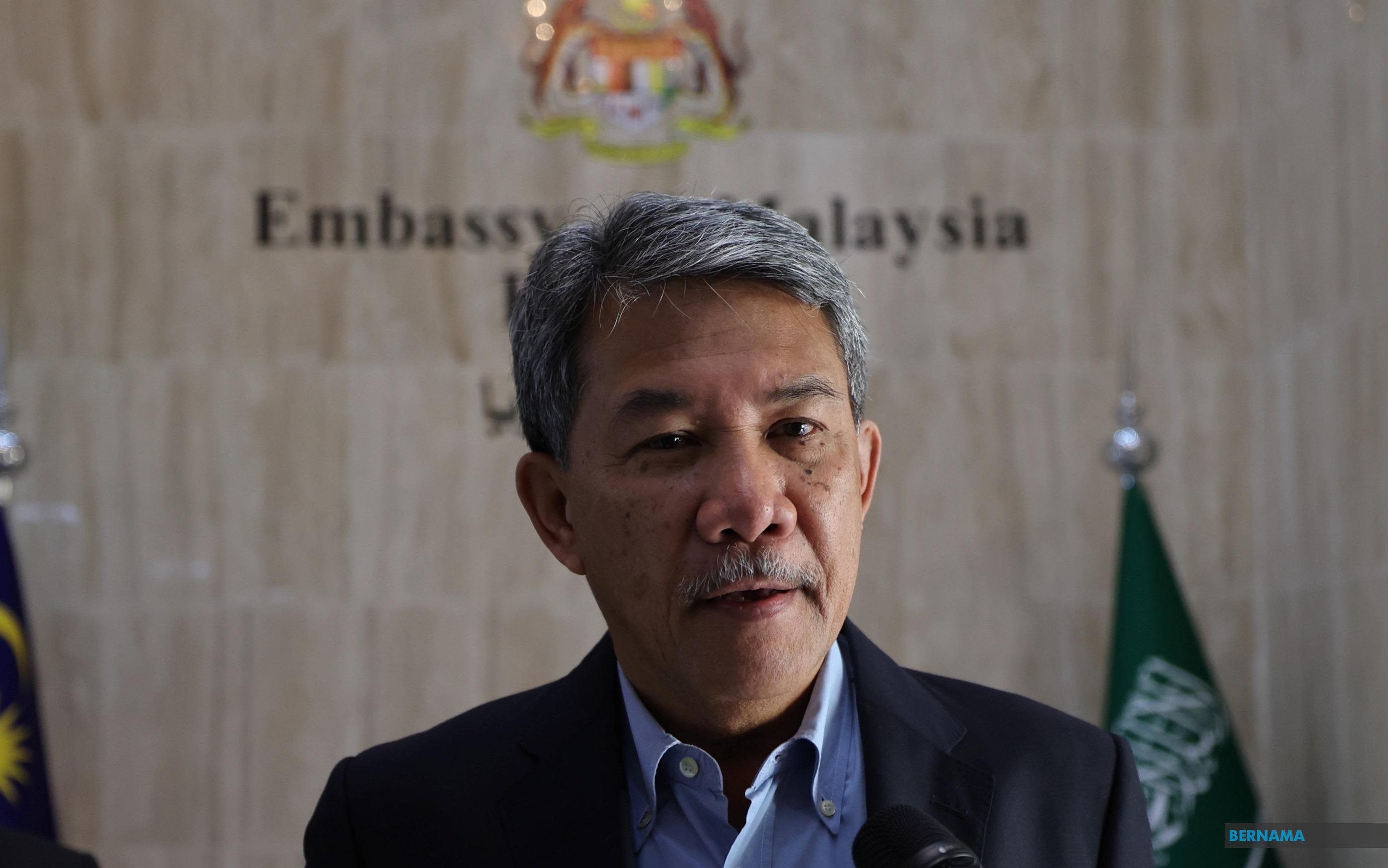
Foreign Minister Datuk Seri Mohamad Hasan has embarked on a three-day working visit to Brunei, marking another chapter in the two nations' ongoing diplomatic engagement. The visit, which commenced on August 20 and runs through August 22, represents a significant moment for addressing shared challenges and exploring fresh avenues for regional cooperation between Malaysia and its smaller neighbour across the South China Sea.
Two major bilateral mechanisms will dominate the minister's schedule. On August 21, Mohamad Hasan will co-chair the 27th Malaysia-Brunei Exchange of Letters Implementation Meeting alongside Brunei's Second Minister of Foreign Affairs, Datuk Seri Setia Erywan Mohd Yusof. The following day, August 22, will see the 27th Malaysia-Brunei Annual Leaders' Consultation take place, providing an opportunity for strategic dialogue on matters of mutual concern.
The Exchange of Letters meeting serves as a crucial institutional framework for the two countries to methodically resolve lingering issues and identify emerging opportunities for partnership. This annual mechanism has evolved into a comprehensive platform where officials evaluate the implementation status of agreements brokered by leaders during the previous year's consultations. In this context, both ministers are positioned to assess how effectively Malaysia and Brunei have progressed on commitments made during ALC-26 last year, ensuring continuity and accountability in bilateral relations.
Among the substantive matters expected to feature prominently in discussions are the perennial issues of land and maritime boundaries. These territorial considerations have long occupied diplomatic attention between Malaysia and Brunei, requiring patient, technical dialogue and good-faith engagement from both sides. The bilateral framework provides a structured environment for experts and officials to advance discussions on these sensitive matters, which carry implications not only for the two nations but for broader regional stability and the integrity of international maritime law in Southeast Asia.
Economic cooperation represents another pillar of the bilateral relationship that will receive attention during these meetings. Trade data reveals the scope of commercial activity between the two neighbours: in 2025, total bilateral trade reached RM5.86 billion, equivalent to USD 1.37 billion. More recent figures from the first half of 2026 show RM2.38 billion in trade, equivalent to USD 0.6 billion, suggesting a robust commercial relationship that continues to benefit businesses and consumers on both sides of the border.
For Malaysia, Brunei represents an important trading partner within Southeast Asia, offering opportunities in energy, manufactured goods, and services. Brunei's strategic position along key maritime routes and its economic resources make deepening bilateral trade ties a priority for Malaysian policymakers seeking to expand regional economic integration. The visit provides an occasion to identify specific sectors where Malaysia and Brunei can accelerate commercial activity and deepen value chains, potentially benefiting both economies amid broader regional supply chain developments.
The timing of this working visit underscores the importance both governments place on maintaining active, high-level diplomatic contact. In an era when regional dynamics are shifting rapidly and various powers seek expanded influence in Southeast Asia, bilateral relationships between neighbouring nations remain anchors of stability and predictability. Malaysia and Brunei, as fellow ASEAN members with shared history and geographic proximity, have particular incentives to maintain robust institutional dialogue mechanisms.
The Annual Leaders' Consultation scheduled for August 22 will likely build upon the groundwork established during the EOL meeting. This senior-level platform traditionally allows leaders to take stock of bilateral relations at a strategic level, considering not only immediate cooperation issues but also longer-term positioning within regional architecture. For Malaysian officials, such consultations provide opportunity to reinforce Malaysia's commitment to respecting Brunei's sovereignty and addressing their concerns through dialogue and cooperation.
From a Malaysian perspective, the visit demonstrates active engagement in the immediate neighbourhood, a key pillar of Malaysia's foreign policy strategy. Maintaining strong ties with immediate neighbours like Brunei contributes to broader regional cohesion and provides platforms for addressing transnational challenges ranging from maritime security to environmental protection. The bilateral relationship also serves as a microcosm for how Southeast Asian nations can work together cooperatively despite differences, offering lessons applicable to ASEAN's broader consensus-seeking approach.
The meetings also reflect practical recognition that unresolved boundary issues and trade friction can fester if not regularly addressed through structured dialogue. By maintaining these institutional mechanisms, Malaysia and Brunei create space for professional diplomats and technical experts to work methodically toward solutions that respect both nations' interests and international law. This approach contrasts sharply with more confrontational regional dynamics elsewhere, highlighting ASEAN's traditional emphasis on dialogue and non-interference.

