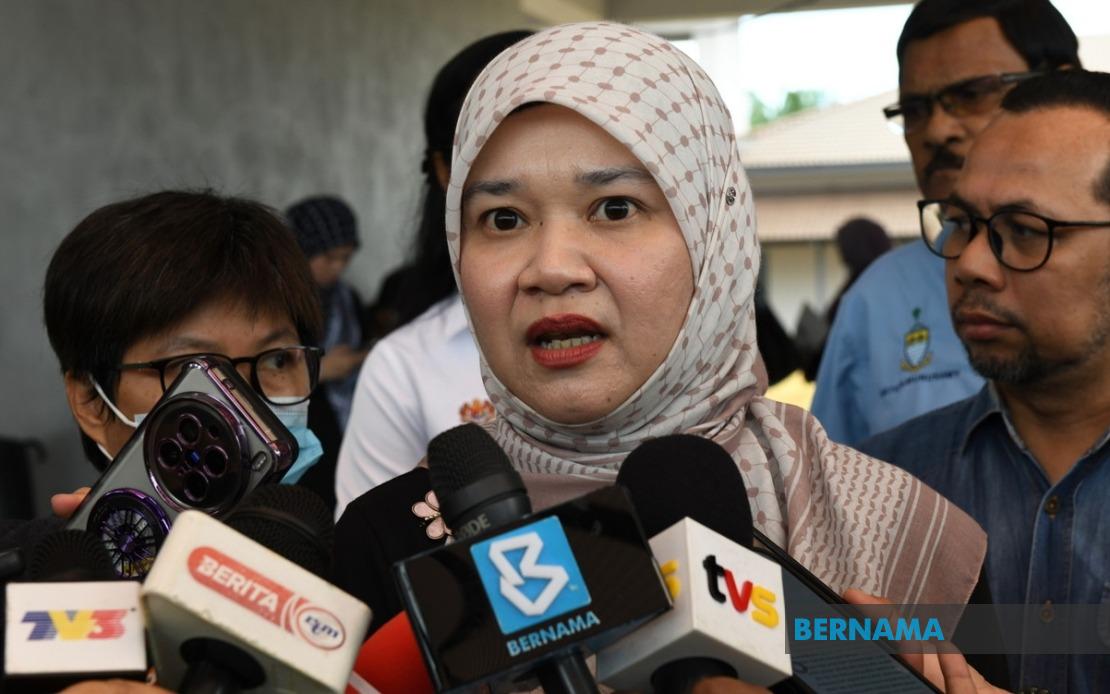
The Ministry of Education has mobilized its administrative machinery to swiftly conclude an internal investigation following the death of a student at a Kuala Lumpur school. Education Minister Fadhlina Sidek has instructed the Schools Inspectorate, District Education Office, and the Federal Territory of Kuala Lumpur Education Department to expedite their inquiries, signalling the government's determination to resolve the matter without delay and provide answers to the bereaved family and concerned public.
In an official statement released on August 20, Fadhlina underscored that allegations touching on sensitive issues—particularly those involving bullying, discrimination, and potential racial dimensions—demand rigorous scrutiny grounded in factual evidence and proper legal procedure. Her language reflected the gravity with which the Ministry is treating the incident, acknowledging both the immediate tragedy and the broader anxieties it has sparked within Malaysia's education system and society at large.
The minister extended formal condolences to the student's family and the entire school community, emphasizing the MOE's commitment to providing comprehensive support during what is clearly a traumatic period. Beyond rhetorical acknowledgement, the ministry has taken concrete steps to engage multiple government agencies in coordinating a thorough response. The MOE is working in lockstep with Malaysia's police force, the Social Welfare Department, and the Ministry of Health, creating an inter-agency framework designed to leave no stone unturned in investigating the circumstances surrounding the death.
Critical to the ministry's response has been the deployment of psychosocial intervention services across multiple stakeholder groups. The deceased student's family has been assigned a dedicated MOE counselling team to help navigate their grief and trauma, a recognition that such tragedies leave deep emotional scars that require professional clinical attention. Teachers at the school have been briefed on the investigation's progress and the legal processes unfolding, ensuring they understand their role in supporting students while remaining apprised of developments that may affect their workplace environment.
The MOE has also activated its Smart Support Team, a specialized unit tasked with providing crisis intervention and psychosocial counselling to students across the affected school. This intervention goes beyond simple reassurance; it addresses the genuine psychological distress that witnessing or learning of a peer's death can inflict on young people, who may experience guilt, anxiety, or trauma in ways that jeopardise their academic engagement and emotional development. By mobilizing this team, the ministry is attempting to mitigate secondary harm while investigations proceed.
Fadhlina's statement emphasized the MOE's dual commitment to securing justice and creating a safer educational environment. The invocation of justice signals that the ministry does not view this merely as a tragedy to be managed but as a matter requiring accountability if negligence, misconduct, or institutional failure can be established. Simultaneously, her assertion that schools must remain free from bullying and discrimination reflects broader policy concerns within Malaysia's education sector, where incidents of bullying—sometimes with racial or religious dimensions—have periodically triggered public outcry.
For Malaysian readers and Southeast Asian observers, this case resonates within a regional context where student welfare in schools has become an increasingly scrutinized issue. Countries across the region have grappled with questions about school safety, the adequacy of anti-bullying policies, and institutional accountability when students suffer harm. The swift governmental response here may be read as an attempt to demonstrate responsiveness to public concern while also managing potential reputational damage to Malaysia's education system.
The mention of "racial elements" in the minister's remarks suggests that preliminary concerns or public speculation may have touched on communal sensitivities—a particularly delicate matter in Malaysia's multi-ethnic society. By pledging to examine facts "based on due processes," Fadhlina appears intent on separating verified evidence from speculation or rumour, a necessary precaution given how swiftly such incidents can inflame online discourse and community sentiment.
The decision to complete the internal investigation promptly reflects both procedural diligence and political pragmatism. Families and the public alike expect answers, and protracted investigations risk fuelling conspiracy theories or community division. However, rushing judgment without thorough inquiry would compromise the integrity of findings and potentially obstruct any criminal investigation the police may be conducting. The MOE's challenge lies in threading this needle—moving expeditiously while maintaining rigor.
Looking ahead, this case will likely prompt policy discussions within Malaysia's education sector regarding the adequacy of existing safeguarding mechanisms, the training and resources available to schools to prevent and respond to bullying, and the clarity of reporting pathways when students are at risk. Whether the investigation uncovers systemic failings or tragic but unforeseeable circumstances, the incident has already catalyzed heightened attention to student welfare—potentially yielding institutional improvements that extend beyond the immediate case.

